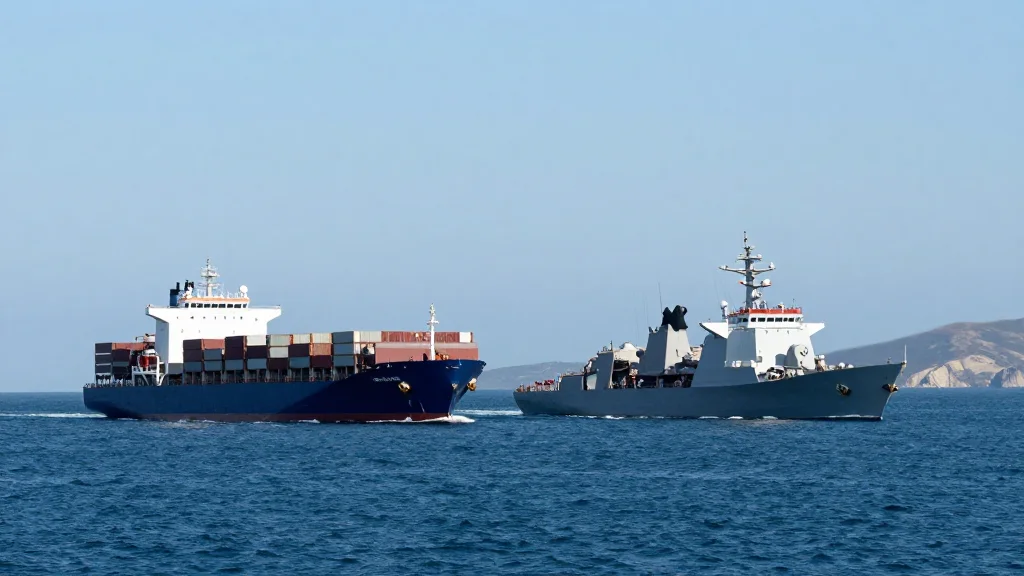
Iran Military Says It Will Block Red Sea if US Blockade of Hormuz Continues
Why It Matters
A broader closure could choke key global shipping lanes, driving up freight costs and destabilizing oil markets worldwide.
Key Takeaways
- •Iran threatens to close Red Sea, Gulf, Oman if blockade persists
- •US naval blockade began April 13 after failed Pakistan talks
- •Iranian vessels continued sailing through Hormuz despite blockade
- •Major‑General Ali Abdollahi warned of decisive action to protect sovereignty
Pulse Analysis
The United States' decision to impose a naval blockade on Iranian ports on April 13 marks the latest escalation in a dispute that has lingered since the 2020‑2021 tensions over Iran's nuclear program. By sealing off the Strait of Hormuz, the world’s narrowest chokepoint for Persian‑Gulf oil, Washington aims to pressure Tehran into a diplomatic settlement. Iran’s military, however, framed the move as an infringement on its sovereign right to trade, warning that continued pressure could trigger a broader maritime response that would extend beyond the Gulf to the Red Sea and the Sea of Oman.
Shipping companies are already recalibrating routes as insurers raise premiums for vessels transiting the Hormuz corridor. A potential Iranian closure of the Red Sea would disrupt the Suez Canal supply chain, adding billions of dollars in detour costs and forcing oil tankers to reroute around the Cape of Good Hope. Such a shift could tighten global crude inventories, lift Brent and WTI prices, and strain the already volatile energy markets. Moreover, the threat raises the specter of naval confrontations that could endanger commercial traffic across three strategic waterways.
Policymakers in Washington and Tehran face a narrow window to de‑escalate before commercial interests force a broader conflict. Diplomatic channels, including back‑channel talks in Europe and the Gulf Cooperation Council, may offer a path to lift the blockade in exchange for verifiable limits on Iran’s regional activities. Meanwhile, multinational firms should diversify logistics, secure alternative freight corridors, and monitor real‑time maritime intelligence to mitigate supply‑chain shocks. The episode underscores how geopolitical brinkmanship can quickly translate into tangible cost pressures for global trade.
Iran military says it will block Red Sea if US blockade of Hormuz continues
Comments
Want to join the conversation?
Loading comments...