Pakistan Betrays Saudi, Boosts Iran’s Propaganda — Is Islamabad Playing A “Double Game” In the Gulf? OP-ED
Why It Matters
Pakistan’s ambivalent stance threatens its strategic partnership with Saudi Arabia and fuels Iranian influence across the Gulf, jeopardizing regional security and energy markets.
Key Takeaways
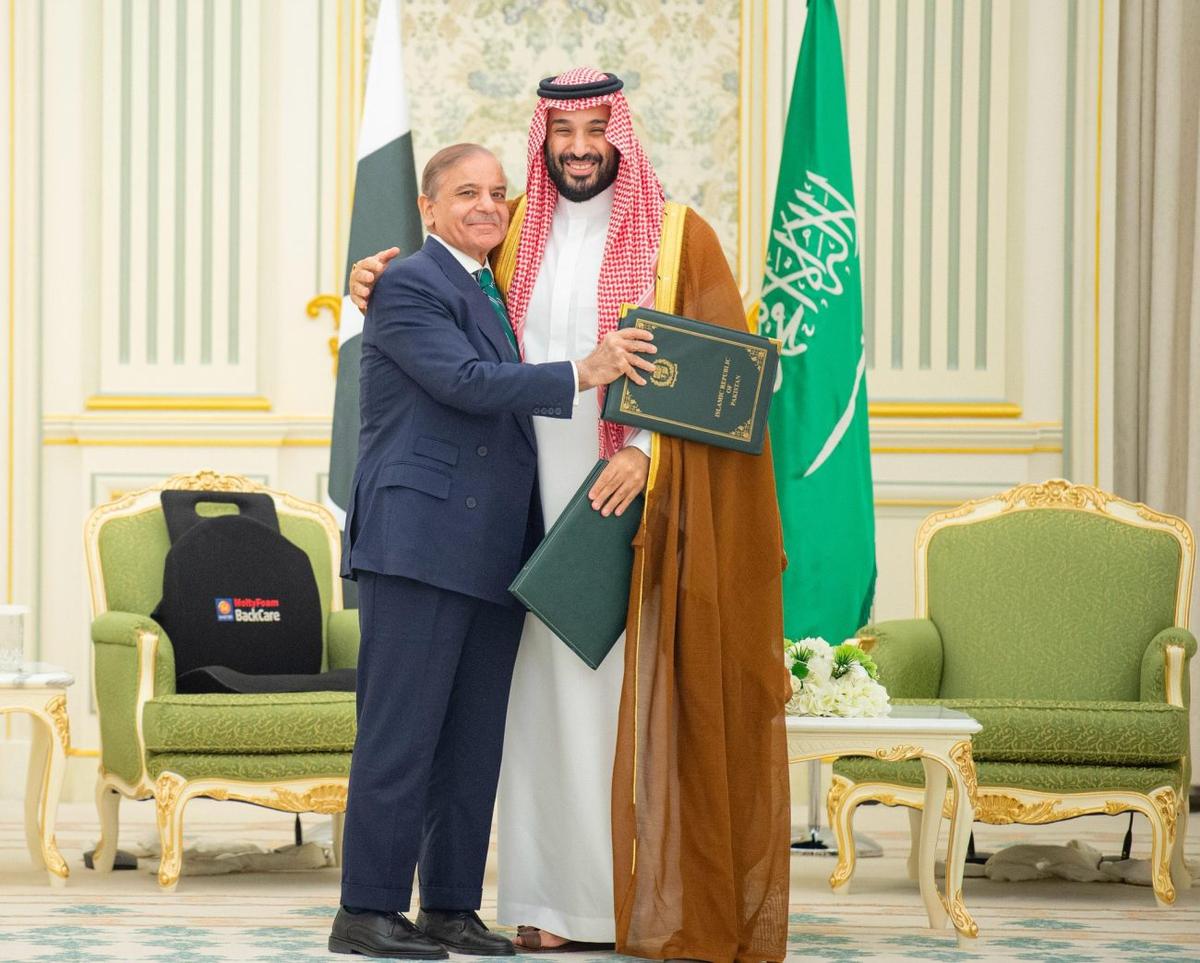
- •Pakistan signs Saudi defense pact, stays silent on Iran.
- •Pakistani networks spread AI‑generated Iranian propaganda in Gulf states.
- •Iran’s attacks on Gulf energy infrastructure raise security concerns.
- •US withdrawal fears could leave Gulf allies confronting Iran alone.
- •Qatar and UAE condemn Iran’s maritime threats, urge coordinated response.
Pulse Analysis
Pakistan’s long‑standing security relationship with Saudi Arabia has been tested by its muted response to Iran’s recent aggression. The 2024 Strategic Mutual Defense Agreement promised deeper military cooperation, yet Islamabad’s silence on Tehran’s missile and drone attacks raises questions about its strategic priorities. Economic ties—millions of Pakistani workers in the Kingdom and substantial remittances—provide a financial incentive to maintain goodwill with Riyadh, but political calculations appear to favor a more balanced, if ambiguous, stance toward Tehran.
Iran’s information warfare has evolved, leveraging AI‑generated video and social‑media bots to sow discord in Gulf societies. Investigations reveal Pakistan‑based operators recruiting locals across the UAE, Qatar, Bahrain, Kuwait and Saudi Arabia to amplify Tehran’s narratives. This covert propaganda undermines the credibility of Gulf governments, complicates counter‑terrorism efforts, and illustrates how digital tools can extend a state’s reach without conventional force. The blending of state‑sponsored disinformation with on‑the‑ground recruitment amplifies the threat to regional stability.
The broader geopolitical picture is equally fraught. U.S. policymakers are debating a reduced footprint in the Gulf, leaving Saudi Arabia, the UAE and Qatar to shoulder more of the security burden. Simultaneously, Iranian strikes on energy infrastructure and maritime routes threaten global oil supplies and international navigation. Together, these dynamics compel Gulf states to pursue a unified, multi‑domain response—combining diplomatic pressure, enhanced air‑defence systems, and coordinated counter‑propaganda initiatives—to deter Tehran’s destabilizing agenda before it reshapes the Middle‑East security architecture.


Comments
Want to join the conversation?
Loading comments...