Why It Matters
If implemented, Phase two could reshape the Israel‑Gaza dynamic, limiting Hamas’s leverage while opening a pathway to lasting regional stability.
Key Takeaways
- •Technocratic Palestinian authority to govern Gaza
- •International stabilization force to be deployed
- •Hamas disarmament central to plan
- •Gaza reconstruction linked to Israeli withdrawal
- •UN Security Council backs the peace initiative
Pulse Analysis
The United States’ renewed push for a Gaza peace framework arrives at a moment when diplomatic fatigue has set in after years of intermittent cease‑fires and humanitarian crises. By securing UN Security Council endorsement, the plan gains a veneer of multilateral legitimacy that previous U.S. initiatives lacked. This backing not only pressures regional actors to cooperate but also signals to global investors that a more predictable security environment may be on the horizon, encouraging cautious re‑engagement with the volatile market.
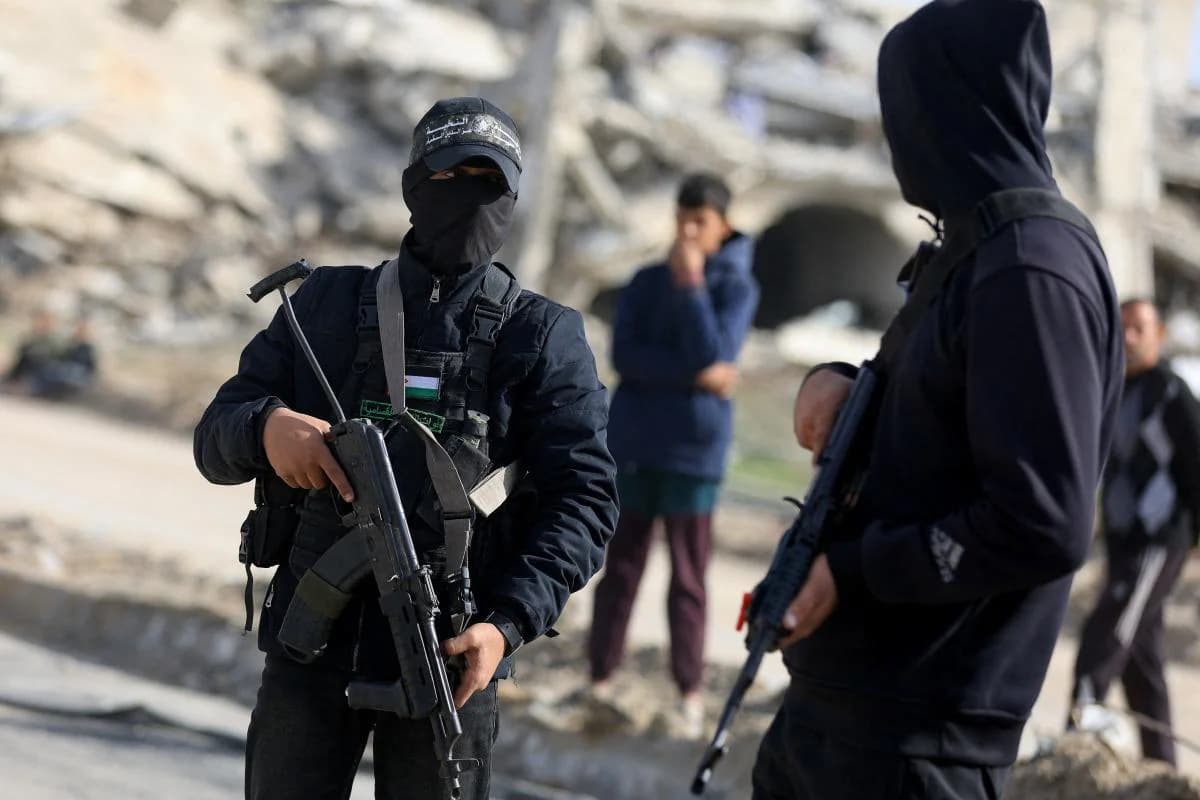
Phase two’s blueprint is ambitious: it envisions a technocratic Palestinian governing body insulated from partisan factions, an international stabilization force to monitor compliance, and a systematic disarmament of Hamas. Each element carries distinct challenges. The technocratic model must balance expertise with local acceptance, while the stabilization force will need clear rules of engagement to avoid becoming another flashpoint. Disarming Hamas, meanwhile, raises questions about enforcement mechanisms and the potential for power vacuums that could be exploited by extremist offshoots.
If the plan succeeds, Gaza could witness a wave of reconstruction projects funded by international donors, revitalizing its battered infrastructure and creating jobs for thousands of residents. The withdrawal of Israeli troops would further reduce friction points, potentially easing security concerns for both sides. Moreover, a functional, internationally supervised governance structure could serve as a template for conflict resolution in other contested regions, reinforcing the notion that strategic leverage—rather than perpetual warfare—can pave the way for sustainable peace.
Peace Through Leverage in Gaza


Comments
Want to join the conversation?
Loading comments...