Testing Shows Progress on Key Air Force Missiles and Bombs
Why It Matters
Clearing oversight and funding boosts high‑impact strike capabilities, while upgrades to AMRAAM and SDB II enhance lethality and flexibility across contested environments.
Key Takeaways
- •MOP bombs removed from oversight after successful combat use
- •ARRW hypersonic weapon receives $362M FY26 funding, production imminent
- •AMRAAM software upgrade extends range, improves missile performance
- •SDB II networked bomb gains operational use, needs cryptographic streamlining
- •Boeing contract restocks MOP inventory with $100M purchase
Pulse Analysis
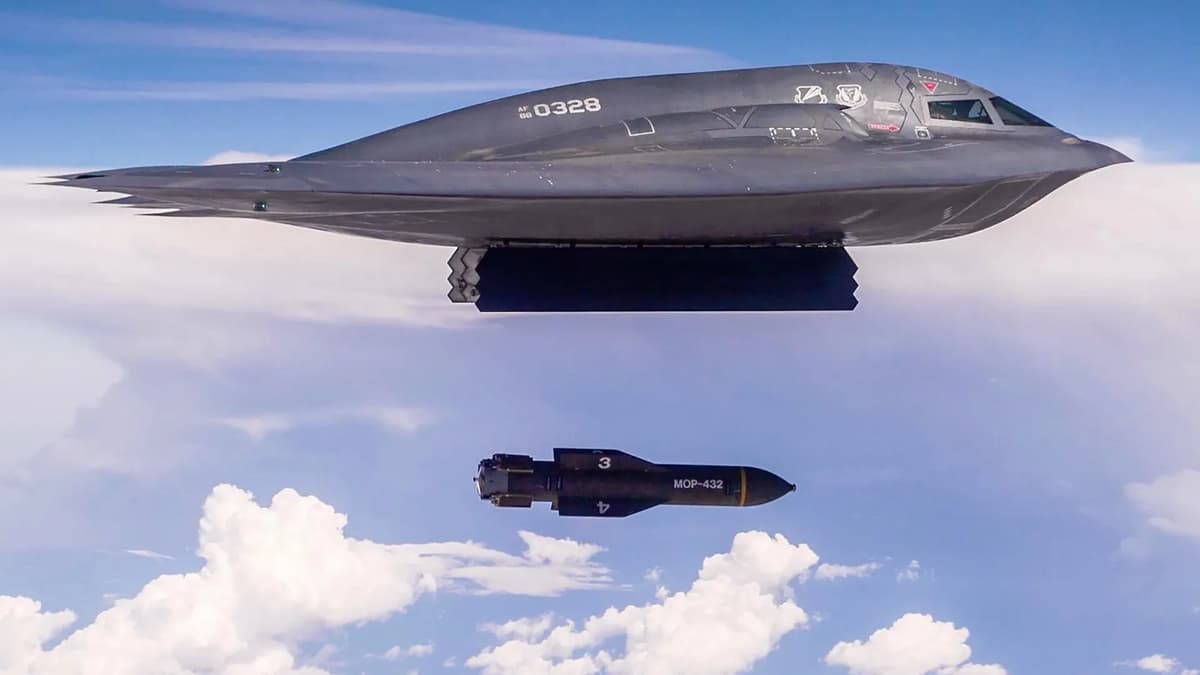
Recent testing data underscores a strategic pivot in the Air Force’s strike portfolio. The GBU‑57 Massive Ordnance Penetrator, a 30,000‑pound bunker‑busting bomb, proved its precision in Operation Midnight Hammer, prompting DOT&E to lift its oversight and clear the way for a $100 million restock with Boeing. This move not only validates the weapon’s combat readiness but also reflects a broader push to ensure deep‑strike assets remain readily available for emerging threats. By streamlining oversight, the service can accelerate procurement cycles and maintain a credible deterrent against hardened targets.
The AGM‑183A Air‑Launched Rapid Response Weapon, the Air Force’s flagship hypersonic program, received a fresh infusion of $362 million in the FY‑26 budget, clearing a path for the first production contract later this year. After a rocky testing history and earlier congressional skepticism, the ARRW’s revival signals renewed confidence in boost‑glide technology as a counter to peer competitors’ missile advances. Lockheed Martin’s involvement and the program’s integration with B‑52 platforms promise rapid fielding, potentially reshaping the United States’ ability to strike time‑critical targets at speeds exceeding Mach 5.
Legacy systems are also seeing transformative upgrades. A software refresh for the AIM‑120 AMRAAM has unlocked additional thrust and battery efficiency, extending its already formidable range and enhancing dogfight performance across F‑15, F‑16 and F‑22 fleets. Meanwhile, the GBU‑53/B Stormbreaker (SDB II) continues to mature as a network‑enabled, precision glide bomb capable of in‑flight retargeting and abort, though the DOT&E urges faster cryptographic certification and mitigation of F‑35 self‑lasing constraints to broaden platform compatibility. Together, these advances tighten the Air Force’s strike envelope, delivering greater flexibility and survivability in contested airspaces.


Comments
Want to join the conversation?
Loading comments...