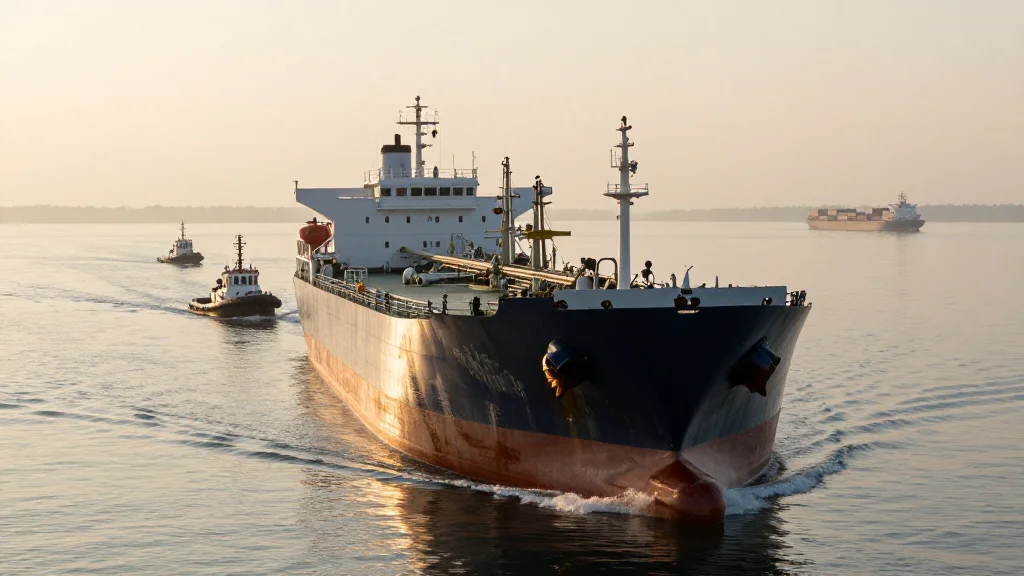
UK Will Not Back Blockade of Strait of Hormuz, PM Starmer Says
Why It Matters
The Strait of Hormuz carries roughly a third of global oil shipments, so the UK’s refusal to back a blockade helps preserve market stability and highlights split Western approaches to Iran.
Key Takeaways
- •UK refuses to support any Strait of Hormuz blockade
- •Starmer pledges minesweeper support to keep waterway open
- •US plans to block all traffic to Iranian ports
- •Trump threatens to intercept vessels paying Iran tolls
- •Divergent UK‑US strategies could affect global oil prices
Pulse Analysis
The Strait of Hormuz remains a chokepoint for world energy, funneling about 20 million barrels of oil daily. Recent U.S. moves to impose a blanket blockade on vessels bound for Iranian ports aim to pressure Tehran amid stalled war‑ending talks, but they also risk disrupting the broader flow of commerce. By contrast, Britain’s Prime Minister Keir Starmer publicly rejected any participation in such a blockade, underscoring a policy that prioritises freedom of navigation over punitive maritime measures. This diplomatic nuance reflects London’s broader strategy of maintaining influence in the Gulf while avoiding direct entanglement in a potential U.S.-Iran clash.
Energy traders have already priced in heightened uncertainty, with Brent crude futures spiking on news of the U.S. blockade. The UK’s decision to keep its minesweepers active and focus on keeping the strait open could temper supply shocks, offering a stabilising counterweight to American pressure tactics. Moreover, Starmer’s stance may reassure regional allies and multinational corporations that at least one major Western power will not impede neutral shipping, preserving confidence in the reliability of oil transit routes that underpin global markets.
Looking ahead, the split between Washington’s hardline approach and London’s navigation‑focused policy could shape the trajectory of Iran negotiations. If the U.S. proceeds with the blockade, it may provoke retaliatory actions from Tehran, potentially escalating into broader conflict. The UK’s refusal to join may position it as a mediator, leveraging its naval presence to facilitate safe passage and encourage diplomatic dialogue. Investors and policymakers will watch closely how these divergent tactics influence oil price volatility, regional security, and the future of multilateral efforts to resolve the Iran‑U.S. standoff.
UK will not back blockade of Strait of Hormuz, PM Starmer says
Comments
Want to join the conversation?
Loading comments...