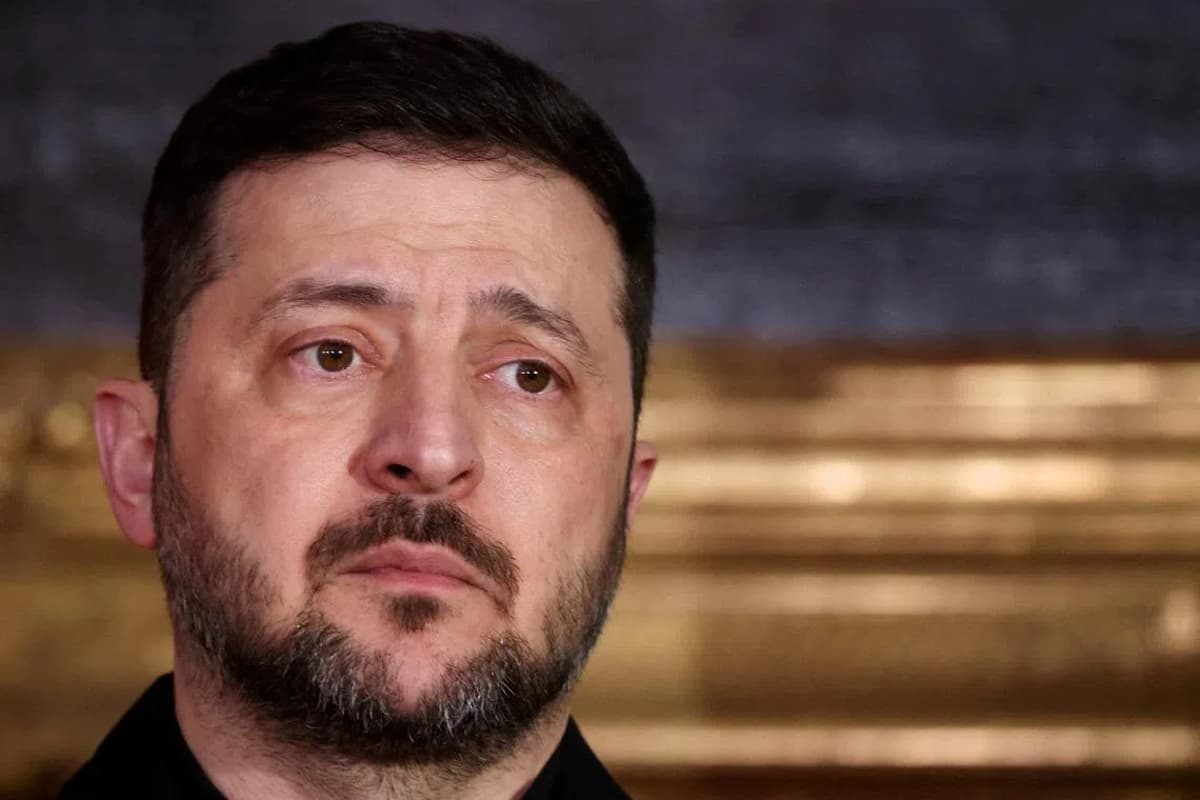
Ukraine Has 'Irrefutable' Evidence of Russia Providing Intelligence to Iran, Zelenskiy Says
Why It Matters
The allegation signals deeper Russia‑Iran military coordination, potentially boosting Iranian strike capabilities and destabilising global energy markets.
Key Takeaways
- •Ukraine claims Russia shares SIGINT with Iran
- •Evidence described as “irrefutable” by Ukrainian intelligence
- •Kremlin calls related WSJ report “fake news.”
- •Zelensky warns of market and fuel impacts
- •Intelligence sharing could extend Middle East conflict
Pulse Analysis
The latest accusation from Kyiv marks a new chapter in the long‑standing, covert partnership between Moscow and Tehran. Ukrainian military intelligence says Russia is providing raw signals intelligence, satellite imagery and even refined drone technology to Iran, a claim backed by what President Zelenskiy called "irrefutable" evidence. While Moscow has repeatedly denied the allegations, labeling a recent Wall Street Journal report as "fake news," the disclosure underscores a strategic calculus: by enhancing Iran's targeting precision, Russia can extend its influence in the Middle East without direct battlefield involvement.
If the intelligence flow is real, it could materially upgrade Iran's ability to strike regional adversaries, complicating the already volatile security environment in the Persian Gulf. NATO and U.S. defense planners have long warned that Iranian missile and drone attacks could threaten shipping lanes and allied bases. The prospect of Russian‑sourced data feeding Tehran's weapons systems may prompt a recalibration of deterrence postures, including heightened surveillance and potential sanctions targeting the intelligence exchange channels.
Financial markets have already shown sensitivity to the news, with oil futures edging higher as analysts factor in the risk of renewed hostilities that could disrupt supply chains. Energy‑dependent economies, especially in Europe, may face tighter fuel margins if Iranian operations become more effective. Policymakers in Washington and Brussels are likely to weigh diplomatic pressure on both Moscow and Tehran, balancing the need to curb proliferation with the broader goal of stabilising global energy prices. The unfolding narrative illustrates how intelligence sharing can ripple far beyond the battlefield, influencing geopolitics, commerce, and security strategy alike.


Comments
Want to join the conversation?
Loading comments...