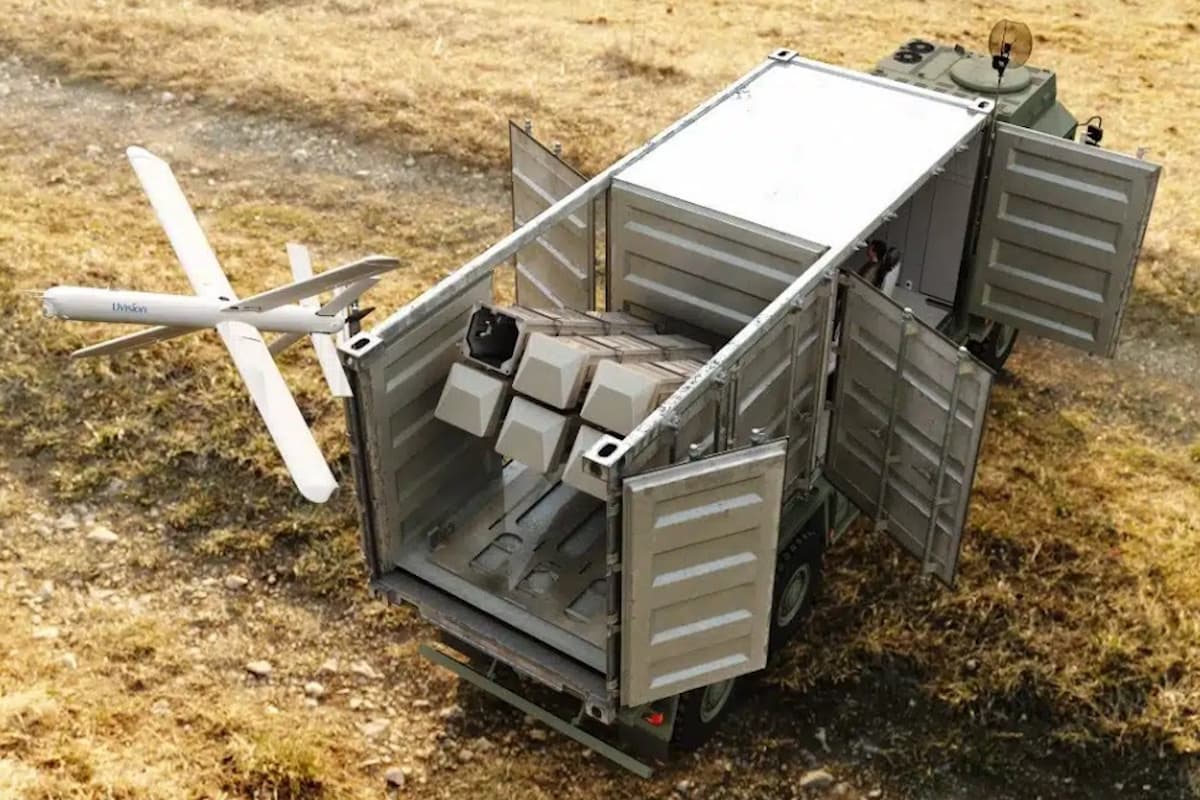
US Containerized Drone Swarms No Silver Bullet vs China
Why It Matters
Containerized swarms could reshape U.S. force posture in the Indo‑Pacific, offering a low‑cost, survivable way to counter China’s anti‑access strategies, but their impact hinges on doctrinal and industrial readiness.
Key Takeaways
- •DIU launches CADDS to automate mass drone deployment
- •Containers enable concealed, mobile launch sites on land and sea
- •Swarm concept aims to offset China’s A2/AD advantage
- •Analysts warn drones complement, not replace, traditional firepower
- •Success depends on integration, doctrine, and industrial capacity
Pulse Analysis
The Pentagon’s Containerized Autonomous Drone Delivery System (CADDS) marks a shift from bespoke, crew‑intensive drone operations toward a modular, container‑based architecture. By fitting launch, recovery and servicing equipment into standard shipping containers, CADDS promises to be road‑mobile, sea‑deployable and operable by no more than two personnel. This design reduces logistical footprints, enables rapid set‑up in contested zones, and supports heterogeneous drone mixes for ISR, decoy, or strike missions. The emphasis on automation and weather‑proof capability reflects a broader U.S. push to field unmanned systems at scale while minimizing human exposure.
Strategically, CADDS aligns with the United States’ effort to develop an "offset" against China’s growing A2/AD capabilities in the First Island Chain. Distributed Maritime Operations and similar doctrines view swarms as force multipliers that can generate ambiguous signatures, overwhelm enemy sensors and create a persistent ISR network without relying on fixed bases. Concealed containers can be hidden in commercial shipping or port infrastructure, allowing U.S. forces to launch attacks from unexpected locations and complicate Chinese targeting cycles. The mass‑and‑tempo advantage sought by CADDS could therefore enhance deterrence and provide a flexible response option in a Taiwan contingency.
However, experts warn that drone swarms are not a silver bullet. Their limited payload, range and endurance mean they complement rather than replace traditional missiles, ships and manned aircraft. Successful integration will require robust command‑and‑control links, joint sensor‑shooter networks, and clear rules of engagement—areas where institutional inertia and doctrinal gaps persist. Moreover, the industrial base must scale production of affordable, reliable drones to sustain "precise mass" concepts. Until these systemic challenges are addressed, containerized swarms risk becoming a technological patch rather than a transformative warfighting capability.
US containerized drone swarms no silver bullet vs China


Comments
Want to join the conversation?
Loading comments...