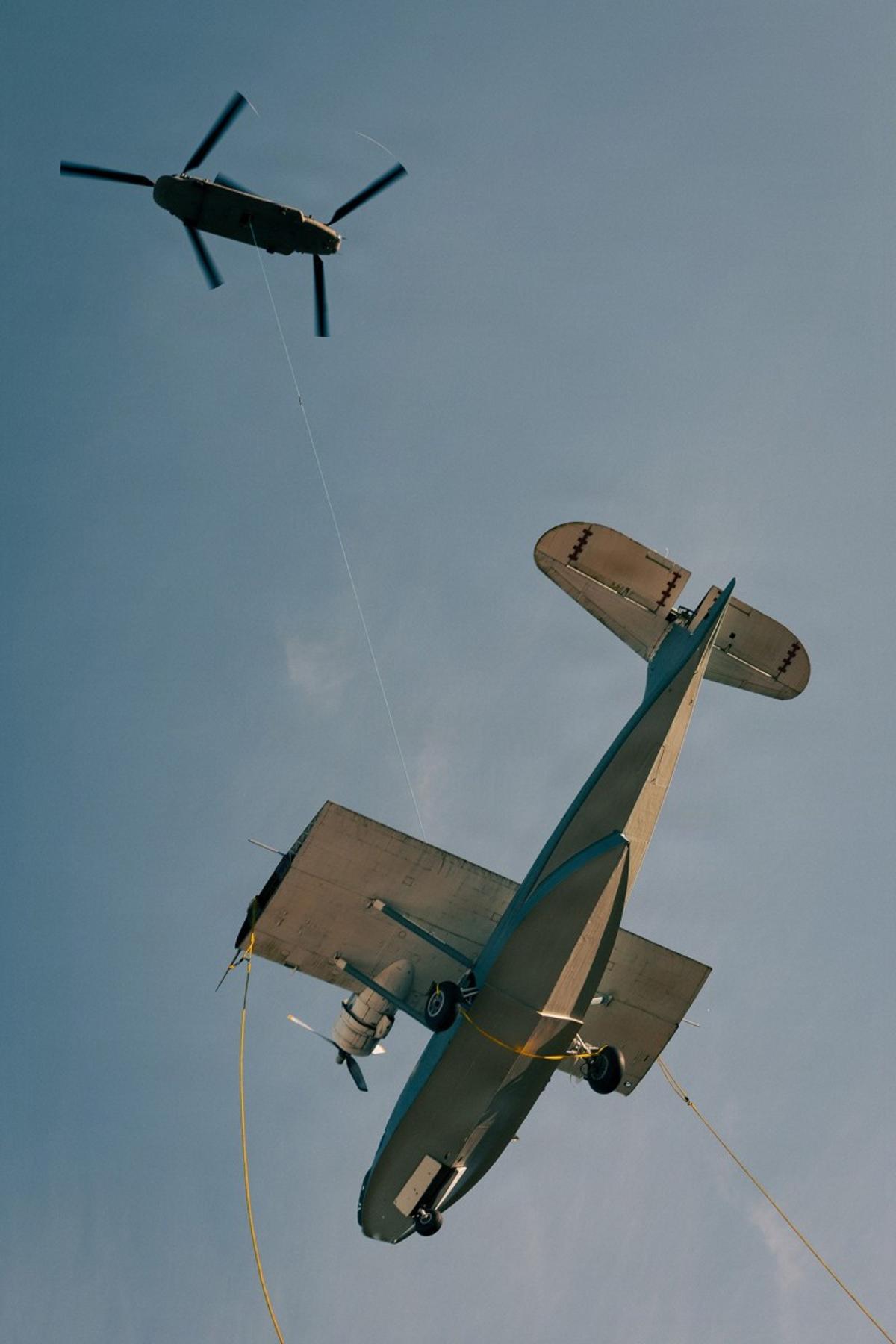
Washington Guard Lifts WWII-Era Bomber for Move to Museum
Why It Matters
The successful lift preserves a rare WWII amphibious aircraft for public education and underscores the value of military‑civil collaboration in heritage projects. It also showcases the National Guard’s ability to execute complex heavy‑lift missions beyond traditional combat roles.
Key Takeaways
- •CH‑47 Chinook airlifted WWII PBY‑5A Catalina to museum
- •Over 1,000 locals watched the historic lift
- •Museum secured plane after 2010 auction and relocation
- •National Guard solved complex logistics with custom sling equipment
- •Event showcases community‑military partnership preserving aviation heritage
Pulse Analysis
The PBY‑5A Catalina, a versatile WWII patrol bomber known for its "Black Cat" night‑attack missions, has long been a symbol of maritime aviation history. After the Navy retired the type in 1957, few examples survived, making the aircraft acquired by the Pacific Northwest Naval Air Museum in 2010 a valuable artifact. Its presence in Oak Harbor, the original home of a PBY squadron, offered a tangible link to the island’s wartime legacy and provided educators a rare hands‑on teaching tool.
Transporting a 30‑ton, 70‑foot aircraft through a city’s streets proved impractical, prompting museum leaders to enlist the Washington Army National Guard. Engineers conducted stress analyses, while pilots rehearsed sling‑load procedures to mitigate down‑wash and ensure stability. The CH‑47 Chinook, equipped with a longer cable and reinforced rigging, executed a precise hover, lifted the bomber, and navigated a short flight over the harbor. The mission required multiple attempts, safety pauses, and coordination among engineers, mechanics, and local officials, illustrating the Guard’s adaptability to non‑combat, heavy‑lift challenges.
Beyond preserving a historic airframe, the operation reinforced the symbiotic relationship between military resources and civilian cultural institutions. Community members gathered to witness the spectacle, fostering local pride and awareness of regional heritage. The successful lift sets a precedent for future collaborations, where National Guard capabilities can address unique logistical problems for museums, disaster relief, or infrastructure projects. As heritage organizations grapple with moving oversized artifacts, the Oak Harbor example demonstrates that with careful planning and inter‑agency cooperation, even the most daunting transport tasks can become public celebrations of history and service.
Washington Guard Lifts WWII-Era Bomber for Move to Museum


Comments
Want to join the conversation?
Loading comments...