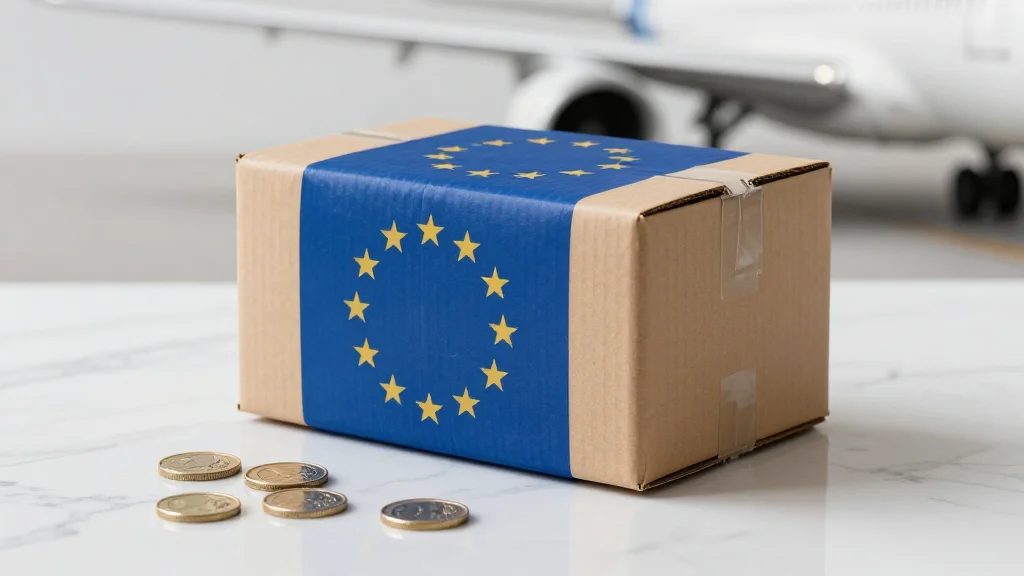
EU De Minimis Is Changing — Here’s How To Protect Your DTC Margins
Key Takeaways
- •€3 flat duty per HS code starts July 2026.
- •De minimis threshold of €150 eliminated by 2028.
- •Over 90% of low‑value parcels originate from China.
- •Fashion, beauty, home goods face immediate duty increase.
- •Brands must audit shipments and revise pricing strategies.
Pulse Analysis
The EU’s customs reform reflects a broader shift toward fairer trade practices and fiscal consolidation. By phasing out the de‑minimis exemption, policymakers aim to close a loophole that allowed systematic undervaluation of low‑value goods, which cost the Union an estimated €1 billion in lost duties each year. The €3 flat‑rate charge, applied per HS code, is a transitional measure designed to smooth the transition for the massive volume of parcels—over 4 billion annually—while signaling a firm commitment to harmonized tariff enforcement.
For direct‑to‑consumer brands, the financial implications are immediate and material. A €3 charge per HS code may seem modest, but when multiplied across thousands of orders, it can erode profit margins, especially in categories where price elasticity is high. Brands that previously leveraged the €150 threshold to offer ultra‑low‑priced items must now factor in duty costs, potentially revising price points or absorbing expenses, which could affect conversion rates. Moreover, the upcoming full‑tariff regime in 2028 will introduce variable rates based on product classification and origin, adding complexity to cost modeling and inventory pricing strategies.
Proactive preparation is essential. Companies should begin by segmenting their EU order data to identify high‑frequency HS codes and quantify the projected duty exposure. Investing in automated customs compliance platforms can streamline IOSS filings and ensure accurate HS code assignments, reducing the risk of double‑charging. Pricing engines that support country‑specific adjustments will enable brands to pass costs to consumers without sacrificing competitiveness. Ultimately, firms that adapt their supply‑chain logistics, pricing architecture, and compliance infrastructure now will preserve margins and maintain market share as the EU’s de‑minimis landscape evolves.
EU De Minimis Is Changing — Here’s How To Protect Your DTC Margins
Comments
Want to join the conversation?