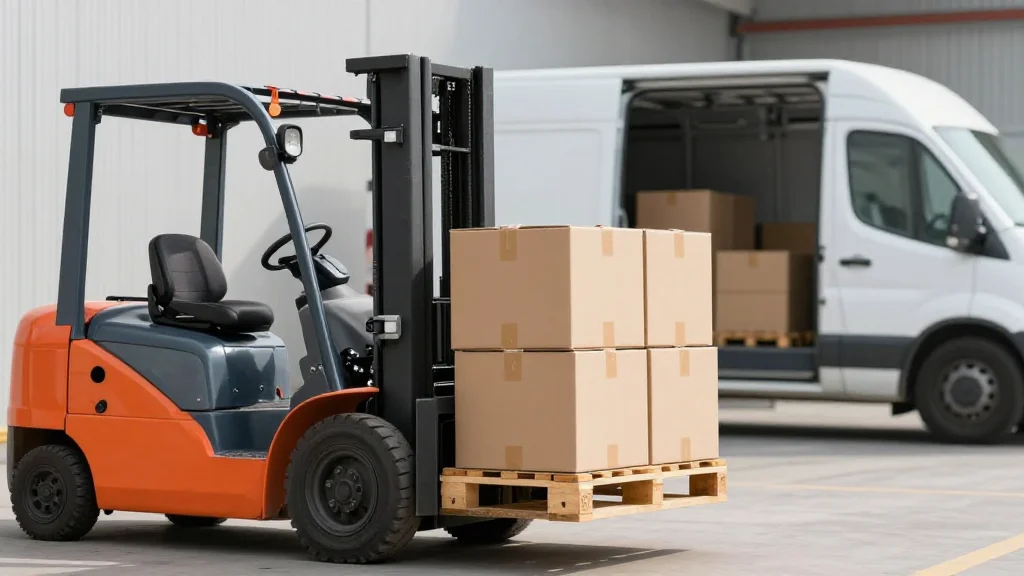
What Is Critical Pull Time? A Practical Guide For 2026

Key Takeaways
- •CPT is internal deadline before carrier pickup, not a customer‑facing metric
- •Labor shortages and poor wave planning are top CPT pressure sources
- •Buffer‑based cutoff formula protects deadlines during peak order spikes
- •ShipBob offers real‑time order timelines and automated SLA prioritization
- •Early CPT adjustments reduce overtime and improve on‑time‑in‑full rates
Pulse Analysis
Critical pull time has become a linchpin in modern ecommerce logistics because it translates the abstract promise of same‑day or next‑day delivery into a concrete operational checkpoint. Unlike customer‑facing cutoffs, CPT sits inside the warehouse workflow, marking the moment when an order must leave the pick aisle and move through packing, labeling and staging before the carrier’s truck arrives. By anchoring CPT to carrier departure times, fulfillment teams can synchronize labor, equipment and inventory to protect the downstream delivery promise, turning a potential crisis into a predictable process.
When order volumes surge—during flash sales, holidays or viral product launches—the buffers that cushion each step shrink dramatically. Labor shortages, delayed inbound receipts, and system latency then become amplified, pushing pick completion past the CPT threshold. A buffer‑based cutoff strategy, which subtracts estimated pick, pack, label, staging and exception times from the carrier window, gives planners a data‑driven deadline that can be adjusted in real time. Coupled with demand forecasting and dynamic wave planning, this approach reduces overtime spikes and prevents the cascading backlog that typically follows a missed CPT.
Technology platforms like ShipBob address these challenges by providing a unified order timeline that surfaces timestamps for every fulfillment milestone. Automated SLA prioritization flags at‑risk orders before they breach CPT, while multi‑site inventory placement shortens travel distance for high‑velocity SKUs. The result is higher on‑time‑in‑full (OTIF) rates—ShipBob reports 97.3% on‑time shipments for Food Huggers during a 786% sales surge—and a more resilient fulfillment network capable of scaling with future ecommerce demand. As carriers tighten pickup windows and consumers expect ever‑faster delivery, mastering CPT will remain a competitive advantage for brands that can turn operational data into actionable deadlines.
What Is Critical Pull Time? A Practical Guide For 2026
Comments
Want to join the conversation?