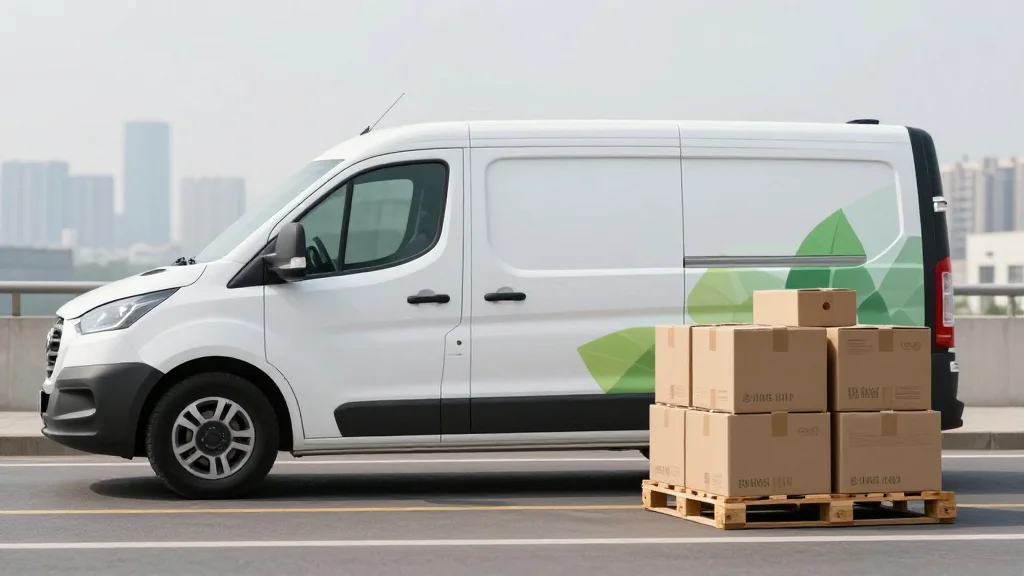
What Is Green Shipping? Green Shipping for Ecommerce

Key Takeaways
- •Transport sector emits ~14% of global GHGs.
- •Maritime shipping contributes 3% (≈1 bn t CO₂) annually.
- •EV last‑mile can cut deliveries emissions up to 50%.
- •Sustainable packaging brands grow 28% faster than peers.
- •89% of firms view carbon credits as essential.
Pulse Analysis
The push toward green shipping is no longer a niche initiative; it is becoming a core component of global supply‑chain strategy. Governments are tightening carbon‑tax regimes on maritime fuels and diesel trucks, while investors scrutinize ESG metrics. Companies that pre‑emptively adopt zero‑emission vessels, electric delivery fleets, and sustainable aviation fuel not only sidestep future levies but also unlock financing incentives tied to carbon‑reduction targets. This regulatory backdrop accelerates the commercial case for greener logistics, turning compliance into a competitive advantage.
Transportation mode choices drive the bulk of emissions savings. Electrified last‑mile delivery can halve the carbon intensity of urban shipments, especially when paired with route‑optimization software that trims mileage by up to 25%. On the high‑value air corridor, sustainable aviation fuel offers up to an 80% reduction in lifecycle CO₂, making rapid delivery compatible with climate goals. Meanwhile, maritime operators are experimenting with ammonia‑ and methanol‑powered engines, promising substantial cuts in sulphur and nitrogen oxides alongside CO₂. These technology shifts are supported by a growing network of green‑fuel suppliers and infrastructure investments, creating a virtuous cycle of adoption.
Packaging and carbon offsetting round out the green shipping equation. Brands that replace plastic mailers with compostable or recyclable alternatives not only lower waste but also enjoy a 28% faster growth rate, reflecting strong consumer preference for visible sustainability. Carbon‑neutral shipping programs, now embraced by 89% of firms, provide a bridge while zero‑emission fuels scale, allowing merchants to calculate shipment footprints and invest in reforestation or green‑hydrogen projects. Implementing a holistic strategy—optimizing routes, communicating realistic delivery timelines, and supporting clean‑fuel carriers—delivers cost efficiencies, brand differentiation, and resilience against future carbon‑pricing policies.
What Is Green Shipping? Green Shipping for Ecommerce
Comments
Want to join the conversation?