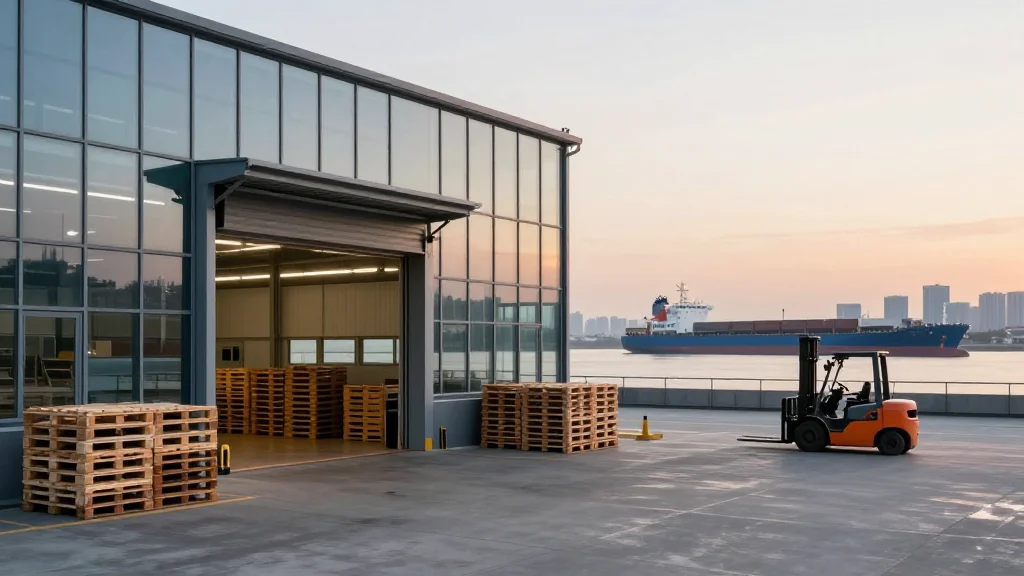
Amazon Opens Shenzhen Global Warehouse, Promising 45% Storage Cost Cut for Chinese Sellers

Why It Matters
The Shenzhen hub could redefine cost structures for Chinese cross‑border sellers, making Amazon a more attractive gateway to Western consumers. Lower storage fees and faster shipping directly address two of the biggest pain points for merchants: cash‑flow tied up in inventory and long delivery windows that erode customer satisfaction. If the model scales, it may force competitors to develop comparable integrated logistics solutions, intensifying a race for efficiency in the global e‑commerce supply chain. Beyond individual sellers, the hub reflects a broader trend of major platforms investing in localized logistics infrastructure to capture more value from the end‑to‑end transaction. By controlling more of the fulfillment process, Amazon can better manage quality, reduce fraud risk, and gather richer data on shipping performance, all of which could feed into its algorithmic recommendations and advertising products.
Key Takeaways
- •Amazon opened its first Global Warehousing and Distribution hub in Shenzhen, aiming to cut storage costs for Chinese sellers by up to 45%
- •The hub integrates storage, customs clearance, shipping and inventory transfers in a single facility
- •Amazon Global Logistics can move inventory to U.S. fulfillment centers up to seven days faster from Shenzhen
- •Shenzhen hosts over 50% of China’s cross‑border sellers and has led national trade rankings for four years straight
- •Amazon plans to roll out similar hubs in the Yangtze River Delta and expand distribution to Europe and Japan
Pulse Analysis
Amazon’s Shenzhen hub is a tactical response to the erosion of its cross‑border market share by nimble Chinese platforms that bundle marketplace exposure with logistics. By offering a cost‑effective, end‑to‑end solution, Amazon is attempting to shift the value proposition from pure platform fees to a broader logistics partnership. Historically, Amazon’s strength has been its fulfillment network in the West; this move flips the script, bringing that expertise to the source of supply.
The 45% storage‑cost reduction claim is significant because inventory holding costs have long been a hidden expense for small and medium‑sized Chinese sellers. If the savings materialize, merchants can reallocate capital to marketing, product development, or price competition, potentially increasing Amazon’s share of their sales. Moreover, the seven‑day transit improvement aligns with consumer expectations for rapid delivery, a factor that has become a decisive differentiator in the U.S. and European markets.
However, the hub’s success hinges on adoption rates and the ability to scale operations without bottlenecks. Competitors like Temu and Shein already operate their own logistics ecosystems, often subsidized by parent companies with deep pockets. Amazon must demonstrate that its integrated model not only saves money but also delivers reliability and transparency that sellers can trust. The upcoming expansions to the Yangtze River Delta and to European distribution nodes will test whether the Shenzhen prototype can be replicated across diverse regulatory and infrastructural environments. In the longer term, the hub could serve as a data collection point, feeding Amazon’s AI‑driven inventory forecasting tools and sharpening its competitive edge across the entire e‑commerce value chain.
Amazon Opens Shenzhen Global Warehouse, Promising 45% Storage Cost Cut for Chinese Sellers
Comments
Want to join the conversation?
Loading comments...