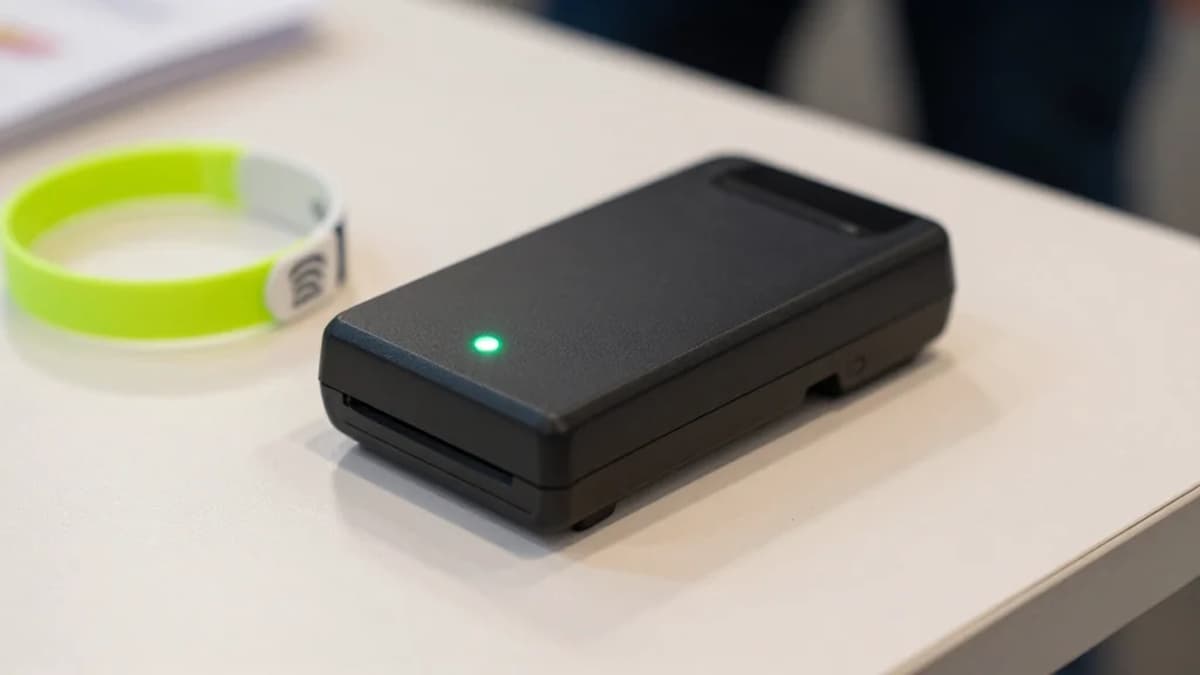
Amazon Targets Pop-Up Retail with Upgraded Just Walk Out Tech
•January 21, 2026
0
Companies Mentioned


Why It Matters
The move shows Amazon monetizing cashierless technology in high‑turnover venues, boosting revenue while curbing loss. It also signals a broader industry shift toward flexible, RFID‑based checkout solutions for temporary retail environments.
Key Takeaways
- •Portable RFID lanes deploy in hours for pop‑up events.
- •Screens guide shoppers, showing cart total and item visibility.
- •47% sales increase observed at Seattle’s Lumen Field.
- •UCSD retail theft dropped 83% after lane implementation.
- •Amazon adds 150 new third‑party locations this year.
Pulse Analysis
Amazon’s latest Just Walk Out iteration swaps computer‑vision‑only detection for RFID‑tagged items, a change that dramatically improves accuracy for soft goods like clothing and fan merchandise. By packaging the technology into portable lanes that can be set up in a matter of hours, Amazon addresses a long‑standing limitation of its cashierless model: the need for a fixed, controlled environment. The added in‑lane displays and automated gates not only streamline the shopper journey but also give retailers real‑time visibility into cart contents, reducing friction and errors.
The business impact is already quantifiable. In pilot deployments, sales at Seattle’s Lumen Field surged 47% per game, while the University of California San Diego reported an 83% drop in retail theft after installing the lanes. These results have prompted Amazon to pivot away from using Just Walk Out in traditional grocery formats like Amazon Fresh and Whole Foods, where the technology proved less effective, and instead focus on fast‑paced venues such as stadiums, campuses and hospitals. The strategy aligns with Amazon’s broader goal of extracting maximum value from its checkout‑free ecosystem while minimizing operational risk.
Industry observers see Amazon’s portable RFID solution as a catalyst for wider adoption of flexible, checkout‑free experiences. Competitors in the retail tech space are likely to accelerate their own RFID or sensor‑based offerings to keep pace. Moreover, the rapid‑deployment model lowers entry barriers for smaller operators, potentially reshaping how pop‑up and event‑based commerce is conducted. As Amazon scales the network to an additional 150 locations this year, the technology could become a new standard for temporary retail, driving both revenue growth and loss prevention across the sector.
Amazon targets pop-up retail with upgraded Just Walk Out tech
0
Comments
Want to join the conversation?
Loading comments...