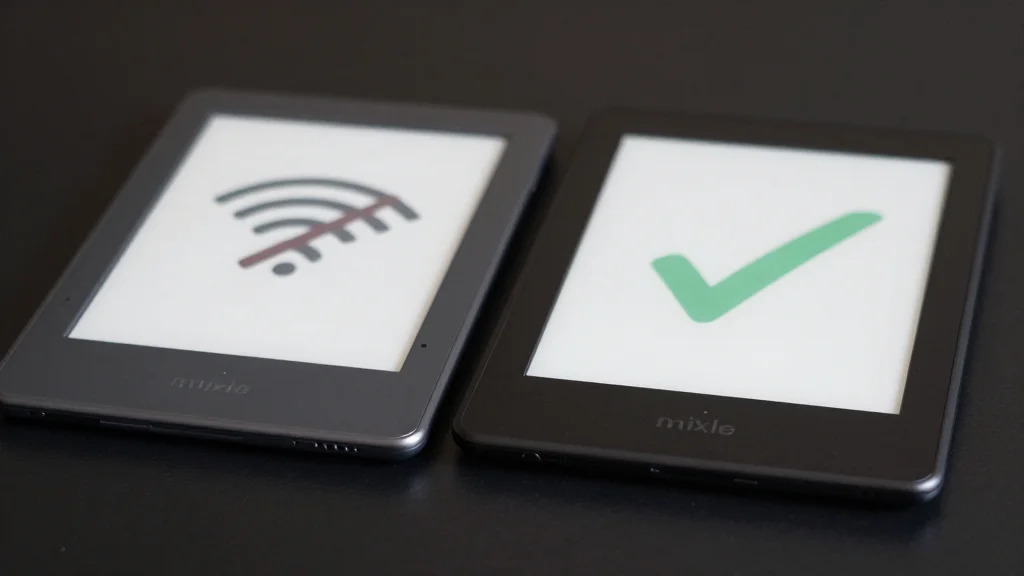
Amazon to Cut Kindle Store Access for Pre‑2013 Devices on May 20

Why It Matters
The abrupt termination of Kindle Store access on legacy devices forces a large, loyal user base to either upgrade or resort to work‑arounds, directly impacting Amazon’s hardware revenue and its ecosystem lock‑in strategy. By coupling the cut‑off with a time‑limited discount and ebook credit, Amazon aims to convert dormant users into buyers of newer, higher‑margin devices, reinforcing its dominance in the e‑book market. At the same time, the decision spotlights the environmental cost of planned obsolescence in consumer electronics. If users cannot easily repurpose their old Kindles, the e‑reading sector could face increased scrutiny from regulators and sustainability advocates, potentially prompting Amazon to develop recycling or refurbishment initiatives to mitigate waste.
Key Takeaways
- •May 20, 2026: Kindle Store functions disabled on all Kindle/Fire models released in 2012 or earlier
- •Affected models include 1st‑gen Kindle, Kindle DX, Kindle Keyboard, 1st‑gen Paperwhite and all 2012 Fire tablets
- •Amazon offers a 20% discount on new Kindles plus a $20 ebook credit (AU$30 ≈ $20 in Australia) until June 20, 2026
- •Devices deregistered or factory‑reset after the deadline cannot be re‑registered, cutting off future purchases
- •Users can still read pre‑loaded books and sideload DRM‑free files via USB, though many turn to jailbreaks
Pulse Analysis
Amazon’s Kindle ecosystem has long relied on a virtuous cycle: affordable hardware, a proprietary storefront, and subscription services that keep readers within its platform. By ending support for a decade‑old hardware cohort, the company is deliberately breaking that cycle for a segment that no longer drives incremental revenue. The 20% discount is a classic loss‑leader tactic, designed to convert legacy users into owners of newer devices that support advanced features like AI‑driven note search and enhanced PDF handling—capabilities introduced in recent firmware updates such as 5.19.3.0.1.
From a market‑share perspective, the move could open a niche for rivals like Kobo, whose devices already integrate with public‑library services via Libby. Users who value library borrowing may see the Kindle’s loss of Send‑to‑Kindle and borrowing functions as a deal‑breaker, prompting a migration to competing ecosystems. However, Amazon’s massive content library and the convenience of a unified account may retain enough loyalty to offset any churn.
The environmental angle cannot be ignored. Planned obsolescence has drawn criticism across the tech sector, and e‑readers are a visible example because they are often kept for years. Amazon’s silence on recycling or refurbishment for the affected models may fuel consumer backlash and invite regulatory attention. If the company pairs its discount program with a robust take‑back scheme, it could mitigate waste concerns while still achieving its upgrade goals. In the short term, the headline‑grabbing cutoff will likely boost Kindle sales in Q3 2026, but the longer‑term brand impact will hinge on how Amazon balances profit motives with sustainability expectations.
Amazon to Cut Kindle Store Access for Pre‑2013 Devices on May 20
Comments
Want to join the conversation?
Loading comments...