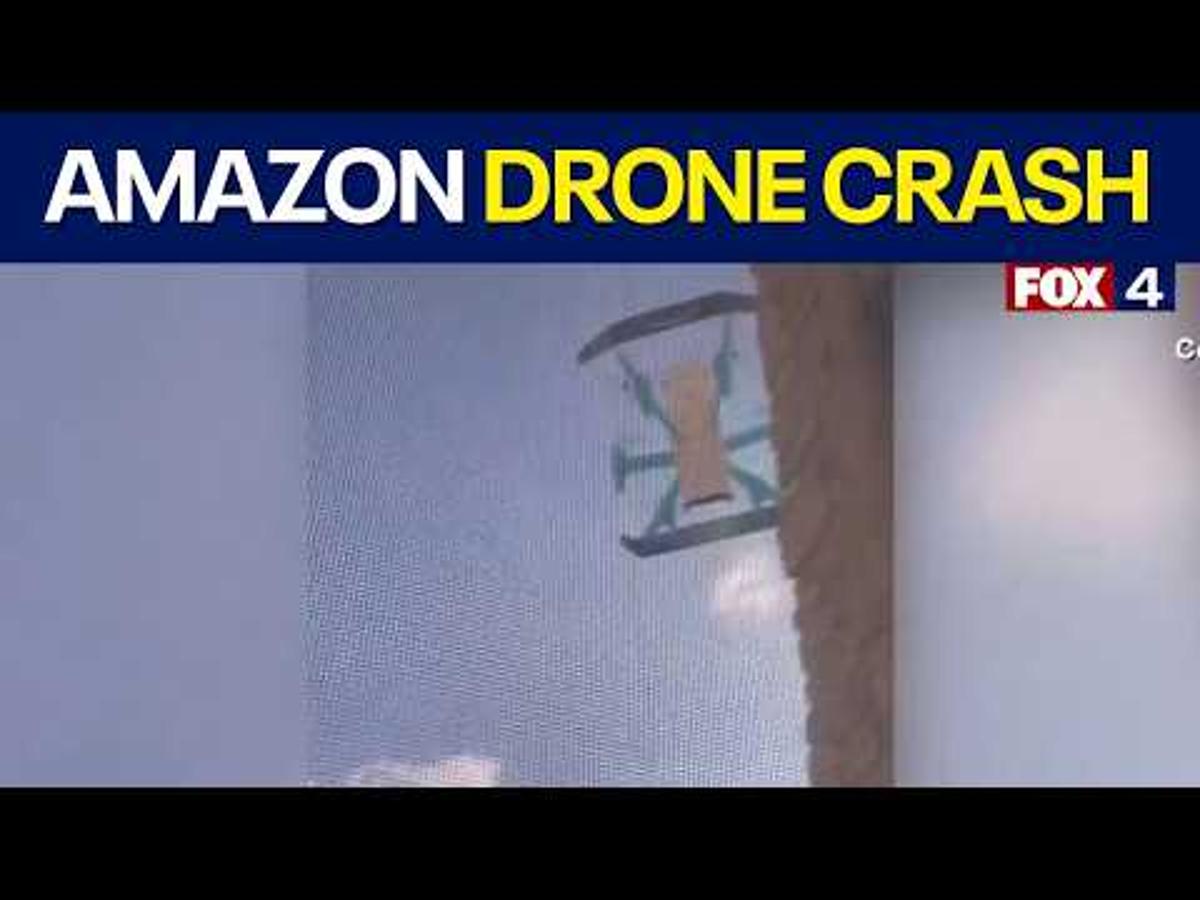
Amazon’s Delivery Dreams Grounded as Texas Drone Crash Sparks Fresh Safety Fears
•February 7, 2026
0

Companies Mentioned

Why It Matters
The crash underscores regulatory and public trust hurdles that could delay Amazon’s goal of 500 million drone‑delivered packages by 2030, while prompting tighter safety scrutiny across the autonomous logistics sector.
Key Takeaways
- •MK30 drone crashed into Texas apartment building.
- •LiDAR sensor limitations caused wall detection failure.
- •Series of incidents raise safety concerns for urban deliveries.
- •FAA investigation may delay Amazon’s global rollout.
- •Public opposition grows amid noise and privacy worries.
Pulse Analysis
Amazon’s drone delivery program has long been marketed as the next frontier of e‑commerce logistics, promising faster fulfillment and reduced road congestion. The company’s shift from the MK27, which relied on mechanical squat switches, to the lighter MK30 model centered on an optoelectronic sensor suite of LiDAR and computer vision. While this redesign was intended to cut weight and simplify maintenance, the Richardson crash reveals how reliance on a single sensor modality can compromise obstacle detection, especially against low‑contrast façades like stucco or glass. Industry analysts note that similar sensor blind spots have emerged in other autonomous platforms, suggesting a broader engineering challenge rather than an isolated Amazon flaw.
Safety concerns have moved from theoretical risk assessments to tangible public anxiety. An 80‑pound drone descending uncontrolled poses a near‑certain fatality risk for anyone struck, a fact that fuels community opposition in test markets across the United States. The Federal Aviation Administration’s ongoing probe will likely tighten operational thresholds, demanding redundant detection systems and stricter flight‑path approvals. Simultaneously, the UK’s Civil Aviation Authority watches closely, as Amazon’s planned Darlington launch hinges on demonstrating robust risk mitigation. The cumulative effect of multiple incidents could reshape regulatory frameworks, prompting more rigorous certification processes for commercial unmanned aerial vehicles.
For Amazon, the stakes extend beyond compliance; trust is a market asset. Delays in achieving the projected 500 million annual drone deliveries could cede competitive advantage to rivals like Alphabet’s Wing or UPS’s Flight Forward, which are advancing with more conservative sensor architectures. To restore confidence, Amazon may need to re‑engineer the MK30 with layered sensing—combining LiDAR, radar, and ultrasonic arrays—and invest in community outreach programs that address noise and privacy concerns. The outcome of the FAA investigation will set a precedent for the entire autonomous logistics industry, influencing investment, policy, and the pace at which aerial delivery becomes mainstream.
Amazon’s delivery dreams grounded as Texas drone crash sparks fresh safety fears
0
Comments
Want to join the conversation?
Loading comments...