Automated Supply Replenishment Systems Are The Future: How to Build Yours (2026)
•March 5, 2026
0
Key Takeaways
- •Real‑time visibility across locations eliminates phantom stock
- •Rule‑based logic starts simple; forecast models scale with growth
- •Integrates with ERP, WMS, and Shopify for seamless flow
- •Clean SKU, barcode, and location data is foundational
- •Automation cuts stockouts, markdowns, and tied‑up cash
Summary
Automated supply replenishment systems use real‑time data, RFID and generative AI to monitor inventory across all sales channels. They automatically generate purchase or transfer orders, adjusting to demand spikes such as influencer‑driven sales. In 2025, stockout and overstock costs reached $1.73 trillion, making automation essential for 2026 retail profitability. Shopify provides a phased implementation guide—from data cleanup to AI‑enhanced forecasting—tailored to single‑store and multi‑location businesses.
Pulse Analysis
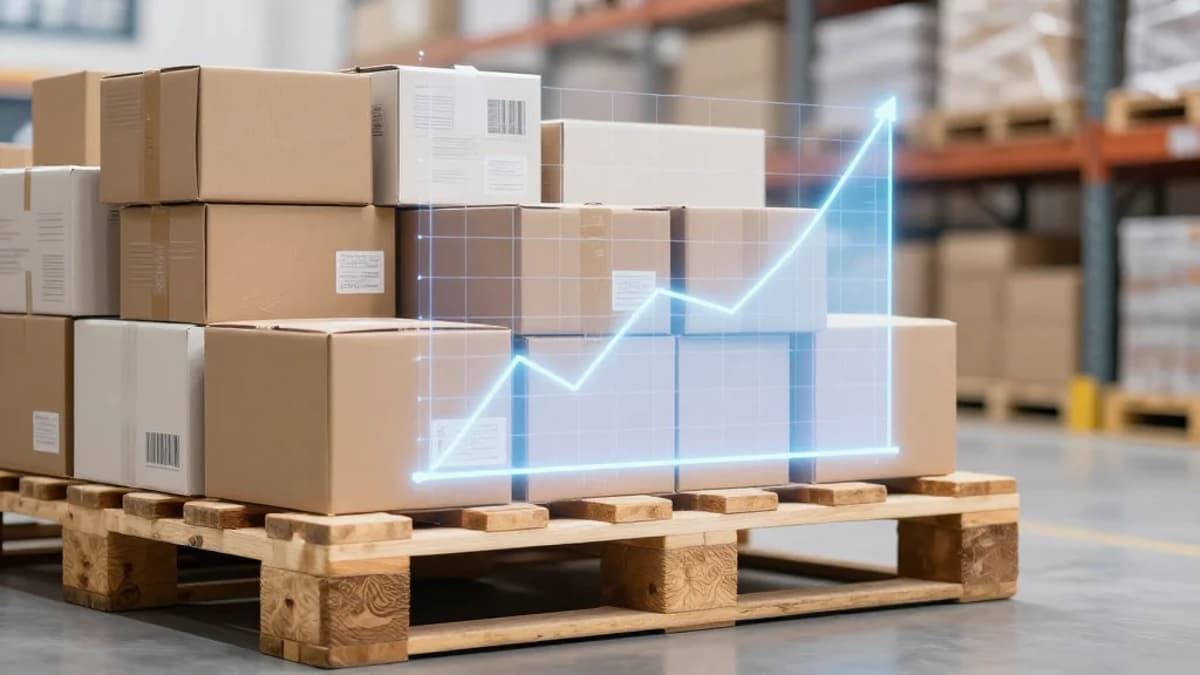
Retailers today juggle dozens of sales channels—from e‑commerce sites to TikTok Shop and brick‑and‑mortar stores—making inventory a moving target. Stockouts not only erode revenue but also damage brand loyalty, while overstocks tie up capital and force markdowns. Analysts estimate that combined inventory errors cost the industry $1.73 trillion in 2025, underscoring the urgency for a smarter, data‑driven approach. Automated supply replenishment systems address this pain point by delivering a single source of truth for inventory, instantly reconciling sales, returns, and shipments across every location.
The engine behind modern replenishment combines RFID tagging, real‑time cloud sync, and generative AI. RFID provides granular, on‑hand counts, while AI interprets sales velocity, seasonal trends, and even social media buzz to predict demand spikes. Rule‑based logic offers a quick start—triggering orders when stock falls below a preset point—whereas forecast‑based models continuously refine reorder quantities using historical data and external signals. This dual‑layered approach ensures that retailers can react to sudden influencer‑driven demand while maintaining optimal safety stock, reducing both stockouts and excess inventory.
Shopify’s implementation roadmap makes the technology accessible to merchants of any size. Phase 0 cleans and standardizes SKU, barcode, and location data, establishing a reliable inventory baseline. Subsequent phases introduce rule‑based thresholds, multi‑location transfer automation, and finally AI‑enhanced forecasting that aligns with marketing calendars. By integrating with ERP, WMS, and EDI systems, the solution automates purchase orders and transfer requests, cutting manual effort and accelerating order‑to‑shelf cycles. Early adopters report faster inventory turns, lower rush‑shipping fees, and a measurable lift in customer satisfaction—key indicators that automated replenishment is becoming a competitive necessity in 2026.
Comments
Want to join the conversation?