Autonomous Organization Workflows: Decreasing Manual Work in 2026
•February 2, 2026
0
Companies Mentioned

Why It Matters
Automation directly boosts operational efficiency and profitability, giving firms a competitive edge in a fast‑moving market. It also enables scalable growth without proportional increases in headcount.
Key Takeaways
- •POS automation cuts manual sales entry hours weekly
- •Real‑time inventory alerts prevent stockouts and counting errors
- •Cloud dashboards consolidate data, accelerating strategic decisions
- •Scalable systems grow with multiple locations without extra staff
Pulse Analysis
The push toward autonomous business operations reflects a broader shift in 2026 toward hyper‑efficient, data‑driven enterprises. As consumer expectations tighten around speed and personalization, firms can no longer afford the latency of handwritten logs or siloed spreadsheets. Automation replaces those bottlenecks with integrated software‑hardware loops that capture transactions, inventory movements, and customer interactions instantly. This transition not only trims labor hours but also creates a foundation for predictive analytics, allowing leaders to anticipate demand and allocate resources proactively.
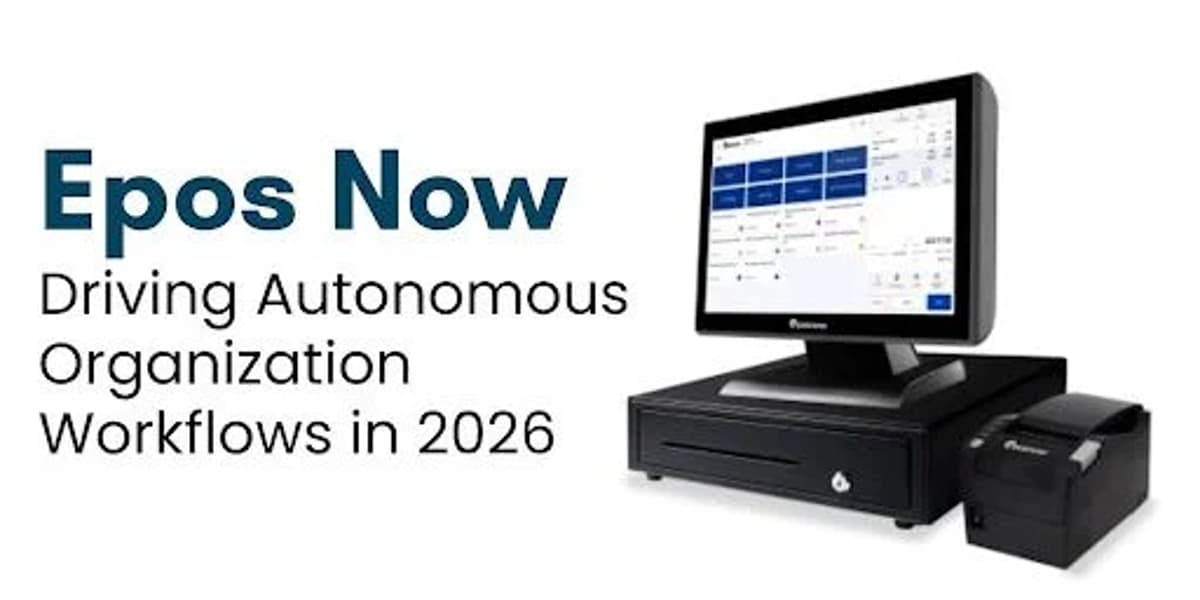
Modern cloud POS solutions, exemplified by Epos Now, serve as the nerve center for this transformation. By unifying point‑of‑sale, inventory, payments, and loyalty data in a single, browser‑accessible platform, they eliminate the need for duplicate data entry across stores or channels. Real‑time dashboards surface key metrics—sales velocity, stock levels, employee performance—without waiting for end‑of‑month reports. Seamless integrations with accounting, delivery, and e‑commerce apps further reduce manual handoffs, ensuring that every transaction flows directly into the financial and operational ecosystem.
Looking ahead, the ROI of autonomous workflows becomes increasingly compelling as businesses scale. Automated processes reduce error‑related costs, improve customer satisfaction through faster checkouts and accurate stock information, and free staff to focus on value‑added activities like customer service and strategic planning. Companies that prioritize automating sales recording, inventory management, and analytics position themselves to adapt quickly to market shifts, expand across multiple locations, and sustain growth without proportionally expanding their workforce.
Autonomous Organization Workflows: Decreasing Manual Work in 2026
0
Comments
Want to join the conversation?
Loading comments...