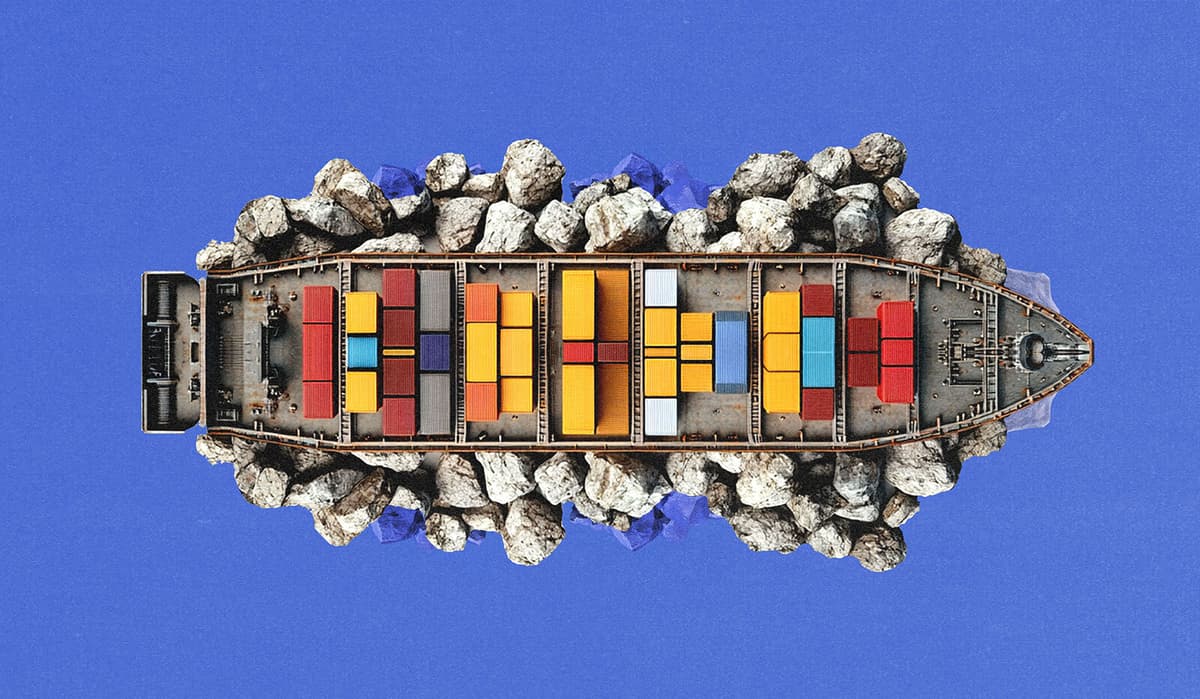
Brands Briefing: Founders Hope for a ‘Dependable and Stable’ 2026 After the Chaos of 2025
•January 20, 2026
0
Why It Matters
Stabilizing operations after a tariff‑driven shock is crucial for preserving margins and maintaining consumer confidence, directly influencing market valuations and competitive positioning.
Key Takeaways
- •2025 tariffs disrupted product launches
- •Brands faced inventory shortages and hiring freezes
- •Companies aim for stability in 2026
- •Cost pressures forced layoffs and expense cuts
- •Strategic planning focuses on supply chain resilience
Pulse Analysis
The tariff turbulence of 2025 sent shockwaves through the retail ecosystem, as governments worldwide introduced duty adjustments at a pace rarely seen in modern trade policy. Brands that relied on thin margins and just‑in‑time inventory models found themselves scrambling to absorb sudden cost spikes, often passing expenses onto consumers or absorbing them to protect brand equity. This environment exposed the fragility of global supply chains and highlighted the need for more agile procurement strategies that can adapt to regulatory volatility.
In response, many companies instituted aggressive cost‑containment programs. Layoffs and hiring freezes became commonplace as firms sought to offset tariff burdens without sacrificing cash flow. Simultaneously, inventory managers prioritized essential SKUs, postponing or canceling new product introductions to avoid overstocking at inflated costs. These operational pivots, while painful, allowed firms to preserve liquidity and maintain a baseline level of service during a period of heightened uncertainty.
Looking ahead to 2026, executives are signaling a concerted effort to rebuild stability. Strategies include diversifying sourcing locations, negotiating longer‑term trade agreements, and investing in predictive analytics to anticipate policy shifts. By strengthening supply‑chain resilience and adopting a more disciplined financial outlook, brands aim to restore investor confidence and deliver consistent consumer experiences. This proactive stance not only mitigates future tariff shocks but also positions companies to capitalize on growth opportunities once market conditions normalize.
Brands Briefing: Founders hope for a ‘dependable and stable’ 2026 after the chaos of 2025
0
Comments
Want to join the conversation?
Loading comments...