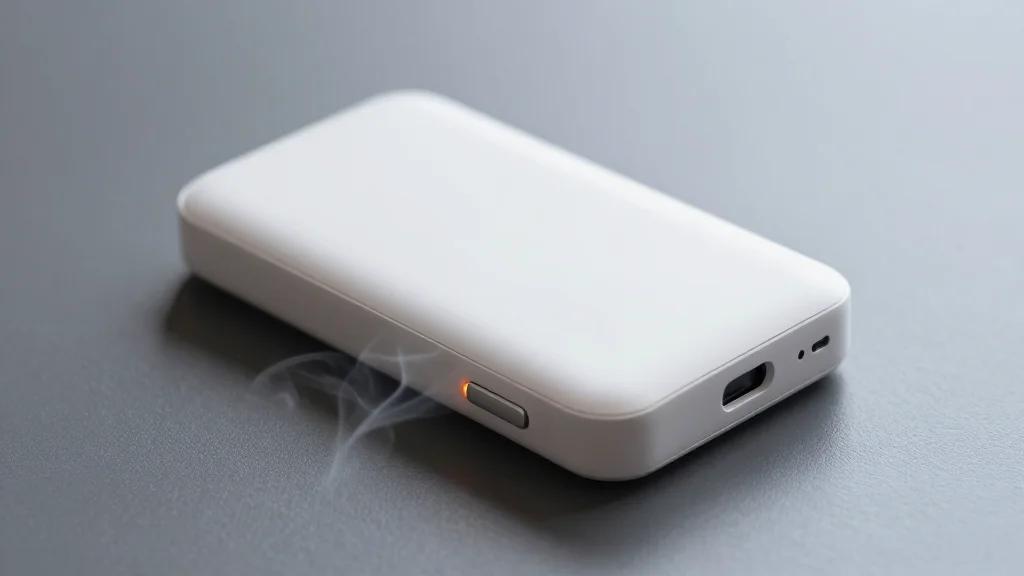
Casely Expands Recall to 429,000 Power Banks After Fatal Fire and Plane Incident

Companies Mentioned
Why It Matters
The recall highlights how product safety failures can cascade through e‑commerce supply chains, forcing platforms to act as de‑facto safety regulators. With millions of consumers purchasing electronics online, a single defective product can generate costly recalls, legal exposure, and erode trust in marketplace brands. The incident also pressures retailers to tighten pre‑market testing of lithium‑ion battery devices, potentially reshaping procurement policies and supplier contracts. For manufacturers, the expanded recall serves as a cautionary tale about the long‑term costs of design flaws. Casely’s experience may prompt other brands to invest more heavily in safety certifications and post‑sale monitoring, especially as wireless charging becomes ubiquitous. The broader market will watch how quickly e‑commerce platforms can remove hazardous items, a factor that could influence future consumer confidence and regulatory scrutiny.
Key Takeaways
- •Recall now covers about 429,000 Casely Power Pods 5000 mAh MagSafe chargers
- •28 new consumer reports added to the original 51, including one fatality
- •Chargers sold March 2022‑September 2024 for $30‑$70 on Casely site, Amazon, and other retailers
- •CPSC urges immediate cessation of use and free replacement via Casely’s portal
- •E‑commerce platforms must delist and notify customers, facing potential liability
Pulse Analysis
The Casely recall arrives at a moment when e‑commerce marketplaces are under increasing pressure to police product safety. Historically, platforms have relied on manufacturers to flag defects, but high‑visibility incidents like a fire on a commercial flight shift public expectations toward proactive oversight. Amazon and similar sites may now adopt stricter vetting algorithms for battery‑powered devices, integrating real‑time safety alerts from agencies like the CPSC.
From a competitive standpoint, brands that can demonstrate robust safety testing will gain a differentiator in a crowded market. Casely’s swift rollout of a free‑replacement program could mitigate brand damage, yet the recall’s scale may still depress sales of comparable wireless chargers, opening space for rivals with stronger safety records. Investors will likely scrutinize how quickly Casely can restore consumer confidence and whether the company will redesign its battery architecture.
Looking ahead, regulators may push for mandatory reporting of battery‑related incidents within set timeframes, compelling manufacturers to share data across the e‑commerce ecosystem. Platforms that build automated compliance tools—linking product SKUs to recall databases—could reduce recall latency and protect shoppers. The Casely episode thus serves as both a warning and a catalyst for tighter safety integration across the online retail value chain.
Casely expands recall to 429,000 power banks after fatal fire and plane incident
Comments
Want to join the conversation?
Loading comments...