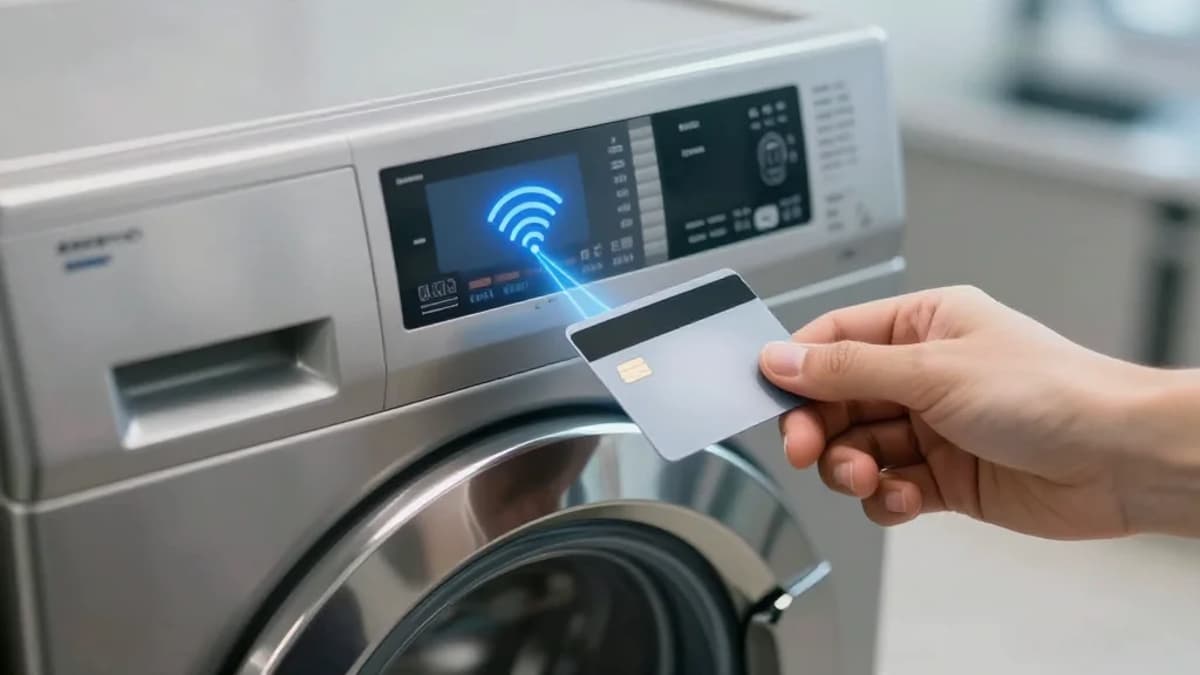
Cashless Payments Gain Ground at Self-Serve Laundries
•March 10, 2026
0
Companies Mentioned

Javelin Strategy & Research
Why It Matters
The shift accelerates operational efficiency and revenue growth for laundromat owners, while reshaping the traditional coin‑op business model across the industry.
Key Takeaways
- •Over 50% revenue now cashless
- •52.3% saw cashless rise in three years
- •Coins accepted by two‑thirds, but only 37% revenue
- •Mobile apps used by nearly half of laundries
- •Operators report 17‑22% revenue boost
Pulse Analysis
The coin‑op laundromat, once a staple of American neighborhoods, is undergoing a rapid digital transformation. Recent data reveal that more than half of self‑serve facilities generate most of their income through cashless channels, and over half of those offering digital options have seen a marked increase in usage within three years. This momentum reflects broader consumer expectations for frictionless payments and mirrors trends seen in other low‑ticket‑price sectors such as vending and parking. As mobile wallets and contactless cards become ubiquitous, laundries that cling solely to cash risk losing market share.
Beyond convenience, cashless systems unlock valuable operational insights. Transaction data allows owners to map peak usage times, tailor pricing, and launch targeted loyalty programs that were impossible with coin‑only models. Flexible pricing structures, such as time‑of‑day discounts, can now be programmed directly into the payment platform, encouraging off‑peak usage and smoothing demand. Additionally, eliminating coin handling reduces labor costs associated with collection, counting, and maintenance of bill changers, freeing staff to focus on customer service and facility upkeep.
Adoption does entail upfront investment—hardware, integration software, and per‑transaction fees ranging from 1.5% to 3.5%—yet many operators report a positive return on investment. Reported revenue gains of 17% to 22% stem from higher transaction volumes, reduced cash‑related losses, and the ability to upsell services through digital promotions. As prepaid cards and mobile apps become standard, the industry is likely to see further consolidation around cashless platforms, signaling the gradual sunset of the traditional coin‑op laundry model.
Cashless Payments Gain Ground at Self-Serve Laundries
0
Comments
Want to join the conversation?
Loading comments...