China’s E-Commerce Platforms Help Unlock Global Markets for South Korean Brands
Why It Matters
The collaborations give Korean brands instant access to China’s massive consumer base while mitigating currency‑related cost pressures, accelerating growth for the country’s cross‑border e‑commerce sector.
Key Takeaways
- •11street launched on JD Worldwide, showcasing 350 Korean brands.
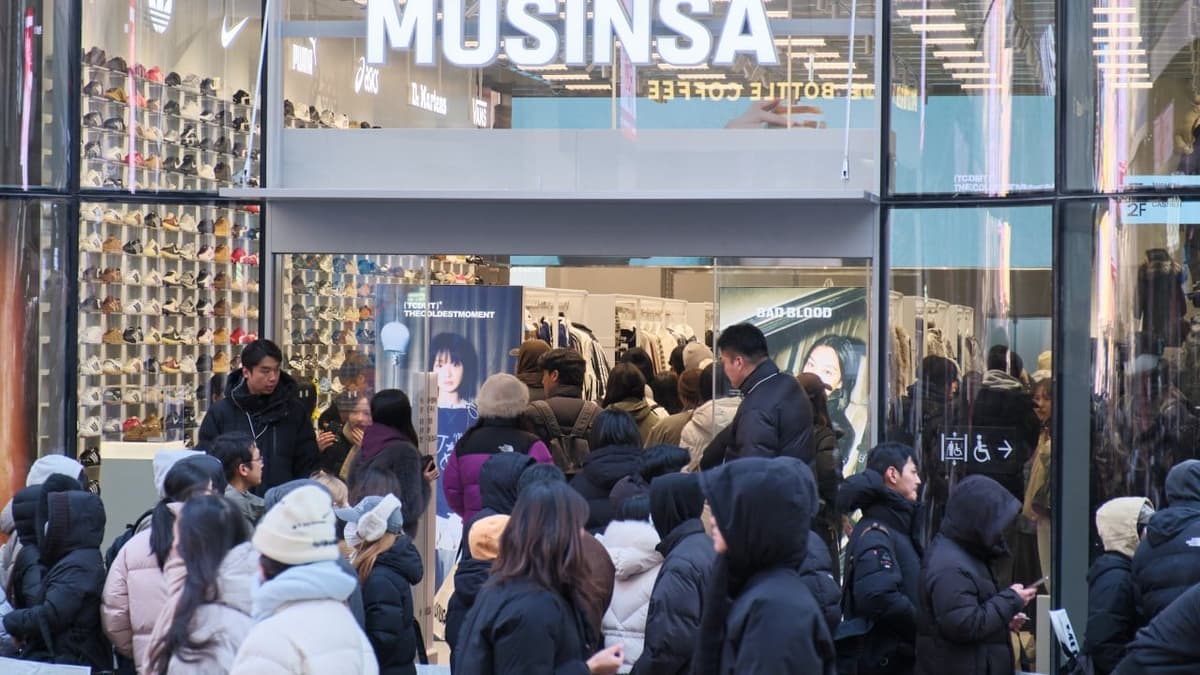
- •Musinsa partnered with Tmall Global to sell Korean fashion in China.
- •Q1 overseas e‑commerce sales hit 1.06 trillion won (~$700 bn).
- •China accounted for 376.3 billion won, largest foreign market for Korea.
- •Gmarket’s Lazada tie‑up drove 150% sales rise March vs January.
Pulse Analysis
The surge in demand for Korean cosmetics, fashion and food among Chinese consumers has turned cross‑border e‑commerce into a growth engine for South Korea. In the first quarter, Korean online sellers generated roughly $700 billion in overseas revenue, with China alone contributing about $280 million. This reflects a broader cultural wave—often called the "K‑beauty" and "K‑fashion" phenomenon—that has reshaped Chinese shopping habits and created a lucrative export pipeline for Korean brands.
To capitalize on this momentum, Korean platforms are bypassing the traditional route of setting up local subsidiaries and instead partnering with established Chinese marketplaces. JD Worldwide offers a turnkey storefront where logistics, marketing and payment processing are handled by the platform, allowing 11street to list 350 brands with minimal overhead. Musinsa’s alliance with Tmall Global mirrors this model for fashion, while Gmarket’s integration with Lazada unlocked Southeast Asian markets and sparked a 150% sales surge in March. These collaborations reduce capital outlay, streamline regulatory compliance, and grant immediate exposure to hundreds of millions of Chinese shoppers.
Strategically, the approach cushions Korean exporters against a weak won by shifting revenue generation abroad without heavy investment. It also diversifies market risk, as firms like Gmarket eye expansion into South Asia and Southern Europe via Alibaba‑owned platforms. As Chinese e‑commerce continues to dominate regional retail, Korean sellers that master these platform partnerships will likely capture a larger share of the $1.5 trillion Asian online market, setting a template for other export‑oriented economies.
China’s e-commerce platforms help unlock global markets for South Korean brands
Comments
Want to join the conversation?
Loading comments...