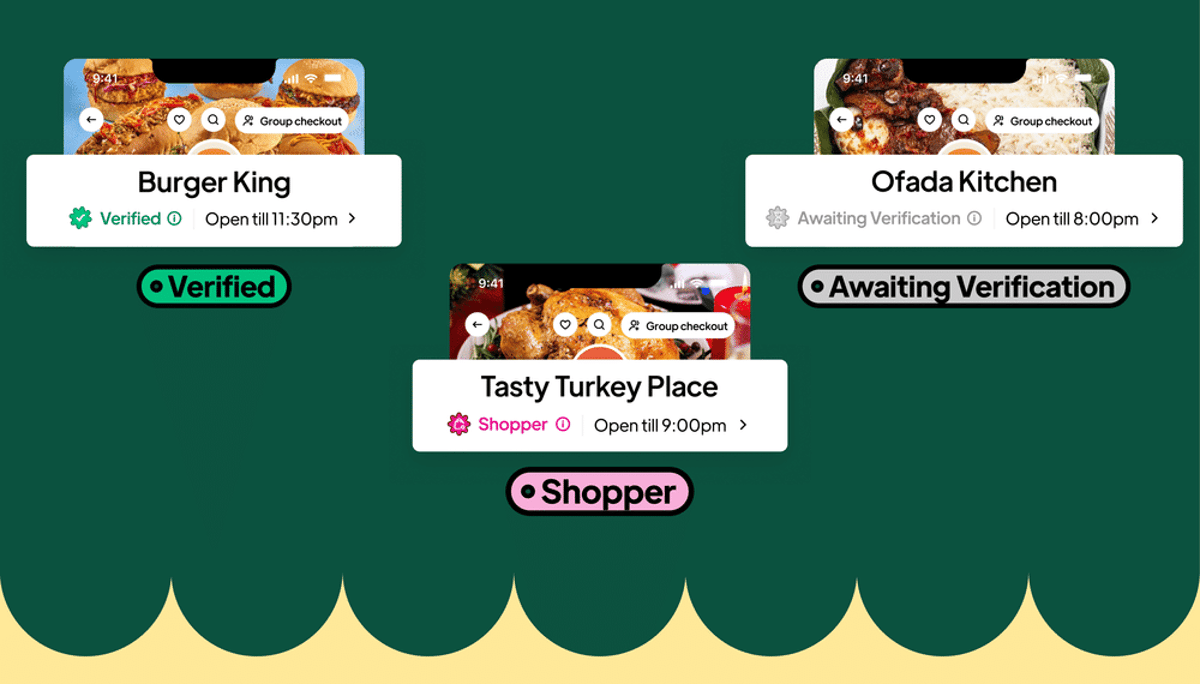
Chowdeck Adds Vendor Badges Weeks After Techpoint Africa Investigation Exposed Onboarding Gaps
Why It Matters
Visible verification badges aim to restore consumer trust and curb fraud, forcing delivery platforms in Nigeria to prioritize vendor transparency as regulators lag behind.
Key Takeaways
- •Verified badge indicates full CAC, TIN, ownership, address, banking checks
- •Awaiting Verification badge limits vendor access until documentation completes
- •Shopper badge shows orders fulfilled by Chowdeck‑hired shoppers, not direct partners
- •Techpoint Africa test exposed fake restaurant risk despite limited‑access safeguards
- •Regulatory gap pushes platforms to make verification visible to consumers
Pulse Analysis
Chowdeck’s introduction of vendor verification badges marks a strategic shift toward transparency in Nigeria’s fast‑growing food‑delivery market. After a Techpoint Africa probe revealed that a fabricated restaurant could slip through the onboarding process and complete an order, the platform now requires fully verified partners to submit Corporate Affairs Commission (CAC) registration, Tax Identification Number (TIN), ownership proof, physical address and banking details. By displaying Verified, Awaiting Verification, or Shopper status directly in the app, Chowdeck gives consumers a clear signal of a restaurant’s legitimacy, reducing the likelihood of fraud and impersonation.
The badge system also reshapes competitive dynamics among Nigerian delivery players. As Chowdeck tightens its verification pathways, rivals such as Jumia Food and Glovo face mounting pressure to adopt comparable transparency measures or risk losing user confidence. The move underscores a broader industry trend: platforms can no longer treat vendor vetting as a back‑office function invisible to end‑users. With the Federal Competition and Consumer Protection Commission and NAFDAC lacking explicit oversight of digital marketplaces, visible verification becomes a de‑facto safeguard, prompting regulators to consider formal guidelines for platform‑based vendor verification.
For consumers, the badges translate into tangible protection, especially given the modest financial threshold that previously allowed limited‑access vendors to operate after just ₦100,000 (≈ $217) in daily payouts. By flagging unverified or shopper‑mediated orders, customers can make informed choices and report suspicious activity more easily. Looking ahead, Chowdeck’s approach may catalyze industry‑wide standards, encouraging investment in verification partners like Mono and SmileID and fostering a more accountable ecosystem for online food ordering in Africa.
Chowdeck adds vendor badges weeks after Techpoint Africa investigation exposed onboarding gaps
Comments
Want to join the conversation?
Loading comments...