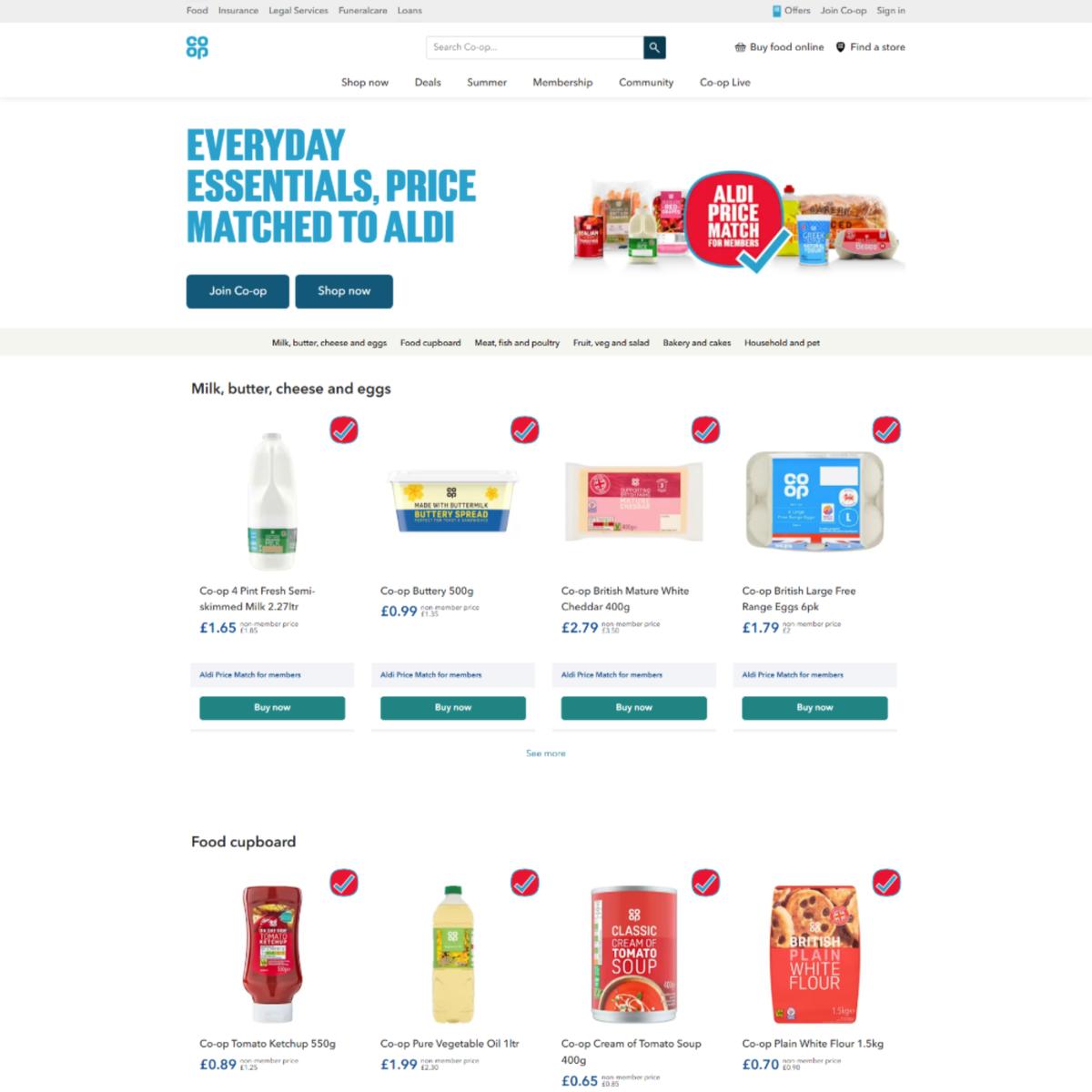
Co-Op Price-Match Ad Banned After Aldi Complaint
•February 4, 2026
0


Why It Matters
The decision forces Co‑op to revise its comparative advertising, reinforcing stricter scrutiny of price‑match claims and protecting consumer trust in a highly competitive grocery market.
Key Takeaways
- •ASA upheld one ruling, banning Co‑op ad.
- •Misleading “Everyday Essentials” claim deemed non‑compliant.
- •Two other complaints dismissed, ad considered understandable.
- •Co‑op must remove similar comparative ads.
- •Highlights scrutiny of price‑match advertising in UK.
Pulse Analysis
The ASA’s latest rulings underscore the growing regulatory focus on comparative advertising in the UK grocery sector. As retailers increasingly use price‑match schemes to lure cost‑conscious shoppers, the fine line between clear communication and misleading claims becomes critical. By rejecting Co‑op’s "Everyday Essentials" narrative, the watchdog highlighted that vague terminology can distort consumer expectations, especially when the advertised product range is not transparently disclosed. This outcome signals that advertisers must provide precise, verifiable comparisons, backed by robust data, to satisfy CAP Code requirements.
For Co‑op, the ruling presents both a compliance challenge and an opportunity to differentiate its value proposition. The retailer can leverage the incident to refine its messaging, ensuring that any future price‑match promotions clearly define eligible items and reference comparable products from competitors. Transparent terms not only mitigate regulatory risk but also enhance brand credibility among shoppers who are increasingly skeptical of promotional hype. In a market where Aldi, Lidl and other discount chains dominate on price, clear and trustworthy communication can be a decisive factor in retaining member loyalty.
Industry observers see the decision as a bellwether for how price‑match advertising will evolve across the sector. As competition intensifies, supermarkets may adopt more granular, category‑specific comparisons rather than broad, umbrella claims. This shift could drive greater data sharing between retailers and third‑party auditors to substantiate price parity. Ultimately, the ASA’s stance reinforces the principle that consumer protection remains paramount, urging retailers to balance aggressive marketing with honest, evidence‑based disclosures.
Co-op price-match ad banned after Aldi complaint
0
Comments
Want to join the conversation?
Loading comments...