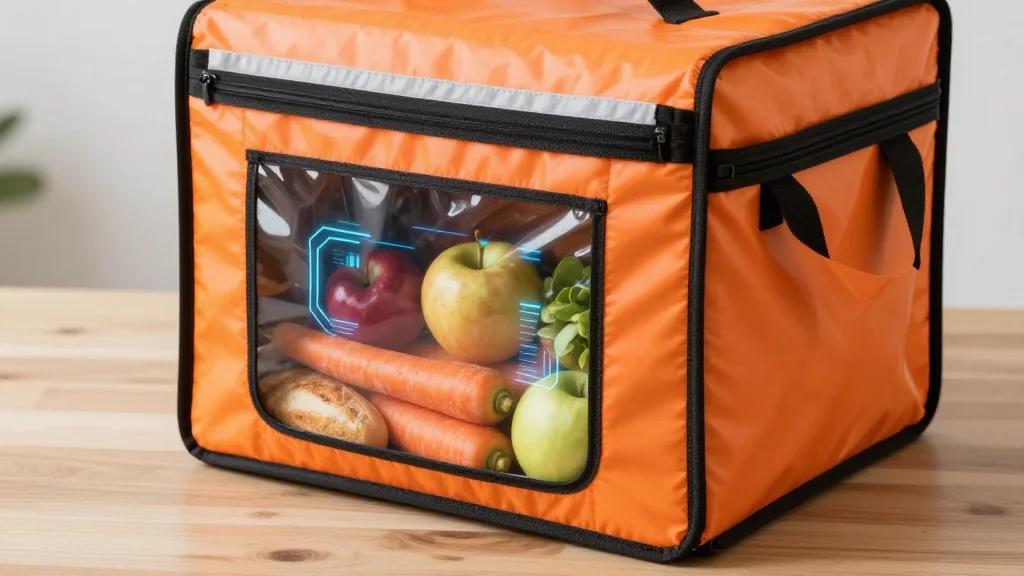
DoorDash Grocery Push Sparks 37% Marketplace Sales Surge

Companies Mentioned
Why It Matters
The 37% jump in DoorDash’s marketplace sales signals that grocery delivery is no longer a peripheral add‑on but a central growth pillar for on‑demand platforms. By converting discovery into reliable, full‑basket fulfillment, DoorDash is redefining the value proposition of delivery apps, forcing competitors to invest heavily in inventory visibility and AI‑driven logistics. If DoorDash can achieve its goal of making non‑restaurant orders account for the majority of its active user base, the company could capture a larger slice of the $1 trillion U.S. grocery market that is shifting online. The move also raises the stakes for retailers that rely on third‑party platforms, as they must align their inventory systems with the expectations set by AI‑enhanced fulfillment services.
Key Takeaways
- •Q1 marketplace gross order value rose to $31.6 billion, up 37% YoY.
- •DoorDash held the volume lead in grocery delivery through Q1 2026.
- •One in two new grocery‑delivery customers entered the market via DoorDash.
- •Two‑thirds of DoorDash’s code is now AI‑generated, powering catalog and support functions.
- •Goal to have 100% of monthly active users order beyond restaurants, up from 30%.
Pulse Analysis
DoorDash’s rapid grocery expansion illustrates a strategic pivot from pure restaurant delivery to a broader commerce platform. The 37% sales lift is not merely a seasonal uptick; it reflects a structural shift where consumers expect a single app to handle meals, groceries, and household essentials. By leveraging AI to automate cataloging and support, DoorDash reduces the friction that has traditionally plagued online grocery—out‑of‑stock alerts, inaccurate substitutions, and delayed fulfillment.
Historically, grocery delivery has been a fragmented space, with incumbents like Instacart focusing on partnerships and newer entrants relying on proprietary logistics. DoorDash’s advantage lies in its existing network of drivers and its data‑rich map of the physical retail landscape, which it has been building for six years. This asset moat makes it harder for pure‑play grocery platforms to scale without significant capital investment. However, the company’s reliance on AI also introduces risk: model drift or data quality issues could erode the very accuracy it touts as a differentiator.
Looking forward, the decisive factor will be how quickly DoorDash can scale its Dash Fulfillment Services beyond a handful of pilot partners. If the rollout succeeds, the platform could capture a larger share of the $1 trillion U.S. grocery market, turning a high‑growth, low‑margin vertical into a profit center by H2 2026. Competitors will likely respond with deeper integrations, price wars, and accelerated AI adoption, setting the stage for an intensified battle over the next‑generation of online commerce.
DoorDash Grocery Push Sparks 37% Marketplace Sales Surge
Comments
Want to join the conversation?
Loading comments...