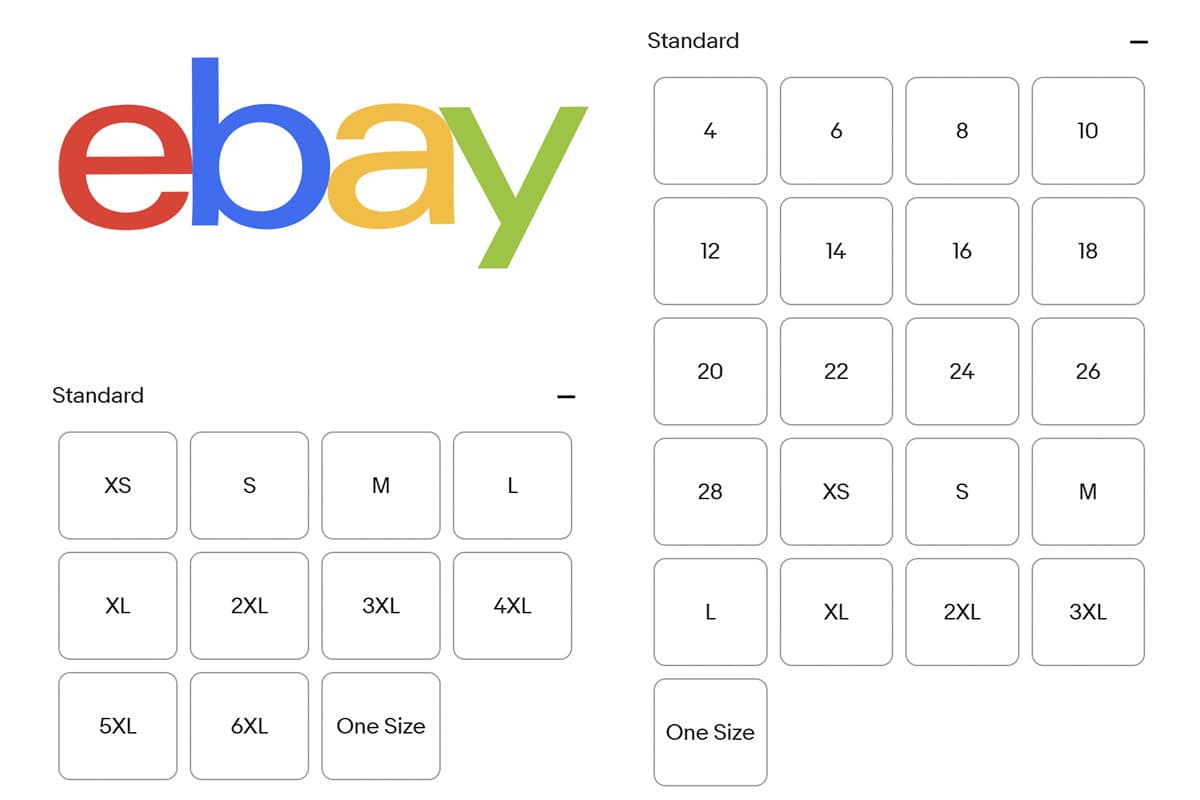
EBay Fashion Size Standardization to Roll Out
Why It Matters
Standardized size data enhances search visibility and filter accuracy, which can increase conversion rates and lower return volumes for sellers across eBay’s marketplace.
Key Takeaways
- •eBay will auto‑normalize high‑confidence sizes starting June 2026
- •Low‑confidence or custom sizes will be flagged and later blocked
- •Third‑party tools must align schemas to eBay’s standard values
- •Standardized sizes aim to boost search visibility and reduce returns
Pulse Analysis
Consistent product data has become a cornerstone of e‑commerce success, and eBay’s new size‑standardization initiative reflects that reality. By converting ambiguous descriptors like “Small” into a uniform “S” label, the platform reduces friction for shoppers who rely on filter‑based navigation. The move also addresses a long‑standing source of returns, as mismatched sizing information often leads to buyer disappointment. In an environment where marketplace trust drives repeat business, eBay’s effort to tighten data quality is a strategic play to retain both sellers and consumers.
The rollout follows a two‑phase timeline. In June 2026, eBay will automatically normalize high‑confidence size entries across listings submitted via APIs, File Exchange, and third‑party tools, while flagging low‑confidence values for seller review. By July, any new or existing listings lacking a standardized size—or containing invalid entries—will be blocked or placed on hold. Although immediate technical changes aren’t required, developers are encouraged to update their integration schemas to match eBay’s canonical size set, ensuring seamless future compliance and avoiding disruptions to inventory flow.
Industry‑wide, the initiative signals a shift toward stricter data governance on large marketplaces. Competitors such as Amazon and Walmart have already emphasized standardized attributes to improve algorithmic relevance and reduce operational costs tied to returns. eBay’s enforcement is likely to sharpen its search relevance, giving sellers better exposure for compliant listings while penalizing inconsistent data. Over time, the enhanced data fidelity could feed into richer analytics, enabling more precise demand forecasting and inventory optimization across the fashion vertical.
eBay Fashion Size Standardization to roll out
Comments
Want to join the conversation?
Loading comments...