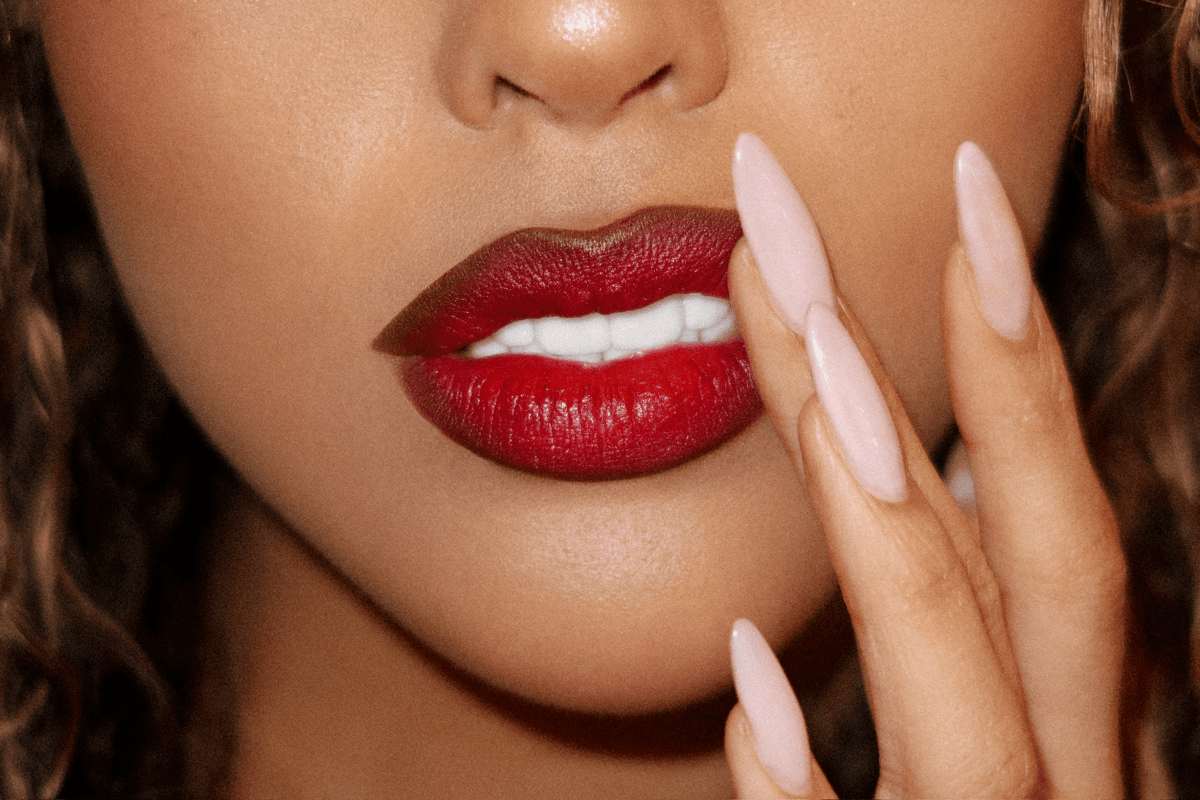
Exclusive: Mac and Depop Are Teaming up to Convert Gen Z to Buy Lipstick
•February 2, 2026
0
Companies Mentioned


Why It Matters
The partnership merges high‑street resale culture with traditional cosmetics, giving MAC a direct channel to influence Gen‑Z lipstick adoption while boosting Depop’s expansion into beauty. It signals a shift toward experiential, community‑driven marketing in a tightening beauty market.
Key Takeaways
- •Mac partners with Depop to reach Gen Z
- •Depop users receive free Mac lipstick with wardrobe purchases
- •Lipstick sales aim to revive bullet lipstick popularity
- •Depop active sellers up 40.8% YoY, buyers 38.8%
- •In‑store pop‑up offers co‑branded merch and samples
Pulse Analysis
The resale economy has become a cultural hub for Gen‑Z, with platforms like Depop reporting a 40.8% year‑over‑year rise in active sellers and a 38.8% jump in buyers. This surge reflects a broader shift toward circular consumption, where shoppers seek affordability, individuality, and the social cachet of curating personal style. By embedding a beauty brand within this ecosystem, MAC leverages Depop’s community‑first ethos, turning a transactional marketplace into a discovery channel for cosmetics that resonates with youth culture.
For MAC, the challenge is twofold: reviving interest in traditional bullet‑style lipsticks and reasserting relevance in a market dominated by glosses and liners. Influencer‑driven wardrobe drops, paired with free lipstick incentives, create a tactile link between fashion and makeup, encouraging Gen‑Z consumers to experiment with bold color palettes. The collaboration also taps into MAC’s recent celebrity ambassador strategy, extending its cultural relevance beyond runway looks to everyday self‑expression on a platform where style is already being exchanged.
Financially, the initiative could help offset a 1% decline in MAC’s makeup division reported in Estée Lauder’s Q1 2026 earnings. By positioning lipstick as a must‑have accessory within the resale narrative, MAC aims to boost unit sales and re‑engage younger shoppers who might otherwise gravitate toward indie brands. If successful, the model may inspire other legacy cosmetics houses to pursue similar cross‑industry partnerships, blending experiential retail with digital resale to capture the next wave of beauty spenders.
Exclusive: Mac and Depop are teaming up to convert Gen Z to buy lipstick
0
Comments
Want to join the conversation?
Loading comments...