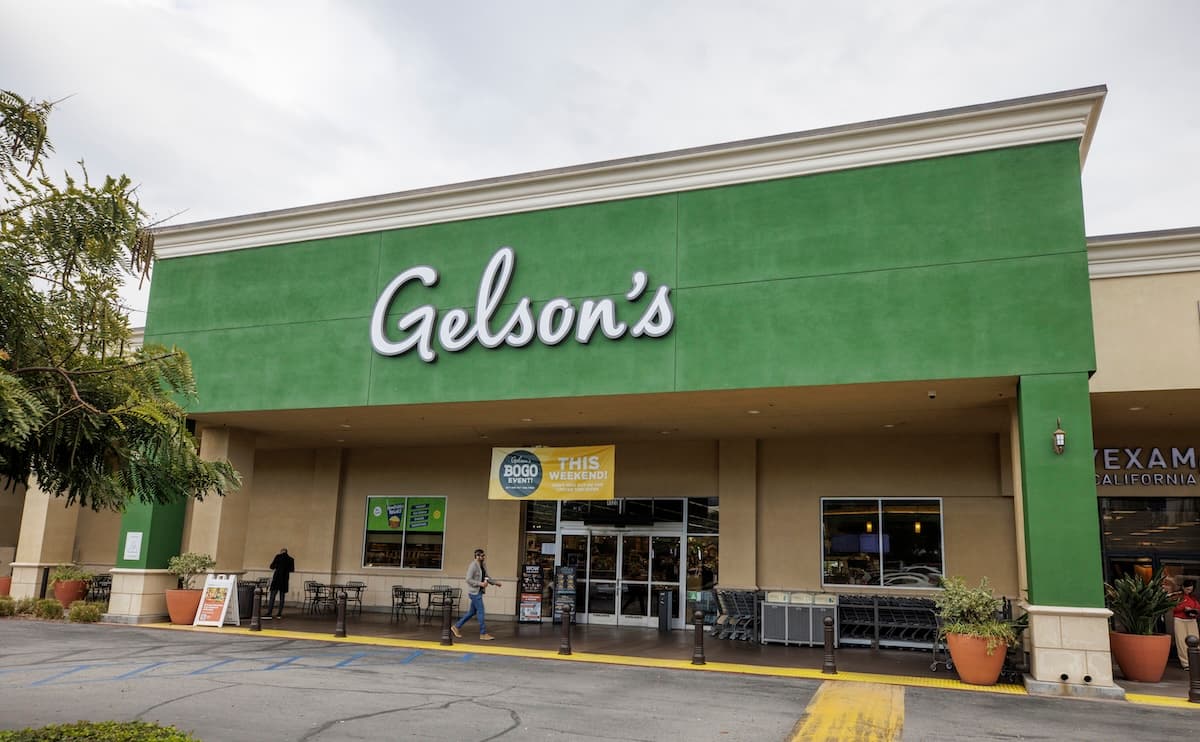
Flashfood Expands to All Gelson’s
Why It Matters
The broader rollout scales a proven food‑waste reduction model, delivering affordable nutrition to a market grappling with rising food insecurity while enhancing Gelson’s sustainability credentials.
Key Takeaways
- •Flashfood’s $9 boxes sold 1,000+ units, 10,000 lbs produce since Nov.
- •Expansion covers 26 Gelson’s stores across Los Angeles, Orange, Ventura, San Diego.
- •Program targets food‑insecurity and sustainability amid rising demand in Southern California.
- •Future boxes will include meat and dairy, diversifying surplus offerings.
- •Success may spur similar collaborations with other premium grocery chains.
Pulse Analysis
Flashfood Inc., a Toronto‑based mobile marketplace, has turned surplus grocery inventory into affordable $9 boxes for consumers. By partnering with more than 2,000 retailers across North America, the platform rescues edible food that would otherwise head to landfills, reducing waste while offering price‑sensitive shoppers fresh produce. The company’s recent rollout in Los Angeles began with six Gelson’s Markets locations, where demand quickly outpaced supply. Within a few months, shoppers claimed over 1,000 boxes, amounting to roughly 10,000 pounds of rescued produce, prompting the brand to accelerate its Southern California presence.
The expansion taps a market where food insecurity remains stubbornly high despite modest improvements. A December study from USC’s Dornsife College reported that low‑income households in Los Angeles still face a 35 % insecurity rate, while even middle‑income residents report rising concerns. The timing coincides with California’s peak produce season and a recent SNAP pause caused by a federal shutdown, which drove more consumers to seek low‑cost alternatives. Flashfood’s model not only supplies affordable nutrition but also aligns with the city’s growing sustainability ethos, appealing to health‑conscious, environmentally aware shoppers.
Industry observers see Flashfood’s full‑gelson rollout as a bellwether for premium grocery chains embracing circular‑economy initiatives. By integrating surplus‑food logistics into existing supply chains, retailers can offset waste‑disposal costs and enhance brand perception among eco‑savvy consumers. The addition of meat and dairy boxes signals a broader inventory diversification, potentially unlocking higher margins. Investors are watching the partnership closely, as scaling such platforms could generate recurring revenue streams while meeting ESG criteria. If the Southern California model proves replicable, we may see similar collaborations in other high‑cost urban markets nationwide.
Flashfood Expands to All Gelson’s
Comments
Want to join the conversation?
Loading comments...