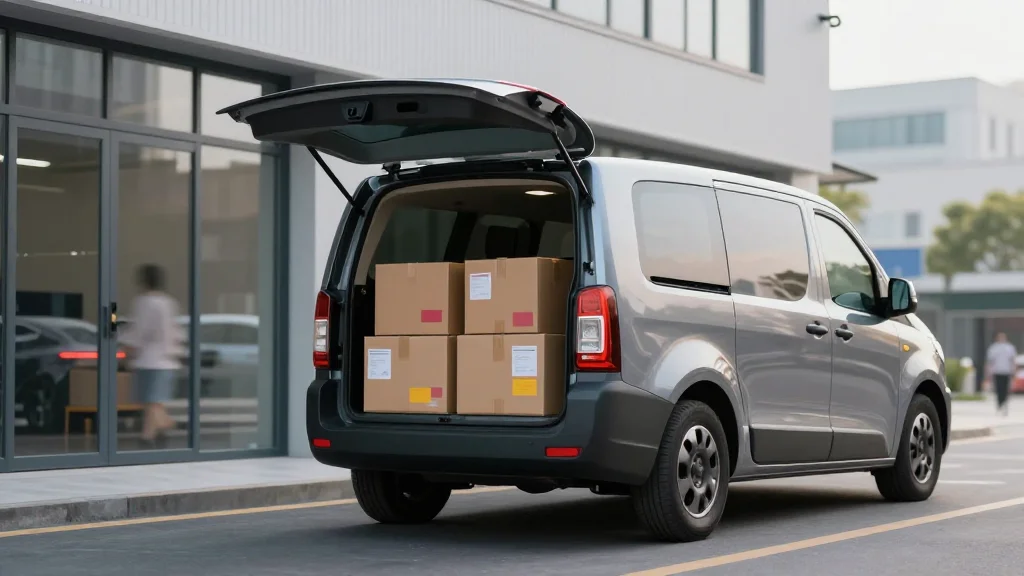
Flipkart Expands Across Tier-2 and Tier-3 Cities, Targets 1,500+ Dark Stores by 2026
Why It Matters
The expansion deepens Flipkart’s reach into smaller Indian markets, boosting order density and pressuring rivals to scale their own quick‑commerce networks. Faster delivery capabilities in Tier‑2/3 cities can capture higher consumer spend and lock in market share ahead of the holiday season.
Key Takeaways
- •Flipkart aims >1,500 dark stores by 2026, adding 800 this year
- •Current dark store count: 750‑850, spread across Tier‑2/3 cities
- •Setup cost per store: Rs 45‑60 lakh (~$48k‑$64k)
- •Mature stores need 1,400‑1,500 daily orders to break even
- •Competitors: Amazon ~450 stores; Blinkit 2,100; Swiggy & Zepto ~1,150 each
Pulse Analysis
India’s e‑commerce landscape is entering a hyper‑local phase, and Flipkart’s aggressive dark‑store rollout underscores that shift. By planting fulfillment hubs in Tier‑2 and Tier‑3 cities such as Rohtak, Muzaffarpur, and Arrah, the company reduces last‑mile delivery times to under an hour, a critical differentiator for price‑sensitive Indian shoppers. The modest capital outlay—roughly $48,000 to $64,000 per store—makes rapid scaling financially viable, especially as each mature outlet can handle up to 1,500 orders daily, achieving profitability at an average basket size of $5.5.
The strategic partnership model further amplifies Flipkart’s speed to market. Rather than building in‑house logistics, the retailer leans on third‑party operators and franchise‑style specialists to manage store setup and day‑to‑day operations. This asset‑light approach mirrors global trends where platforms outsource fulfillment to agile partners, allowing them to focus on technology, marketing, and data analytics. As a result, Flipkart can quickly adapt to regional demand spikes while keeping fixed costs low, a competitive edge over rivals still consolidating their own logistics networks.
Competitive pressure is intensifying. Amazon’s dark‑store count hovers around 350, with an additional 120 in the pipeline, while Blinkit already runs over 2,100 stores and plans 900 more by 2027. Swiggy’s Instamart and Zepto sit in the 1,100‑1,200 range. Flipkart’s target of 1,500 stores positions it between Amazon’s modest footprint and Blinkit’s expansive network, promising a stronger presence in underserved markets. The race to dominate quick‑commerce in India’s smaller cities will likely dictate market share gains ahead of the 2026 holiday season, making the dark‑store battle a pivotal front for all major players.
Flipkart expands across Tier-2 and Tier-3 cities, targets 1,500+ dark stores by 2026
Comments
Want to join the conversation?
Loading comments...