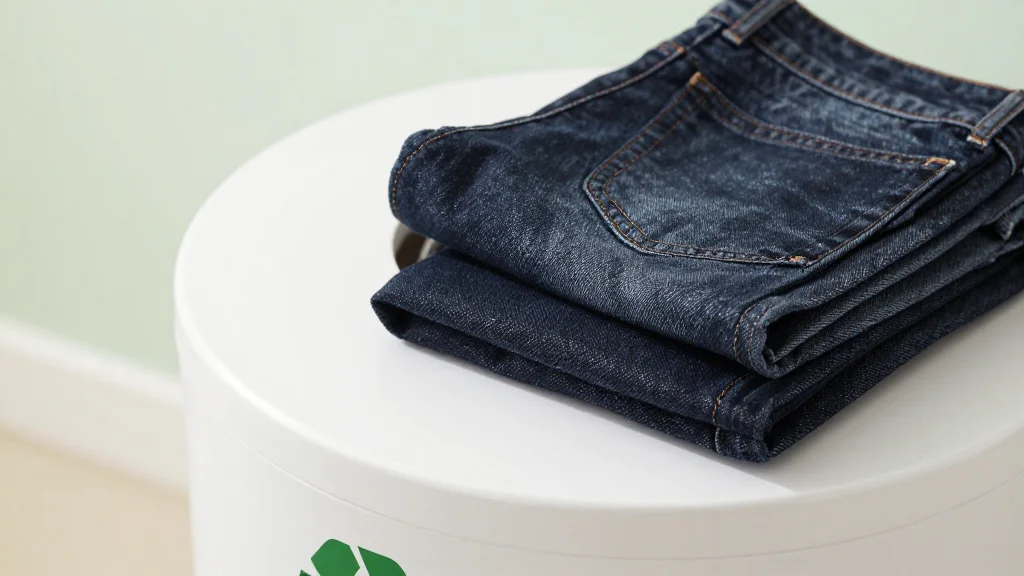
Flipkart Extends Recommerce Model to Fashion with Denim Take-Back Scheme
Why It Matters
The initiative demonstrates how major online retailers can embed circular‑economy models into high‑volume categories, potentially diverting significant waste from landfills while creating new revenue streams. It also sets a benchmark for industry‑wide adoption of scalable resale and recycling infrastructure in India’s fashion market.
Key Takeaways
- •Flipkart Reset launches “Swap on Jeans” denim exchange program.
- •Expansion covers 260+ pin codes in Delhi NCR and Bengaluru.
- •Customers receive instant credit toward new purchases for returned denim.
- •Program leverages Flipkart’s last‑mile network for doorstep collection.
- •Targets diversion of India’s 7 million‑tonne annual textile waste.
Pulse Analysis
India generates over 7 million tonnes of textile waste each year, with post‑consumer disposal accounting for roughly 60 percent. Much of this material ends up in informal collection channels that lack the capacity to sort, grade, and recycle fabrics efficiently, leading to low landfill diversion rates. The fragmented nature of the waste stream hampers manufacturers seeking recycled inputs, while municipalities grapple with mounting landfill pressures. Addressing these systemic gaps requires organized, technology‑enabled collection mechanisms that can guarantee material quality and traceability.
Flipkart’s “Swap on Jeans” leverages its extensive last‑mile logistics to turn every delivery into a collection point for used denim. Shoppers can exchange old jeans at the moment they receive a new order, instantly earning credit toward the purchase. Returned items are then funneled to vetted partners who assess condition, separate reusable pieces, and process the rest for recycling or up‑cycling. By scaling from a Bengaluru pilot to over 260 pin codes in Delhi NCR and Bengaluru, the program demonstrates how e‑commerce platforms can embed circular‑economy incentives directly into the consumer journey, driving higher participation rates than voluntary drop‑off schemes.
The broader implication for the Indian e‑commerce sector is profound. As platforms like Flipkart embed recommerce into core operations, they not only reduce environmental footprints but also unlock new profit centers through resale and material recovery. Competitors are likely to follow suit, accelerating the development of standardized textile‑recovery infrastructure and potentially influencing policy toward stricter waste‑management regulations. For brands, the availability of certified recycled denim could lower raw‑material costs and support sustainability pledges, while consumers gain a convenient, value‑backed pathway to participate in the circular economy.
Flipkart Extends Recommerce Model to Fashion with Denim Take-Back Scheme
Comments
Want to join the conversation?
Loading comments...