Follett Is Making a Bigger Push Into Private-Label Merch at Its College Bookstores
•January 29, 2026
0
Why It Matters
The shift boosts margins and differentiates campus retail while offering students affordable, branded options, reducing reliance on external vendors. It reflects a broader industry trend of leveraging private labels for higher profit and tighter control of the shopper experience.
Key Takeaways
- •Targeting 20‑25% private‑label share across stores
- •Cameron J apparel in 190 stores, generating millions
- •Campus United T‑shirts achieving double‑digit comparable growth
- •Retail partners include Bath & Body Works, IKEA, Lululemon
- •Future private‑label categories: drinkware, home décor, school supplies
Pulse Analysis
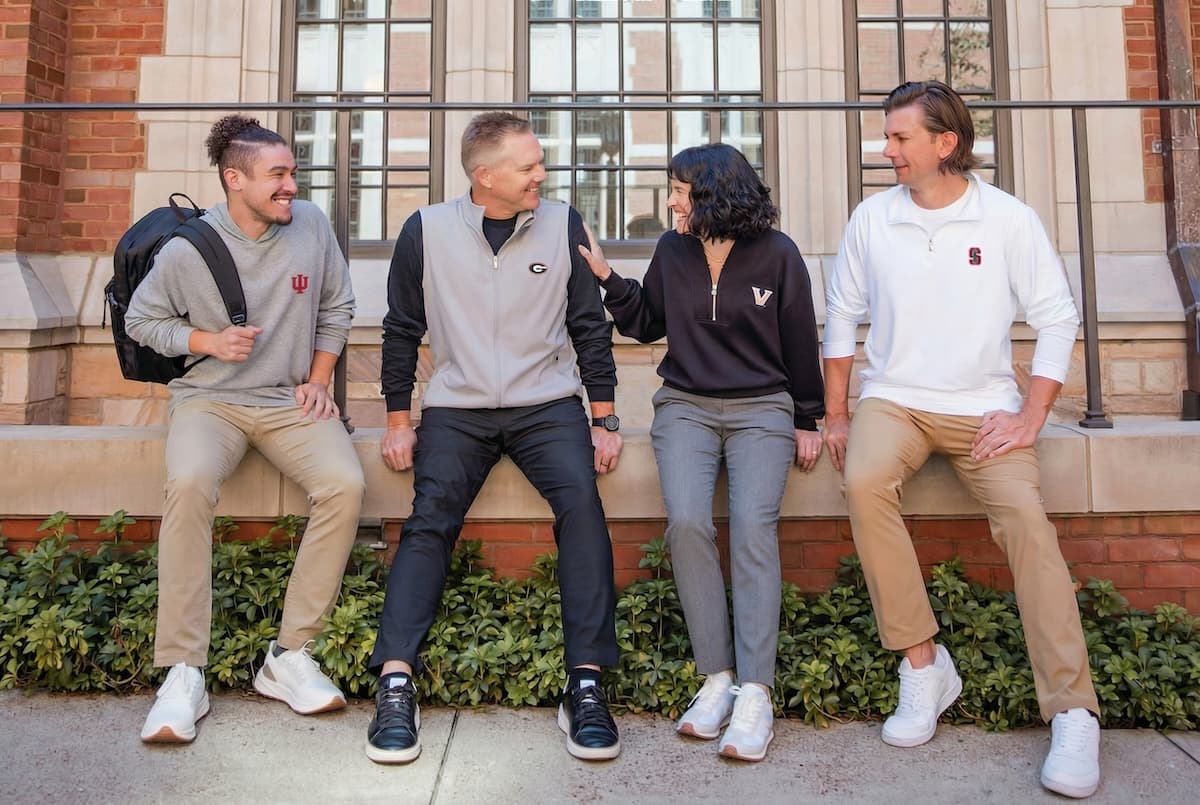
Private‑label merchandise has become a growth engine for retailers seeking higher margins and brand control, and Follett is tapping that momentum within the college market. By focusing on apparel—a category with perceived "white space"—the company introduced Cameron J, a performance‑oriented line that quickly spread to 190 campuses and delivered multi‑million dollar revenues. The earlier Campus United brand’s double‑digit comparable growth demonstrates that students respond well to affordable, campus‑specific designs, giving Follett a proven template for expanding its own label portfolio.
Follett’s strategy balances partnerships with established national brands and an aggressive push into its own products. Carrying names like Bath & Body Works, IKEA, Lululemon, and The Container Store draws foot traffic and adds credibility, yet private‑label items promise superior gross margins and the ability to fill price gaps that premium partners cannot. For cost‑conscious students, Follett’s own apparel and future categories such as drinkware and school supplies provide value without sacrificing style, positioning the retailer as both a convenience hub and a curated campus lifestyle destination.
Looking ahead, Follett’s goal of 20‑25% private‑label assortment signals a deeper transformation of campus retail. Expanding into drinkware, home décor, and school supplies will diversify revenue streams and reduce dependence on external vendors, while data from its extensive store network can inform product development tailored to regional student preferences. If successful, Follett could set a benchmark for other education‑focused retailers, illustrating how private‑label initiatives can drive profitability, brand loyalty, and a differentiated shopping experience in a traditionally low‑margin sector.
Follett is making a bigger push into private-label merch at its college bookstores
0
Comments
Want to join the conversation?
Loading comments...