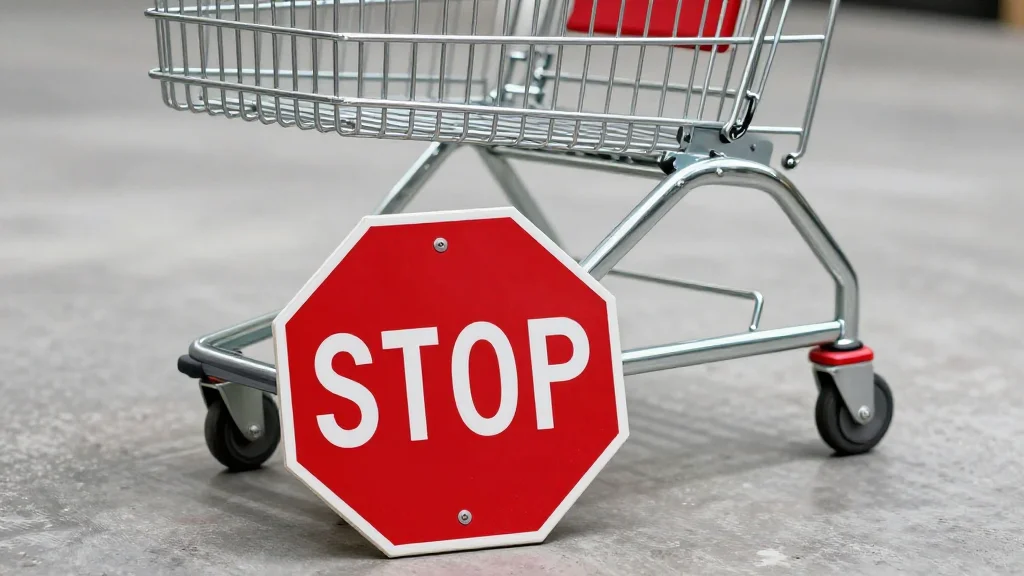
Friction‑Maxxing Tactics Target Impulse Buying on E‑Commerce Sites

Companies Mentioned
Why It Matters
Impulse purchases inflate average order values but also generate high return rates and customer dissatisfaction. By embedding friction‑maxxing into checkout flows, retailers can reduce post‑purchase regret, lower return processing costs, and improve brand trust. For consumers, the tactics translate into tangible savings—potentially hundreds of dollars per year—while reinforcing disciplined spending habits. Beyond individual wallets, the broader market may see a recalibration of conversion metrics. If friction becomes a standard design element, success will be measured not just by immediate sales but by long‑term customer health and lifetime value. This could drive a new wave of fintech‑e‑commerce partnerships focused on responsible spending tools.
Key Takeaways
- •14% of shoppers buy within a minute of seeing an ad; 85% later regret the purchase (Investopedia)
- •Empeople Credit Union recommends deleting saved payment info and adding 24‑hour holds
- •NerdWallet writer cut impulse spend by $300 in one month by blocking shopping apps
- •Yahoo Finance notes small per‑purchase frictions can add up to thousands of dollars annually
- •Potential shift in e‑commerce design from frictionless to intentional checkout experiences
Pulse Analysis
The friction‑maxxing trend marks a subtle but profound pivot in e‑commerce strategy. Historically, platforms have optimized every pixel to shave seconds off the checkout, believing that any friction equals lost revenue. The new data‑driven narrative flips that assumption, suggesting that a modest increase in checkout time can actually protect the bottom line by reducing returns and fostering brand loyalty. Early adopters who experiment with optional “pause” features may discover a sweet spot where conversion dip is offset by higher customer satisfaction and lower churn.
From a competitive standpoint, fintech firms are uniquely positioned to capitalize on this shift. By embedding budgeting alerts, delayed‑payment options, or even AI‑driven spend‑impact scores directly into the cart, they can become indispensable partners for retailers seeking to demonstrate social responsibility. This could spawn a new category of “responsible checkout” services, akin to the rise of buy‑now‑pay‑later platforms a few years ago.
Looking ahead, the success of friction‑maxxing will hinge on consumer education and transparent communication. If shoppers understand that a brief pause is a safeguard rather than a barrier, the psychological resistance to added steps will diminish. Retailers that can frame friction as a value‑add—perhaps through gamified savings dashboards—will likely lead the next wave of sustainable e‑commerce growth.
Friction‑Maxxing Tactics Target Impulse Buying on E‑Commerce Sites
Comments
Want to join the conversation?
Loading comments...