How Retailers Are Building More Resilient Delivery Networks in 2026
Why It Matters
Diversifying delivery networks gives retailers control over costs and service levels, directly influencing conversion rates and repeat business in a hyper‑competitive e‑commerce landscape.
Key Takeaways
- •Legacy carriers' domestic share fell from 85% to 61% by 2025.
- •U.S. parcel volume projected to hit 30.5 billion shipments by 2030.
- •Airlines like Delta launch zone‑free, end‑to‑end tracked parcel services.
- •Retailers prioritize carrier diversification, cost predictability, and real‑time visibility.
Pulse Analysis
The e‑commerce boom is reshaping America’s logistics backbone. With global online sales projected to exceed $8 trillion in 2026 and cross‑border revenue expected to account for up to 30% of that spend, the sheer volume of parcels strains traditional carrier models. Legacy providers, once handling 85% of domestic shipments, now command just 61%, as retailers turn to regional players and innovative platforms to fill the gap for lighter, faster deliveries. This shift is not merely tactical; it reflects a strategic response to rising transportation costs, volatile tariff regimes, and consumer demand for same‑day or next‑day service.
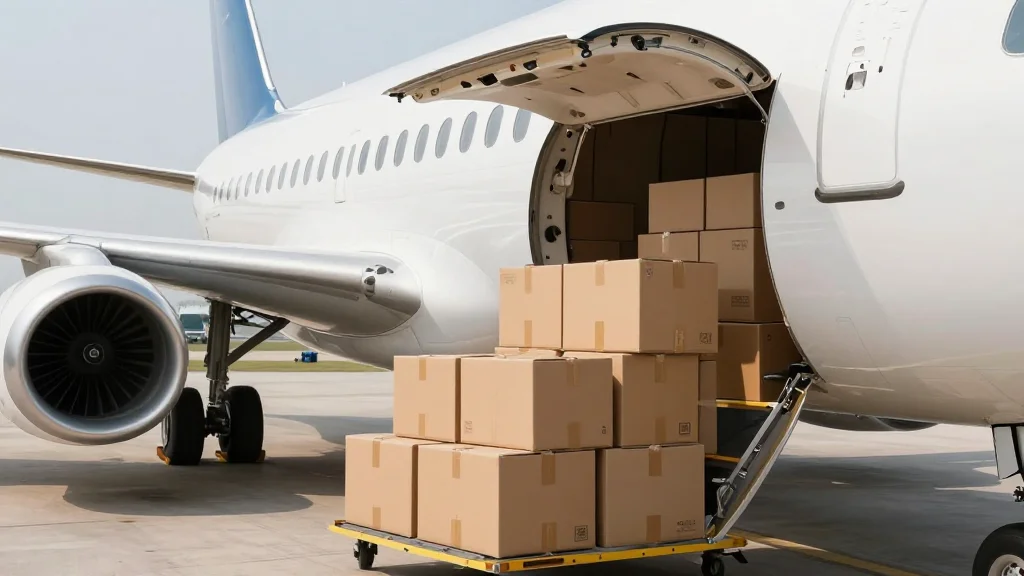
Airlines are capitalizing on this disruption by converting belly‑hold space into a high‑margin logistics channel. Delta’s DeliverDirect leverages over 2,500 daily flights to move small parcels nationwide without zone‑based surcharges, offering merchants a transparent, all‑in price point. Across the Atlantic, IAG Cargo’s deliver‑e extends the model globally, linking more than 250 destinations via 12,000 weekly flights and compressing cross‑border transit to three‑to‑six days. Both services integrate digital customs filing and real‑time tracking, delivering the speed and visibility that shoppers now expect while reducing the cost unpredictability that has plagued e‑commerce supply chains.
For retailers, the emerging multi‑carrier ecosystem is a competitive lever. By blending traditional carriers, regional specialists, and airline cargo, brands can hedge against capacity spikes, negotiate better pricing, and maintain tighter control over the customer experience. Carriers, in turn, must evolve—offering transparent pricing structures and flexible service tiers—to retain relevance. As parcel volumes continue to climb toward 30.5 billion annually by 2030, the firms that master this diversified, data‑rich delivery network will secure the loyalty and margins essential for long‑term growth.
How retailers are building more resilient delivery networks in 2026
Comments
Want to join the conversation?
Loading comments...