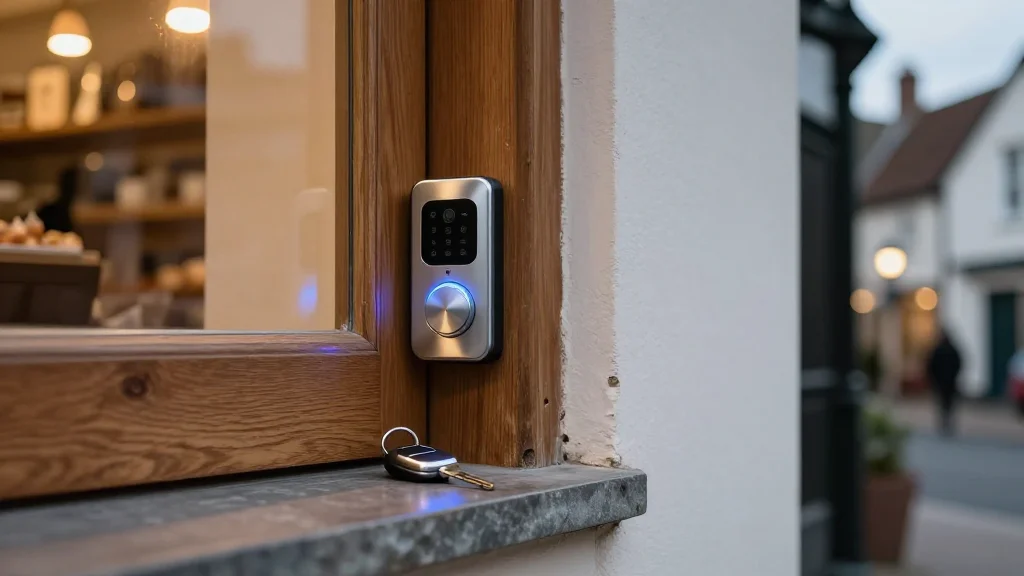
Hybrid Village Stores Launch in Rural Germany to Stem Retail Decline and Far‑Right Rise

Why It Matters
Hybrid village stores illustrate how digital access can revitalize declining rural retail, preserving community hubs while cutting operating costs. By keeping local shops open around the clock, the model may reduce the logistical burden of home delivery in sparsely populated areas, offering a scalable last‑mile solution for ecommerce firms. Politically, sustaining these stores could blunt the appeal of extremist parties that thrive on perceived neglect, linking economic resilience to social stability. If the pilot proves profitable, it could trigger a wave of similar initiatives across Europe, reshaping how ecommerce platforms approach low‑density markets. The blend of physical presence and digital self‑service may become a new standard for serving customers who value immediacy but live far from traditional retail centers.
Key Takeaways
- •Rhineland‑Palatinate launched the first hybrid village stores in December, allowing 24/7 self‑service via electronic fob access.
- •Shop manager Irmtraut Ehtechame cited energy price hikes and a €13.90 ($15.15) minimum‑wage increase as key pressures on profitability.
- •No thefts or vandalism reported during unstaffed hours, indicating security system effectiveness.
- •Pilot aims to counter far‑right AfD growth, which captured nearly 20% of the state vote in March.
- •State plans to expand to 30 villages by 2027 if profitability improves, offering a potential model for rural ecommerce.
Pulse Analysis
The hybrid village store experiment is a pragmatic response to the twin challenges of rural depopulation and the rise of far‑right politics. By leveraging modest digital infrastructure—electronic fobs, security cameras, and contactless payment—the model reduces labor costs while preserving the social function of the village shop. This is a departure from the typical ecommerce playbook that focuses on scale and centralised fulfilment; instead, it decentralises the point of sale, turning each shop into a micro‑fulfilment hub.
Historically, German villages relied on Tante‑Emma shops for daily necessities and community interaction. Their erosion has left a vacuum that supermarkets and online retailers have struggled to fill due to high delivery costs and limited product ranges. Hybrid stores fill that gap by offering the immediacy of a brick‑and‑mortar outlet with the convenience of digital access, potentially reshaping last‑mile logistics. For ecommerce platforms, partnering with such stores could provide a cost‑effective network of pick‑up points, especially in regions where traditional delivery is uneconomic.
Politically, the initiative underscores how economic interventions can serve as soft power tools against extremist narratives. If residents see tangible improvements in local services, the perceived neglect that fuels far‑right support may diminish. The success of this pilot could inspire similar programmes across Europe, where rural retail decline and political polarization often intersect. However, scalability hinges on replicating the security and community trust achieved in Seibersbach, and on ensuring that the digital infrastructure remains affordable for small shop owners.
Overall, hybrid village stores could become a template for a new class of rural ecommerce—one that blends physical presence, community value, and digital convenience to sustain markets that were previously deemed unprofitable.
Hybrid Village Stores Launch in Rural Germany to Stem Retail Decline and Far‑Right Rise
Comments
Want to join the conversation?
Loading comments...