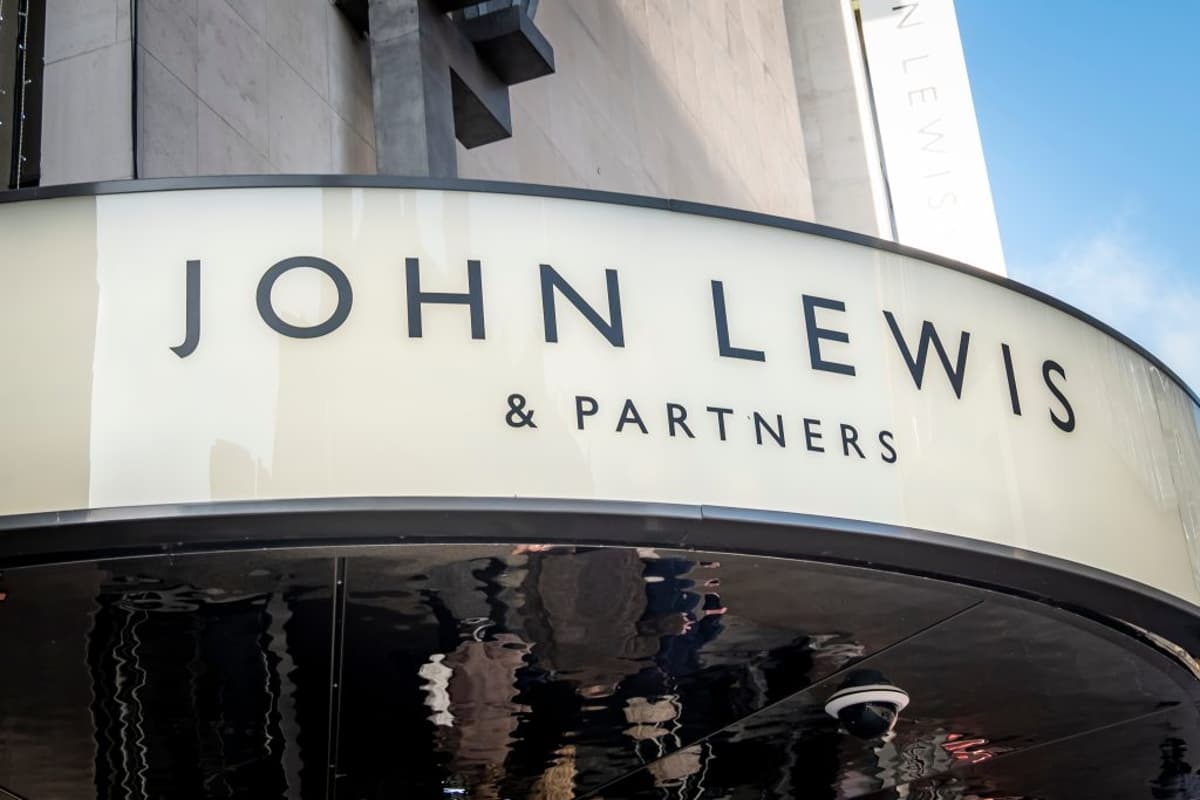
John Lewis Tops UK Retail Customer Satisfaction League Table
•January 20, 2026
0
Companies Mentioned
Why It Matters
High satisfaction scores signal stronger brand loyalty and can translate into repeat purchases, boosting retailer margins. The data also highlights service‑centric strategies as a growth lever for the broader UK retail market.
Key Takeaways
- •John Lewis leads retailers with 86.4 UKCSI score
- •Overall UK satisfaction climbs to 78.2 points
- •First Direct remains top overall at 87.0
- •All 13 sectors report higher satisfaction year‑on‑year
- •Service quality now primary competitive advantage
Pulse Analysis
The UK Customer Satisfaction Index, produced by the Institute of Customer Service, has become a benchmark for gauging how well businesses meet consumer expectations across the economy. By surveying thousands of shoppers across 13 sectors, the UKCSI offers a granular view of sentiment trends, revealing that even in a period of macro‑economic uncertainty, customers are increasingly rewarding firms that deliver reliable, on‑time experiences. This year’s data shows a modest but meaningful rise in overall satisfaction, suggesting that consumers are regaining confidence in the marketplace.
John Lewis’s performance stands out not only for its top‑retailer ranking but also for its ability to sustain a high score of 86.4 amid fierce competition. The department store’s emphasis on seamless omnichannel service, proactive issue resolution, and staff empowerment aligns with the Institute’s finding that “service is the differentiator.” By consistently meeting its service promise, John Lewis is converting satisfaction into loyalty, a critical advantage as shoppers become more selective about where they spend amid lingering economic concerns.
For the wider retail sector, the UKCSI results reinforce the strategic imperative of investing in customer experience. Brands that prioritize service excellence can expect stronger trust, higher repeat purchase rates, and ultimately better financial performance. As the next six months will test whether these gains hold, retailers should double down on training, technology, and feedback loops to maintain momentum, ensuring that service remains a sustainable competitive edge in a market where consumer optimism is cautiously rising.
John Lewis tops UK retail customer satisfaction league table
0
Comments
Want to join the conversation?
Loading comments...