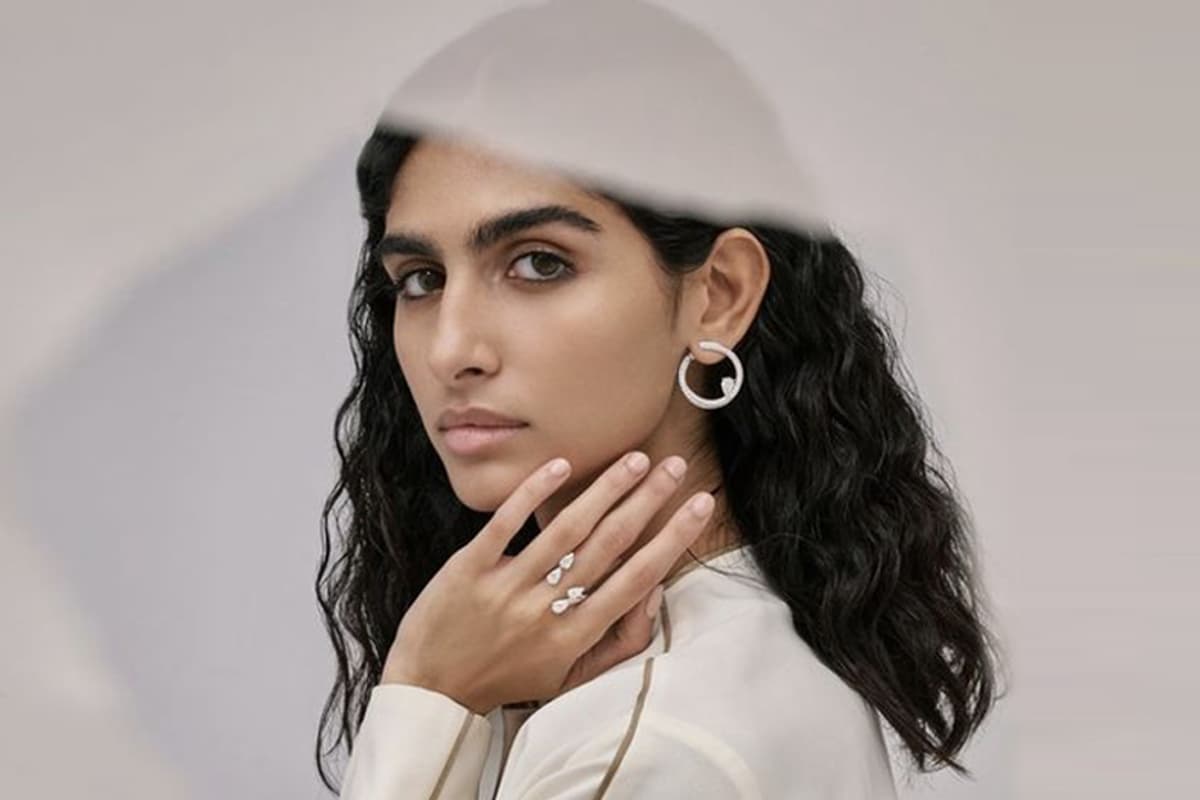
Luxury Briefing: Inside LMVH’s ‘Quiet Opulence’ Jewelry Brand, as Jewelry Outpaces Luxury
•January 30, 2026
0
Why It Matters
The shift underscores jewelry’s resilience and higher margins, prompting luxury conglomerates to prioritize gem‑based portfolios and digital creator strategies to capture affluent spenders.
Key Takeaways
- •Jewelry outperformed fashion, leather goods in 2025
- •LVMH watches & jewelry grew 8% earnings
- •Richemont’s jewelry maisons sustained high‑ticket sales
- •Repossi leverages art‑driven design for growth
- •Creator marketing boosts luxury brand visibility
Pulse Analysis
The luxury sector has entered a subtle realignment, with fine jewelry emerging as the most reliable growth engine in 2025. While apparel and leather categories have shown modest declines, high‑net‑worth shoppers continue to allocate discretionary spend toward timeless, high‑value pieces that also serve as portable assets. This consumer preference is reinforced by a broader investment mindset, where diamonds, gold and colored gemstones are viewed as both status symbols and wealth preservation tools. Consequently, jewelry sales have outpaced the overall luxury market, delivering stronger top‑line momentum for leading groups.
LVMH’s watches and jewelry division confirmed this trend, posting an 8 % earnings jump for 2025, the fastest growth rate across the conglomerate’s portfolio. The surge was anchored by robust demand for Bulgari’s high‑end collections and the early payoff of Tiffany & Co.’s brand repositioning, which has attracted a younger, affluent clientele. Across the Atlantic, Richemont has doubled down on its jewelry maisons, such as Cartier and Van Cleef & Arpels, preserving steady high‑ticket transactions despite softer performance in its fashion houses. Both groups are now reallocating capital toward gem‑centric initiatives, signaling a strategic pivot toward higher‑margin, resilient categories.
The interview with Repossi CEO Anne de Vergeron illustrates how art‑driven design and creator marketing are amplifying this momentum at the boutique level. By collaborating with contemporary artists and leveraging social‑media influencers, Repossi has turned its collections into cultural statements that resonate with digitally native luxury buyers. This approach not only fuels organic reach but also justifies premium pricing through narrative richness. As more heritage houses adopt similar creator‑centric tactics, the industry is likely to see a convergence of craftsmanship and digital storytelling, reinforcing jewelry’s position as the cornerstone of luxury growth.
Luxury Briefing: Inside LMVH’s ‘quiet opulence’ jewelry brand, as jewelry outpaces luxury
0
Comments
Want to join the conversation?
Loading comments...