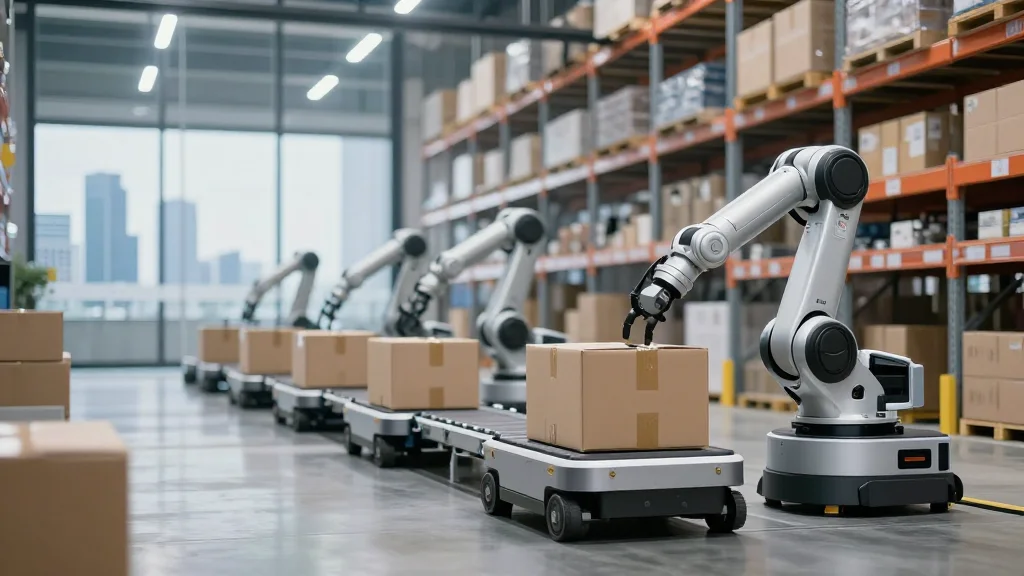
Maersk Opens $147 M Fully Automated E‑commerce Hub in Singapore

Why It Matters
Maersk’s investment signals a broader shift toward hyper‑automated supply chains in the Asia‑Pacific, a region that accounts for more than half of global e‑commerce growth. By embedding AI, robotics and advanced warehouse software into a single hub, the carrier can offer retailers a one‑stop solution that shortens lead times and reduces error‑related costs, potentially reshaping pricing dynamics across the sector. The project also highlights the growing importance of sustainability in logistics. Achieving LEED Platinum and Green Mark Platinum status demonstrates that high‑tech automation can coexist with aggressive environmental targets, setting a benchmark for competitors and encouraging regulators to tighten green standards for large‑scale distribution facilities.
Key Takeaways
- •Maersk invested >200 million Singapore dollars in the new hub
- •World Gateway II spans roughly 100,000 sqm and is 70 % utilized at launch
- •Facility creates ~500 jobs focused on digital and robotic logistics
- •Automation includes multi‑shuttle, automated storage‑retrieval and autonomous robots
- •LEED Platinum and Green Mark Platinum certifications underline sustainability focus
Pulse Analysis
Maersk’s Singapore rollout arrives at a moment when e‑commerce retailers are demanding faster, cheaper and greener fulfilment solutions. Historically, the carrier’s strength lay in ocean freight; this pivot to end‑to‑end, AI‑driven logistics reflects a strategic diversification aimed at capturing higher‑margin value‑added services. The 200 million SGD outlay is modest compared with the multi‑billion‑dollar automation programs of pure‑play logistics firms, yet the strategic placement of the hub near the Tuas Mega Port gives Maersk a unique multimodal advantage that could lower total landed cost for merchants.
The competitive landscape is tightening. DHL’s “Smart Warehouse” network and Amazon’s proprietary fulfilment centres already boast sub‑hour pick times. Maersk’s differentiator is its global freight backbone, which can seamlessly integrate sea, air and land legs under a single digital umbrella. If the Singapore centre can prove that this integration translates into measurable cost savings for clients, it may force rivals to rethink siloed operations and accelerate partnerships with carriers that can offer true end‑to‑end visibility.
Looking ahead, the hub’s success will hinge on three variables: utilisation stability, technology reliability and the ability to attract marquee e‑commerce accounts. A sustained 70 %+ utilisation rate would validate the capacity forecast and justify further roll‑outs in markets like Hong Kong or Jakarta. Conversely, any hiccup in robot coordination or software integration could erode confidence and give competitors a foothold. Investors and industry watchers will therefore monitor order‑throughput data, carbon‑intensity metrics and client win‑loss ratios closely as Maersk seeks to turn this pilot into a template for a new generation of automated, sustainable supply chains across the Asia‑Pacific.
Maersk opens $147 M fully automated e‑commerce hub in Singapore
Comments
Want to join the conversation?
Loading comments...