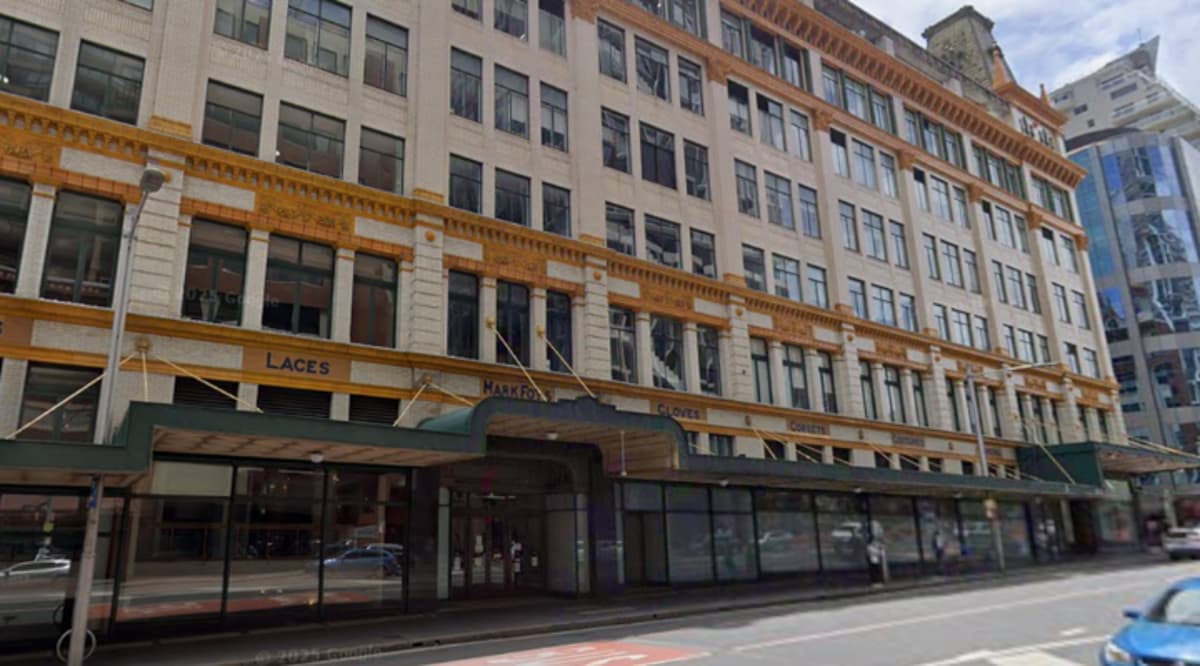
Mark Foy’s Department Store Plots Return After 46 Years
Companies Mentioned
Why It Matters
The digital comeback transforms a beloved heritage name into a competitive online luxury retailer, tapping growing demand for curated, discounted designer goods. It illustrates how legacy brands can monetize nostalgia while reshaping Australia’s e‑commerce landscape.
Key Takeaways
- •Mark Foy’s launches an online boutique after 46‑year hiatus.
- •Partnerships include luxury names Celine, Saint Laurent, Valentino.
- •Offers up to 50% discount on curated designer pieces.
- •Targets consumers seeking European fashion without waitlists.
- •Revives historic brand to compete in Australia’s e‑commerce market.
Pulse Analysis
The closure of iconic department stores in the late 20th century left a cultural void that many retailers are now trying to fill through digital channels. Brands such as Sears, Debenhams and Australia’s own Mark Foy’s have become case studies in how heritage can be repurposed for online shoppers. By leveraging nostalgia and the cachet of a storied name, these revivals aim to differentiate themselves in a crowded e‑commerce landscape where price and convenience dominate. The trend reflects a broader consumer appetite for curated experiences that blend history with modern convenience.
Mark Foy’s re‑enters the market as a ‘digital boutique’ that curates European designer labels while promising discounts of up to 50 percent. The platform will feature exclusive collaborations with houses such as Celine, Jacquemus, Saint Laurent and Valentino, positioning the site as a one‑stop shop for luxury seekers who balk at traditional department‑store waitlists. By eliminating brick‑and‑mortar overhead, the company can pass savings to shoppers and maintain a lean inventory model. The brand’s messaging emphasizes instant access to runway‑inspired pieces at price points that undercut many high‑street competitors.
The revival arrives at a time when Australian consumers are increasingly comfortable buying premium apparel online, a shift accelerated by pandemic‑induced habits and the rise of global platforms like Farfetch and Net-a-Porter. Mark Foy’s heritage could attract older shoppers nostalgic for the original store, while its aggressive discount strategy appeals to younger, price‑sensitive millennials and Gen Z buyers. If the digital boutique can sustain supply chain reliability and authentic brand storytelling, it may set a precedent for other defunct retailers to monetize legacy assets, reshaping the competitive dynamics of Australia’s luxury e‑commerce sector.
Mark Foy’s department store plots return after 46 years
Comments
Want to join the conversation?
Loading comments...