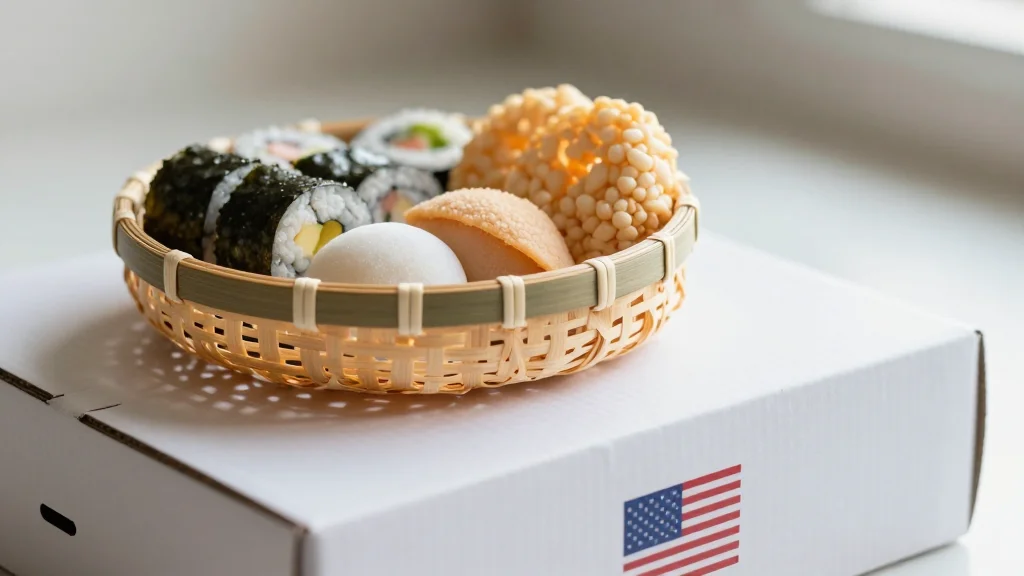
Mitsubishi Shokuhin Partners with Yami to Bring Japanese Snacks to U.S. Consumers

Why It Matters
The Mitsubishi‑Yami partnership illustrates how traditional Japanese distributors are adapting to the digital age by leveraging niche e‑commerce platforms to reach overseas consumers directly. By sidestepping the conventional retail gatekeepers, Japanese brands can maintain higher margins and build brand loyalty among diaspora shoppers who crave authentic products. For the U.S. Asian‑food e‑commerce sector, the deal signals a maturation point: platforms that once relied on fragmented supplier relationships are now attracting heavyweight strategic partners. This could accelerate consolidation, improve supply‑chain reliability, and broaden product assortments, ultimately benefiting consumers with faster delivery and more authentic selections.
Key Takeaways
- •Mitsubishi Shokuhin partners with Yami to list Japanese food and beverage brands on the U.S. platform
- •Mitsubishi Shokuhin generated ¥2.1 trillion ($14 bn) in revenue in its last fiscal year
- •Japanese products already account for >30% of Yami’s sales
- •Yami serves roughly 4 million customers across North America
- •Partnership aims to bypass traditional U.S. retail shelf‑space negotiations
Pulse Analysis
Mitsubishi’s move reflects a broader shift among legacy Asian distributors toward digital‑first strategies. Historically, Japanese food exporters relied on in‑store placement through large retailers like Walmart or Kroger, a process that can take months and erode margins. By aligning with Yami, Mitsubishi taps into a platform that already aggregates demand from a highly engaged, culturally specific consumer base. This reduces time‑to‑market and creates a data‑rich environment where product performance can be tracked in real time, enabling rapid SKU adjustments.
From a competitive standpoint, Yami now gains a differentiated supply chain advantage over rivals such as H Mart’s online arm or smaller niche marketplaces. Access to Mitsubishi’s logistics network could improve fulfillment speed and lower shipping costs, critical factors in the U.S. snack market where price sensitivity and delivery expectations are high. Moreover, the partnership may act as a catalyst for other Japanese firms—like Ajinomoto or Calbee—to explore similar digital collaborations, potentially reshaping the competitive dynamics of the U.S. ethnic food segment.
Looking ahead, the success of this alliance will hinge on consumer adoption metrics and the ability to translate online interest into repeat purchases. If Yami can demonstrate a measurable lift in Japanese‑brand sales, it may attract additional strategic investors, prompting a wave of private‑equity interest in niche ethnic e‑commerce platforms. Conversely, failure to achieve scale could reinforce the notion that traditional retail remains the dominant channel for food products, limiting the upside for future digital partnerships. Either outcome will provide valuable data points for multinational food distributors weighing the trade‑off between digital agility and the entrenched power of brick‑and‑mortar retail.
Mitsubishi Shokuhin Partners with Yami to Bring Japanese Snacks to U.S. Consumers
Comments
Want to join the conversation?
Loading comments...