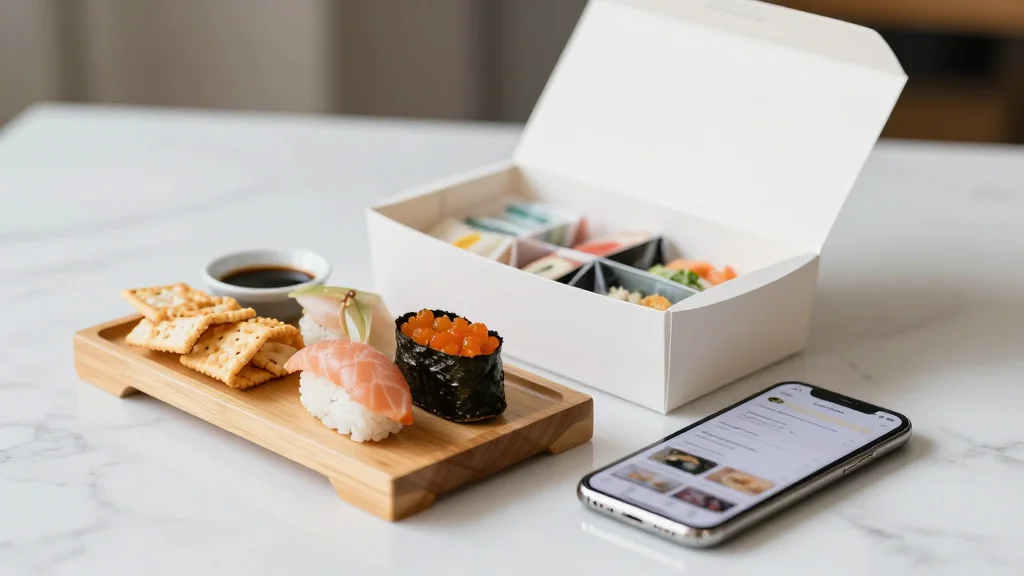
Mitsubishi Shokuhin Partners with Yami to Bring Japanese Snacks to U.S. Shoppers

Why It Matters
The Mitsubishi‑Yami partnership illustrates how legacy industrial conglomerates are leveraging digital marketplaces to reach diaspora consumers directly, bypassing entrenched retail gatekeepers. By integrating Japanese brands into a niche e‑commerce platform, Mitsubishi taps into a growing segment of U.S. shoppers who prioritize authenticity and convenience, potentially reshaping the import‑export dynamics for specialty foods. If successful, the model could inspire other Japanese and Asian producers to partner with similar DTC platforms, accelerating the digitization of food distribution and creating new data‑driven pathways for product development. It also highlights the strategic importance of diaspora demand in sustaining export growth beyond tourism, offering a more stable revenue stream for Japanese food manufacturers.
Key Takeaways
- •Mitsubishi Shokuhin (¥2.1 trn revenue) partners with Yami, a U.S. Asian‑snack e‑commerce platform serving ~4 million customers
- •Deal gives Japanese brands direct online access, bypassing traditional U.S. retail shelf‑space
- •Mitsubishi Corp took Shokuhin private for ¥137.6 bn ($950 m) to accelerate overseas expansion
- •Yami raised $50 m Series B and posted near $100 m revenue within three years of launch
- •Japan’s 2025 tourism boom and record food‑stuff exports provide backdrop for overseas growth
Pulse Analysis
Mitsubishi’s entry into direct‑to‑consumer e‑commerce via Yami marks a decisive shift from its historic role as a wholesale intermediary to a brand‑centric digital distributor. Historically, Japanese food exporters have relied on a tiered supply chain—manufacturers, domestic wholesalers, importers, and finally U.S. retail buyers—each adding cost and latency. By inserting itself at the consumer interface, Mitsubishi can capture higher margins, collect granular purchase data, and respond swiftly to flavor trends that are otherwise invisible in the traditional channel.
The partnership also reflects a broader strategic realignment among Japanese trading houses, which have been under pressure from a shrinking domestic market and a need to diversify revenue streams. Leveraging the Mitsubishi brand’s credibility, Yami can secure more reliable Japanese supply, while Mitsubishi gains a testbed for new product launches without the risk of shelf‑space negotiations. This symbiosis could accelerate the rollout of premium Japanese snack lines that command higher price points in the U.S., especially as consumers increasingly seek authentic, high‑quality Asian foods.
From a market perspective, the alliance could intensify competition among niche grocery platforms such as H Mart’s online service, Weee! and Asian Food Grocer. If Mitsubishi can scale its product catalog quickly, Yami may achieve a critical mass that forces rivals to seek similar partnerships or risk losing market share. Moreover, the data insights generated from direct sales could inform Mitsubishi’s broader export strategy, potentially prompting a replication of the model in Europe or Southeast Asia where diaspora demand is also strong. The success of this venture will hinge on Yami’s ability to maintain fast, reliable logistics and on Mitsubishi’s capacity to adapt its traditionally B2B operations to a consumer‑facing digital environment.
Mitsubishi Shokuhin partners with Yami to bring Japanese snacks to U.S. shoppers
Comments
Want to join the conversation?
Loading comments...