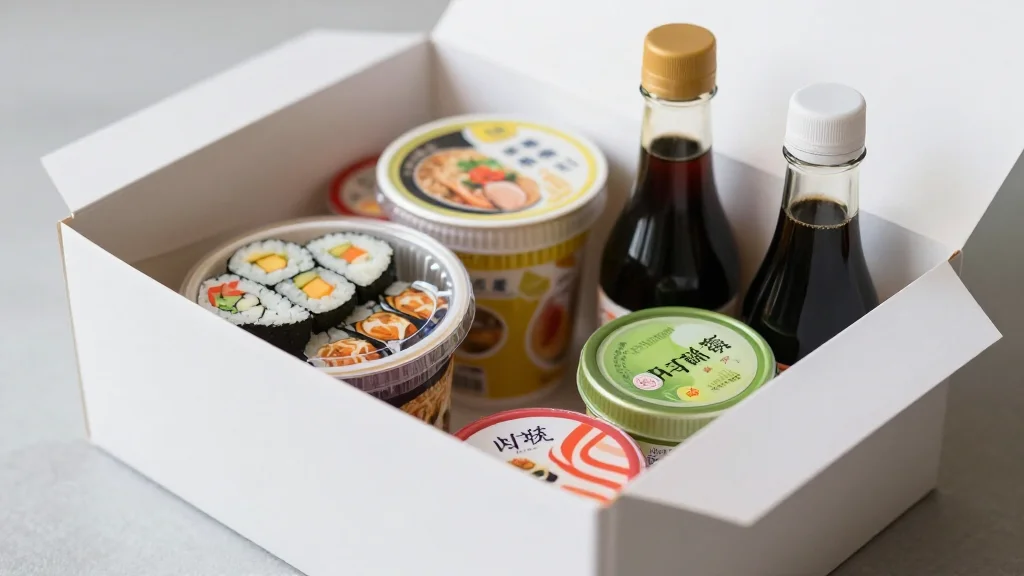
Mitsubishi Shokuhin Partners with Yami to Bring Japanese Snacks to U.S. Shoppers

Why It Matters
The Mitsubishi‑Yami alliance bridges a long‑standing distribution gap for Japanese food brands seeking U.S. market penetration. By bypassing traditional retail gatekeepers, the partnership can accelerate product rollout, reduce time‑to‑shelf, and capture higher margins for manufacturers. For the Asian diaspora, the deal promises a more reliable source of authentic Japanese snacks, reinforcing cultural ties and driving repeat purchases. Beyond the immediate commercial benefits, the collaboration illustrates how legacy Japanese firms are adapting to digital commerce trends. If successful, it could encourage other Japanese exporters to pursue similar direct‑to‑consumer strategies, reshaping the competitive dynamics of the niche online grocery space and prompting U.S. retailers to reconsider their own sourcing models.
Key Takeaways
- •Mitsubishi Shokuhin, with ¥2.1 trillion ($14 bn) revenue, partners with Yami to list more Japanese brands.
- •Yami already generates ~30% of sales from Japanese products and serves roughly 4 million customers.
- •Yami raised $50 million in a Series B round led by Altos Ventures and Balsam Bay Partners.
- •Mitsubishi Shokuhin was taken private for ¥137.6 billion ($950 million) to accelerate overseas growth.
- •Japan’s 2025 tourism boom and record food exports underpin demand for Japanese snacks abroad.
Pulse Analysis
Mitsubishi’s move reflects a strategic pivot from traditional wholesale to a hybrid model that blends physical logistics with digital storefronts. Historically, Japanese food exporters relied on long‑term contracts with U.S. supermarket chains, a process that can take years to negotiate and often limits SKU variety. By aligning with Yami, Mitsubishi sidesteps these constraints, leveraging the platform’s data‑driven insights into consumer preferences to tailor product assortments in real time. This agility is crucial in the fast‑moving snack segment, where trends shift quickly and shelf‑life considerations are paramount.
From a competitive standpoint, the partnership positions Yami against larger players like Amazon’s Whole Foods and niche Asian grocery sites such as H Mart’s online portal. While Amazon offers scale, Yami’s focus on cultural authenticity and its curated brand mix give it a differentiated value proposition. Mitsubishi’s brand portfolio—spanning confectionery, beverages, and ready‑to‑eat meals—adds depth that can attract both diaspora shoppers and mainstream consumers seeking premium Asian flavors. The collaboration also unlocks Mitsubishi’s extensive logistics network, potentially reducing delivery times and costs, which are critical factors in consumer satisfaction for e‑commerce.
Looking ahead, the success of this alliance will hinge on execution. Key performance indicators will include the speed of SKU onboarding, order fulfillment metrics, and repeat purchase rates among Yami’s user base. If the partnership delivers measurable growth, it could trigger a wave of similar deals, prompting other Japanese trading houses to explore direct‑to‑consumer channels. Conversely, any friction in integrating legacy supply chains with Yami’s tech stack could expose operational challenges that other firms will need to address before scaling. Overall, the Mitsubishi‑Yami deal is a litmus test for how traditional Japanese manufacturers can thrive in a digital‑first global marketplace.
Mitsubishi Shokuhin Partners with Yami to Bring Japanese Snacks to U.S. Shoppers
Comments
Want to join the conversation?
Loading comments...