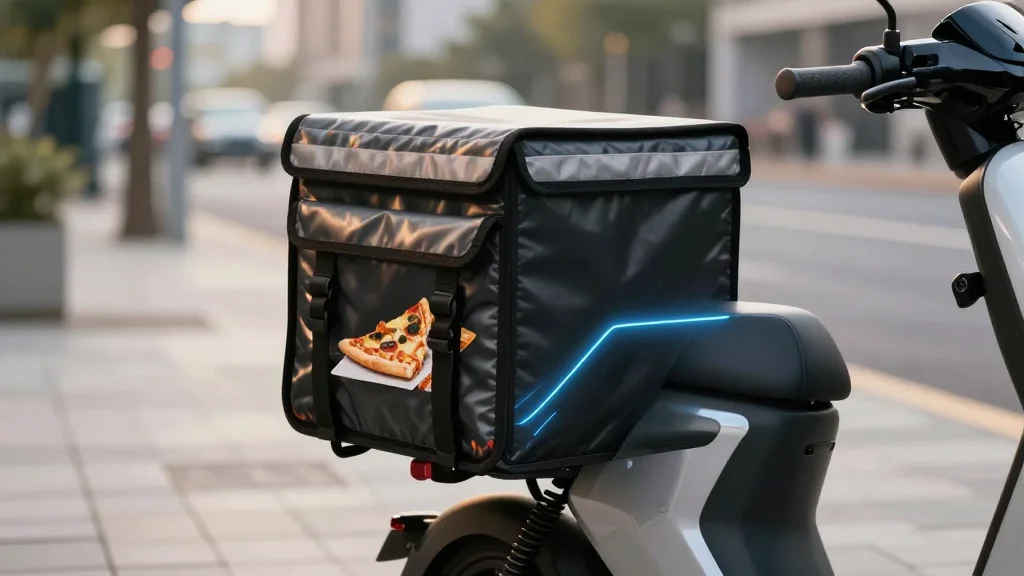
Multiple Linear Regression–Artificial Neural Network (MLR-ANN) Model for Assessing Customer Satisfaction Using SERVQUAL Scale in Online Food Delivery Services
Why It Matters
Understanding which e‑service attributes truly move the needle helps delivery firms allocate resources efficiently, boosting retention and revenue in a fiercely competitive market.
Key Takeaways
- •Efficiency, fulfillment, and compensation boost satisfaction in food delivery
- •System availability, responsiveness, privacy, and contact show negligible impact
- •Compensation emerges as the strongest driver in non‑linear ANN model
- •MLR‑ANN hybrid offers a template for consumer‑behavior analytics
Pulse Analysis
Digital platforms have upended traditional restaurant ordering, making app‑based food delivery a cornerstone of modern consumption. As competition intensifies, firms rely on the SERVQUAL scale—efficiency, system availability, responsiveness, fulfillment, privacy, compensation, and contact—to diagnose the quality of their e‑service. By surveying 216 active users, researchers captured a granular view of how each dimension shapes perceived satisfaction, providing a benchmark for operators seeking to fine‑tune the digital experience.
The study’s dual‑model approach marries the interpretability of Multiple Linear Regression with the pattern‑recognizing power of Artificial Neural Networks. Linear results confirmed that efficiency, fulfillment and compensation correlate positively with satisfaction, while other dimensions appear statistically insignificant. The ANN layer, however, uncovered non‑linear dynamics, flagging compensation as the dominant predictor when interactions and thresholds are considered. This contrast underscores the value of hybrid analytics: linear models surface direct relationships, whereas neural networks reveal hidden complexities that can inform more nuanced strategy.
For platform managers, the findings translate into actionable priorities. Investing in swift order processing, reliable fulfillment, and robust compensation policies—such as refunds or credits for delayed deliveries—can deliver the highest satisfaction returns. Meanwhile, resources allocated to improving system uptime or privacy safeguards may yield diminishing marginal gains unless paired with broader service enhancements. The MLR‑ANN framework also serves as a reusable template for other consumer‑behavior studies, encouraging firms to blend statistical rigor with machine‑learning insight to stay ahead in the fast‑moving food‑delivery ecosystem.
Multiple Linear Regression–Artificial Neural Network (MLR-ANN) Model for Assessing Customer Satisfaction using SERVQUAL Scale in Online Food Delivery Services
Comments
Want to join the conversation?
Loading comments...