Ocado Cost Saving Drive Puts 1,000 Jobs at Risk
•February 9, 2026
0
Companies Mentioned

Why It Matters
The cuts signal mounting pressure on high‑cost automation models and could reshape competitive dynamics in online grocery fulfilment, while also affecting thousands of skilled workers.
Key Takeaways
- •Potentially 1,000 roles cut, about 5% workforce.
- •Redundancies likely target head‑office technology and support functions.
- •Sobeys will close Calgary fulfillment centre, reducing Canadian footprint.
- •End of exclusivity opens Ocado tech to new retail partners.
- •Cost‑saving drive may pressure margins but could improve efficiency.
Pulse Analysis
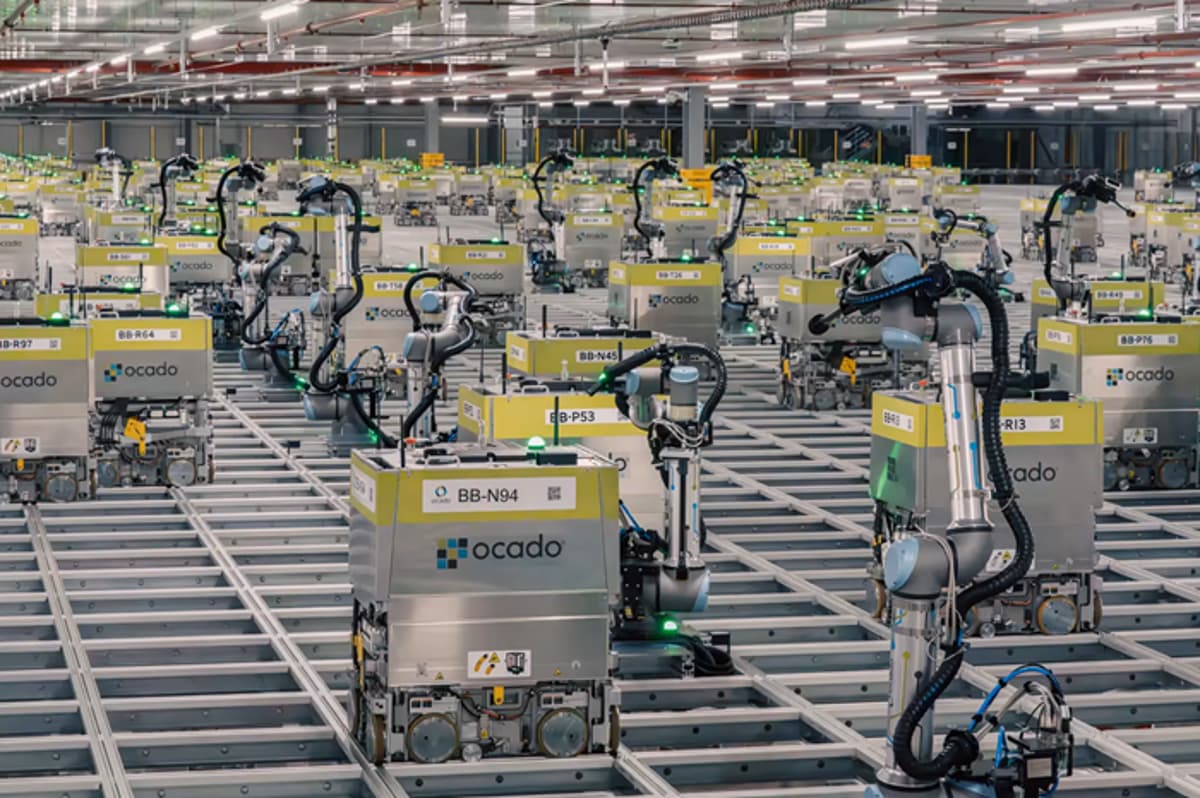
Ocado has built its reputation on cutting‑edge robotic warehouses that promise faster, cheaper e‑commerce fulfilment for grocery retailers. After rapid expansion across Europe and partnerships in North America, the company faced a slowdown in order volumes and higher operating costs, prompting a reassessment of its cost structure. The current job‑cut proposal, targeting roughly a thousand head‑office positions, reflects a strategic shift from growth‑at‑all‑costs to a leaner, profitability‑focused model.
The timing coincides with Sobeys’ decision to shutter its Calgary fulfilment centre, a move that underscores the volatility of demand in the online grocery sector. At the same time, Ocado announced the end of mutual‑exclusivity deals, allowing it to pitch its automation platform to a broader set of retailers. This opens new revenue streams but also requires a more disciplined cost base to remain attractive to potential clients and investors. The anticipated redundancies, while painful, aim to align staffing levels with the revised commercial outlook and preserve cash flow.
Industry observers see Ocado’s actions as a bellwether for the broader automated‑logistics market, where high capital intensity must be balanced against uncertain consumer demand. If the cost‑saving measures succeed, Ocado could emerge with a more scalable cost structure, positioning itself to win contracts from retailers seeking to modernise without the burden of exclusive technology lock‑ins. Conversely, prolonged workforce reductions could erode talent and hamper innovation, a risk that will be closely watched by shareholders and competitors alike.
Ocado cost saving drive puts 1,000 jobs at risk
0
Comments
Want to join the conversation?
Loading comments...