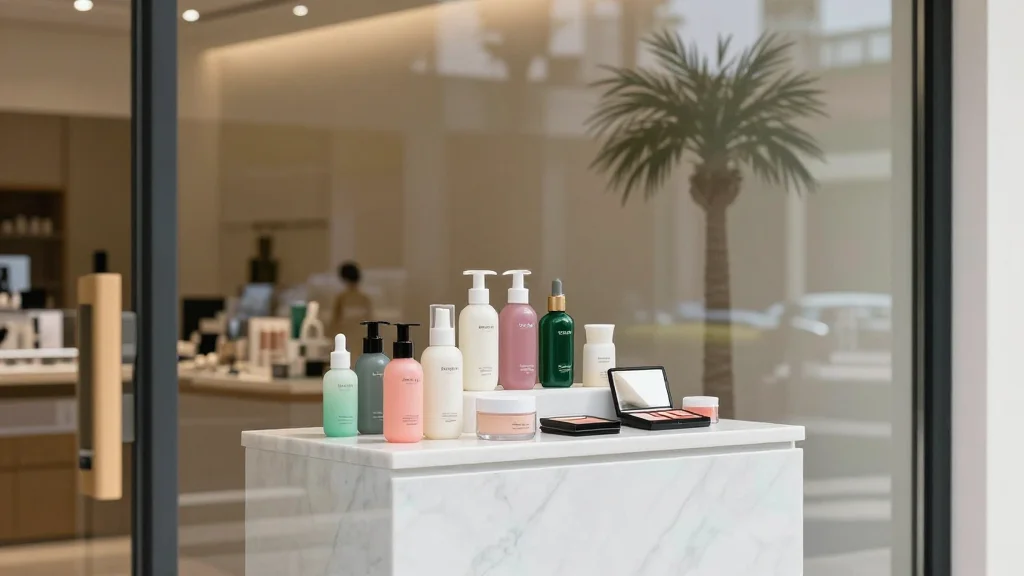
Olive Young Opens 8,600‑sq‑ft K‑Beauty Flagship in Pasadena, Marking First U.S. Store

Companies Mentioned
Why It Matters
Olive Young’s Pasadena flagship illustrates how K‑beauty brands are leveraging experiential retail to capture U.S. market share, moving beyond the pure e‑commerce model that dominated the early wave of Korean cosmetics imports. By offering on‑site diagnostics and a curated product mix, the retailer addresses a growing consumer appetite for personalized, health‑focused beauty solutions, potentially raising the bar for domestic competitors. The store also highlights the economic clout of South Korean cosmetics, which generated $11.4 billion in exports in 2025. As the United States now accounts for more than half of overseas K‑beauty sales, Olive Young’s physical presence could accelerate brand loyalty, increase cross‑selling opportunities, and deepen the integration of Korean wellness concepts into mainstream American beauty routines.
Key Takeaways
- •Olive Young opened an 8,647‑sq‑ft flagship in Pasadena, California, its first U.S. store.
- •The store carries roughly 5,000 SKUs from 400 beauty and wellness brands, including MEDIHEAL and Mise‑en‑scène.
- •South Korean cosmetics exports reached a record $11.4 billion in 2025, making the country the world’s second‑largest exporter.
- •U.S. consumers accounted for 54% of overseas online K‑beauty sales in 2025, up from 18% in 2022.
- •The flagship offers skin‑care diagnostics, scalp analysis and other interactive services modeled on Korean outlets.
Pulse Analysis
Olive Young’s move into brick‑and‑mortar retail in the United States reflects a maturation of the K‑beauty wave. Early growth was driven by low‑cost, high‑efficacy products sold through online channels and amplified by social media. Now, brands are seeking to deepen engagement by replicating the experiential ecosystems that have made Korean stores a cultural touchpoint at home. This shift mirrors a broader industry pattern where digital‑first companies—think Warby Parker and Glossier—are opening physical locations to capture higher‑margin sales and build brand equity.
For U.S. retailers, Olive Young’s entry raises the competitive stakes. Sephora and Ulta have already invested heavily in in‑store technology, but Olive Young’s integrated diagnostics and wellness services could force a recalibration of service standards. The company’s ability to curate a massive SKU count while maintaining a cohesive, experience‑driven layout may set a new benchmark for product discovery, especially among Gen Z shoppers who value both instant gratification and social sharing.
Looking ahead, the success of the Pasadena store will likely dictate the pace of Olive Young’s U.S. rollout. If the model proves profitable, we can expect a cascade of similar concepts in other high‑traffic markets such as New York, Chicago and Seattle. Moreover, the data collected from in‑store diagnostics could feed into Olive Young’s e‑commerce platform, creating a feedback loop that personalizes online recommendations based on physical interactions. This omnichannel synergy could accelerate K‑beauty’s penetration beyond niche segments, reshaping the U.S. beauty landscape for years to come.
Olive Young Opens 8,600‑sq‑ft K‑Beauty Flagship in Pasadena, Marking First U.S. Store
Comments
Want to join the conversation?
Loading comments...