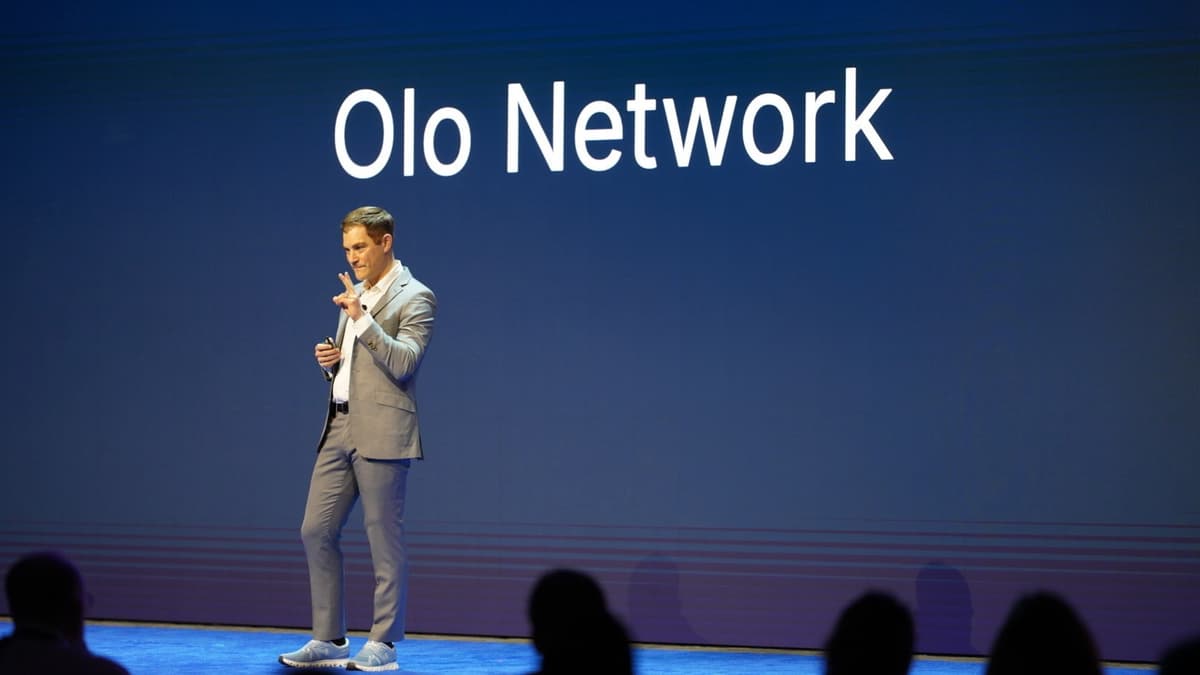
Olo Launches First Consumer-Facing Digital Ordering App
•March 4, 2026
0
Companies Mentioned
Why It Matters
The zero‑commission model gives restaurants higher margins and direct access to valuable customer data, potentially reshaping the economics of digital food delivery. It also challenges entrenched players like DoorDash, accelerating the shift toward operator‑controlled ordering ecosystems.
Key Takeaways
- •Olo launches consumer‑facing ordering app
- •Zero commission for restaurants, data ownership retained
- •Leverages 40 million Olo Accounts for discovery
- •Competes with DoorDash, reduces 15‑30% fees
- •Integrates with existing Olo infrastructure for operators
Pulse Analysis
The restaurant industry has become increasingly dependent on digital ordering channels, with third‑party platforms such as DoorDash, Uber Eats, and Grubhub commanding 15‑30 percent of each order as commission. Those fees erode restaurant margins and limit direct interaction with diners, prompting many operators to explore first‑party solutions that require significant technology investment and ongoing maintenance. Olo’s entry into the consumer‑facing space offers a hybrid approach: a shared marketplace that preserves the convenience of a multi‑brand app while eliminating the costly commission structure that has long burdened operators.
At the heart of Olo Network is the password‑free Olo Accounts system, which already boasts roughly 40 million users. This single‑sign‑on experience lets customers pin favorite eateries, view personalized menus, and place orders across multiple brands without re‑entering credentials. For restaurants, the platform provides full control over menu content, branding, and, crucially, guest data—including payment details, delivery addresses, and dietary preferences. By owning this data, operators can tailor promotions, improve repeat purchase rates, and build loyalty programs that were previously the domain of third‑party aggregators.
The launch signals a potential shift in the competitive dynamics of food delivery. As more operators adopt Olo’s zero‑commission model, the bargaining power of traditional aggregators may weaken, forcing them to reconsider fee structures or enhance value‑added services. Moreover, the network effect created by a shared consumer base could accelerate brand discovery for smaller restaurants lacking marketing budgets. Analysts expect that if Olo can scale its user base and maintain seamless integration with existing POS systems, it could become a pivotal catalyst for a broader industry move toward data‑centric, operator‑owned digital ordering ecosystems.
Olo launches first consumer-facing digital ordering app
0
Comments
Want to join the conversation?
Loading comments...