Omnichannel Grocery: How Connected Retail Experiences Can Unlock Value Across Customer Touchpoints
•February 4, 2026
0
Companies Mentioned


Why It Matters
By unifying ecommerce, in‑store tech, fulfillment and media, Instacart gives grocers a scalable way to meet rising consumer expectations and unlock new revenue streams, reshaping competitive dynamics in the grocery sector.
Key Takeaways
- •Hybrid shoppers now default, driving omnichannel demand.
- •Instacart reports 30‑35% LTV increase for true omnichannel.
- •Storefront Pro delivers double‑digit growth for adopting retailers.
- •Caper Carts boost basket size, 40% coupon redemption.
- •AI suite enables real‑time personalization while protecting data.
Pulse Analysis
The grocery landscape is undergoing a rapid transformation as consumers expect seamless experiences across online and brick‑and‑mortar channels. This hybrid shopper model forces retailers to abandon siloed strategies and adopt integrated technology stacks that can deliver personalized offers, digital payments, and real‑time inventory visibility. Companies that fail to bridge this gap risk losing relevance, while those that succeed can capture higher spend and stronger loyalty.
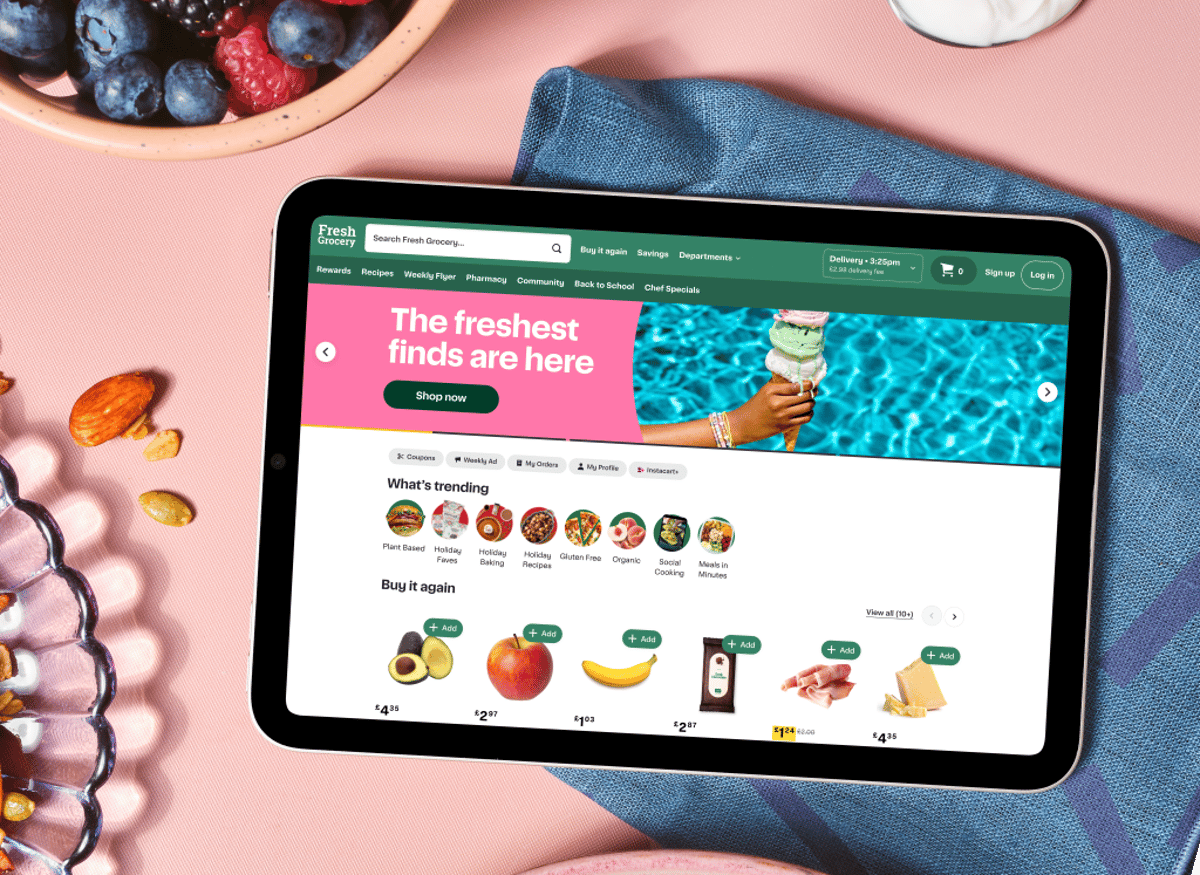
Instacart’s response is an all‑in‑one ecosystem that combines its Storefront Pro ecommerce platform, Connect API fulfillment tools, and AI‑enhanced in‑store solutions like Caper Carts. Retailers that have migrated to Storefront Pro report double‑digit revenue lifts, and Caper Carts have driven measurable gains in basket size and coupon redemption, creating a new retail media surface at the point of purchase. By embedding its retail media network within the same platform, Instacart offers brands precise targeting and real‑time measurement, turning ad spend into a profit center that can subsidize digital experiences.
Beyond the immediate operational benefits, Instacart is leveraging generative AI to accelerate innovation across five core areas, from shopping assistants to shelf intelligence. This AI layer not only deepens personalization but also safeguards retailer data, addressing a key barrier to adoption. As the model proves adaptable across markets—from the U.S. to Europe and Australia—global grocers see a pathway to leapfrog legacy systems, accelerate time‑to‑market, and build a resilient, data‑driven omnichannel operation. The convergence of AI, retail media, and unified commerce is set to become the new growth engine for grocery retailers worldwide.
Omnichannel grocery: How connected retail experiences can unlock value across customer touchpoints
0
Comments
Want to join the conversation?
Loading comments...