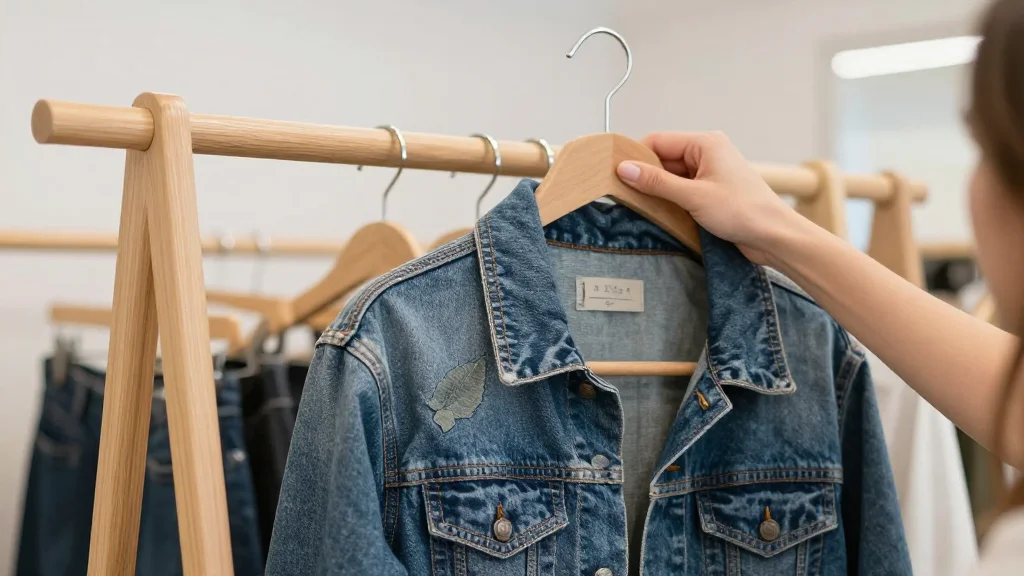
Pacsun Rolls Out PS Vintage Resale Shops in 16 Stores, Targeting Gen Z Circular Fashion

Companies Mentioned
Why It Matters
The PS Vintage rollout signals a concrete step toward integrating circular fashion into mainstream retail. By situating resale in physical stores, Pacsun addresses two consumer demands simultaneously: the desire for sustainable, unique apparel and the renewed appetite for in‑person shopping experiences. If successful, the model could accelerate the mainstreaming of second‑hand commerce, prompting more brands to allocate shelf space to curated vintage, thereby expanding the resale market’s share of total apparel sales. Moreover, the initiative underscores the strategic importance of Gen Z as a driver of retail innovation. Their preference for individuality and sustainability is reshaping inventory strategies, supply chains, and store layouts. Pacsun’s experiment provides a real‑time case study of how retailers can adapt to these preferences without sacrificing profitability.
Key Takeaways
- •Pacsun launched PS Vintage in 16 stores on April 11, 2026.
- •The program partners with Springy, an online second‑hand retailer.
- •PS Vintage offers thousands of curated pre‑loved items, refreshed continuously.
- •Richard Cox, Pacsun’s Chief Merchandising Officer, highlighted Gen Z’s demand for individuality and sustainability.
- •Expansion to additional stores is planned later in 2026, though dates remain undisclosed.
Pulse Analysis
Pacsun’s decision to bring resale into its brick‑and‑mortar footprint reflects a broader industry pivot: the convergence of sustainability and experiential retail. Historically, resale has thrived online because of low overhead and the ability to aggregate disparate inventory. By moving the model into stores, Pacsun tackles a key friction point—consumer hesitation to buy second‑hand without seeing the item first. This could boost conversion rates and average basket size, especially among Gen Z shoppers who value tactile validation.
The partnership with Springy is also strategic. Springy’s expertise in sourcing and authenticating vintage pieces mitigates the risk of quality issues that have plagued some in‑store resale pilots. Pacsun, meanwhile, leverages its existing real‑estate and brand cachet to attract foot traffic. If the pilot demonstrates strong sell‑through and repeat visits, it may encourage other mid‑tier retailers to adopt similar hybrid models, potentially reshaping the retail real‑estate calculus where a portion of floor space is dedicated to curated resale.
However, challenges remain. Managing inventory turnover for unique items is complex; unsold pieces can quickly become dead stock, eroding margins. Additionally, the success of the program hinges on accurate demand forecasting for niche vintage styles—a skill set that differs from traditional apparel planning. Pacsun’s ability to integrate data from its Youth Report with real‑time sales signals will be critical. Should the retailer navigate these hurdles, PS Vintage could become a blueprint for scaling circular fashion within the conventional retail ecosystem.
Pacsun rolls out PS Vintage resale shops in 16 stores, targeting Gen Z circular fashion
Comments
Want to join the conversation?
Loading comments...