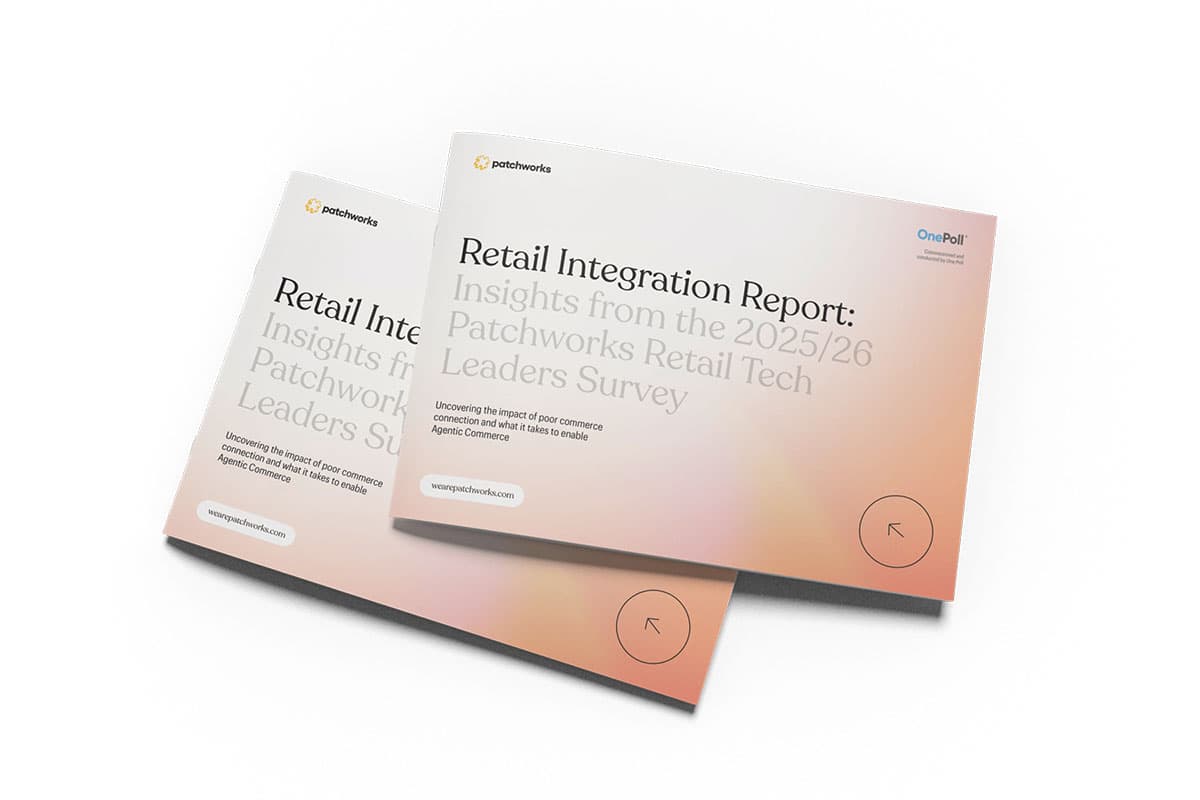
Retailers Stuck in Rebuild Loop as 31% Cling to Custom Integrations
Why It Matters
Legacy custom integrations generate costly rebuild cycles and limit scalability, threatening retailers’ ability to compete in an AI‑enabled market.
Key Takeaways
- •31% of UK retailers rely on bespoke integrations.
- •Only 13% have adopted an iPaaS solution.
- •14% lose over £500k ($635k) yearly due to integration failures.
- •48% use temporary workarounds during peak trading.
- •Flexibility now tops cost reduction as integration priority.
Pulse Analysis
The persistence of custom‑built integrations in UK retail reflects a deeper tension between control and agility. While in‑house development once promised tailored functionality, it now creates a maintenance burden that drains engineering talent and inflates operating costs. The Patchworks report quantifies this strain: more than half of retailers experience financial loss, and a sizable minority incur six‑figure dollar deficits each year. These figures illustrate how point‑to‑point connections have become a hidden liability, especially during high‑traffic events where system fragility translates directly into lost sales.
Conversely, Integration Platform as a Service (iPaaS) offers a modular alternative that aligns with the industry’s growing emphasis on flexibility. Early adopters report faster deployment cycles, reduced reliance on specialized developers, and greater resilience during traffic spikes. As AI and agentic commerce reshape the customer journey—automating recommendations, dynamic pricing, and real‑time inventory checks—retailers need integration layers that can evolve alongside their tech stacks. iPaaS solutions provide the API‑centric, cloud‑native architecture required to support rapid experimentation without the overhead of constant code rewrites.
Strategically, the data signals a shift from treating integration as a back‑office function to elevating it to a board‑level growth priority. Executives must weigh the hidden costs of legacy builds against the strategic advantage of a scalable, adaptable integration ecosystem. Investing in iPaaS not only curtails immediate financial losses but also positions retailers to capitalize on AI‑driven opportunities, improve customer experience, and sustain long‑term competitive advantage. Companies that accelerate this transition are likely to outpace peers in both operational efficiency and market responsiveness.
Retailers stuck in rebuild loop as 31% cling to custom integrations
Comments
Want to join the conversation?
Loading comments...