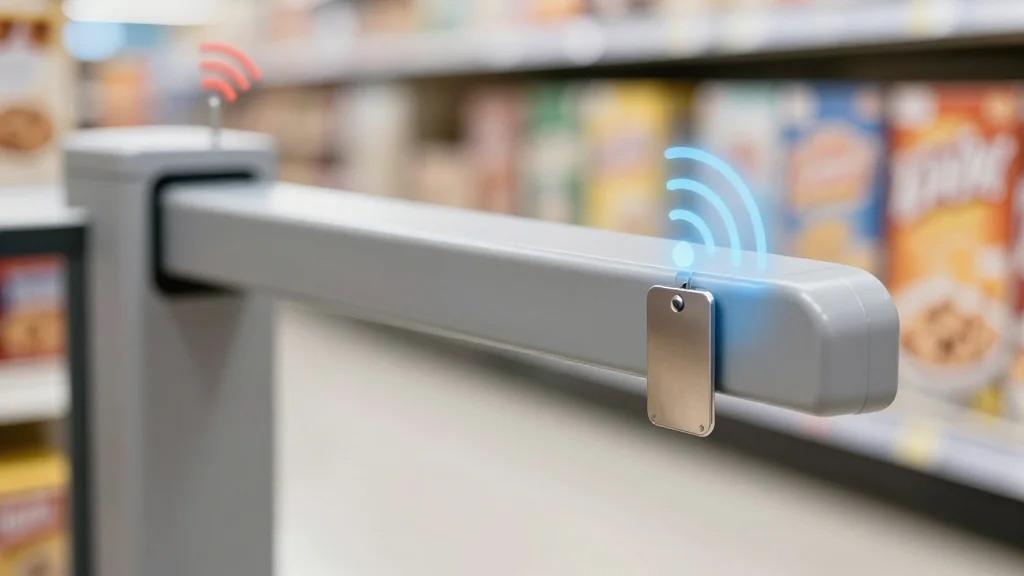
RF vs RFID: Why Retailers Are Moving Beyond Traditional EAS
Why It Matters
RFID transforms loss prevention from a reactive alarm system into a data‑driven intelligence platform, boosting profitability and shopper experience. The technology’s scalability means even mid‑tier retailers can gain actionable shrink insights without massive capital outlay.
Key Takeaways
- •RFID adds item-level identification to traditional RF alarms
- •Hybrid RF/RFID systems enable phased adoption across product lines
- •Real-time theft data drives proactive loss‑prevention strategies
- •Tag costs have fallen, making RFID viable for all retailers
- •RFID improves shopper flow while reducing overall shrinkage
Pulse Analysis
Traditional RF‑based EAS has served retailers for decades, but its binary alarm model offers little insight beyond "something left the store." As organized retail crime intensifies and margins tighten, merchants need more granular visibility. RFID builds on the same radio‑frequency principles yet embeds a digital identifier in each tag, turning every product into a data point. This shift enables stores to pinpoint exactly which SKU was taken, when, and in which zone, converting loss events into actionable intelligence.
The operational upside of RFID extends beyond theft detection. Real‑time inventory visibility supports replenishment, enables dynamic pricing, and streamlines checkout by allowing automatic item recognition. Because tag prices have dropped to under a dollar for many categories, the technology is no longer confined to luxury goods. Retailers can start with high‑risk or high‑margin items and expand gradually, leveraging modular readers that coexist with existing RF antennas. The hybrid model preserves the proven reliability of RF while unlocking the analytical depth of RFID, delivering a cost‑effective path to full‑scale deployment.
Strategically, adopting RFID positions retailers to anticipate loss patterns rather than merely react. By aggregating theft data across stores, companies can identify hot spots, adjust staffing, and refine store layouts to deter organized theft. Moreover, the seamless shopper experience—no extra deactivation steps at the door—enhances brand perception. As the ecosystem matures, integration with AI‑driven analytics will further automate loss‑prevention decisions, making RFID not just a security upgrade but a core component of the modern retail operating system.
RF vs RFID: Why retailers are moving beyond traditional EAS
Comments
Want to join the conversation?
Loading comments...