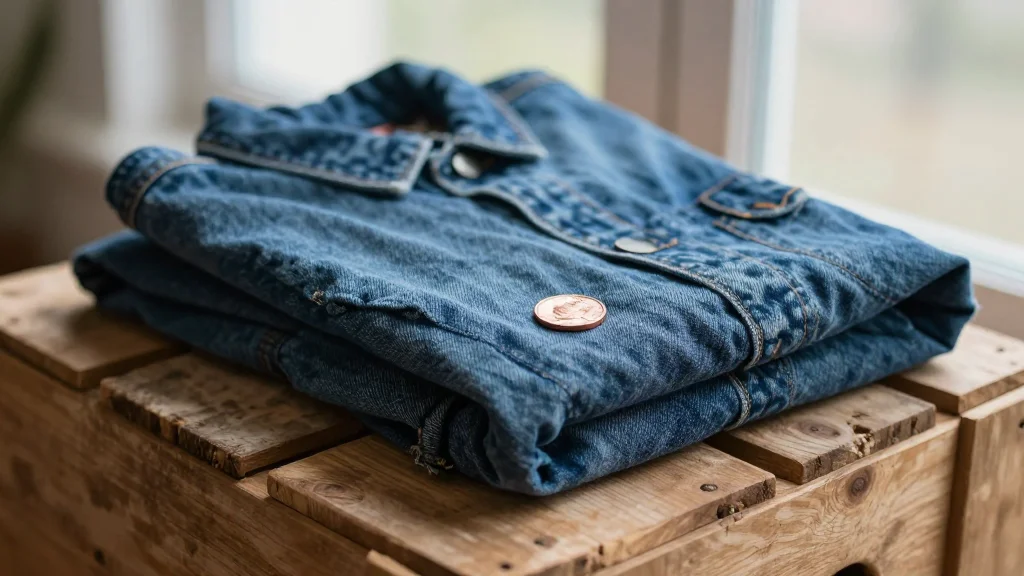
Secondhand Apparel Growing Twice as Fast as Rest of Market
Why It Matters
A booming resale market forces traditional retailers to rethink inventory and sustainability strategies, while opening new revenue streams for investors focused on circular fashion. The acceleration signals a structural change in consumer purchasing habits that could redefine the apparel industry's growth trajectory.
Key Takeaways
- •Global secondhand apparel market projected at $393 bn by 2030
- •Growth rate twice that of overall apparel market
- •Resale flywheel shifts consumer mindset to future value
- •ThredUp research drives investor focus on circular fashion
Pulse Analysis
The surge in secondhand clothing is more than a niche fad; it represents a macro‑level pivot toward circular consumption. Millennials and Gen Z shoppers, motivated by climate concerns and price sensitivity, are turning to resale platforms for both everyday wear and premium pieces. This behavioral shift is amplified by digital marketplaces that streamline authentication, logistics, and pricing, making thrift shopping as convenient as buying new. As a result, the resale sector is capturing market share from traditional retailers at an unprecedented rate.
For established apparel brands, the rise of resale forces a strategic reassessment of product lifecycles. Companies are experimenting with buy‑back programs, refurbishing services, and dedicated resale lines to retain customers and capture secondary‑market margins. Investors are rewarding firms that embed circularity into their business models, evident in rising valuations for platforms like ThredUp, Poshmark, and emerging AI‑driven resale startups. Supply‑chain partners are also adapting, offering reverse‑logistics solutions and sustainable material sourcing to meet the growing demand for pre‑owned garments.
Despite the optimism, challenges remain. Authenticity verification, inventory management, and price volatility can erode margins if not handled efficiently. Moreover, the environmental benefits hinge on scaling operations without excessive transportation emissions. Brands that successfully integrate resale into their core offerings—while maintaining brand integrity and operational efficiency—are poised to dominate the next decade of apparel growth, turning what was once a secondary market into a primary revenue engine.
Secondhand apparel growing twice as fast as rest of market
Comments
Want to join the conversation?
Loading comments...