The approval secures operational continuity for a major Canadian fashion tech player while limiting creditor recoveries, highlighting the tension between founder control and creditor rights in distressed retail deals.
The Quebec court’s endorsement of the Atallah brothers’ $78 million bid marks a rare instance where a founder‑led buyout triumphs over creditor pressure in the luxury e‑commerce sector. After entering insolvency in September and facing a $113 million debt load, Ssense secured interim financing and fought a forced sale under the Companies’ Creditors Arrangement Act. By agreeing to pay $58.5 million in cash and assume selected liabilities, the founders not only preserve the brand’s high‑end fashion inventory but also signal confidence in a market still reeling from shifting consumer habits and higher interest rates.
For creditors, the ruling underscores the limited leverage they possess when a court prioritizes business continuity over immediate liquidation. While secured lenders—including BMO, RBC, and JPMorgan—argued that a sale would maximize recoveries, the judge favored a plan that retains approximately 660 regular employees and 100 on‑call staff, preserving jobs and supplier relationships. Unsecured creditors and key suppliers largely supported the buyback, anticipating better long‑term outcomes than a rapid asset dump would deliver. The decision also sets a precedent for future CCAA cases where operational viability may outweigh pure financial calculus.
Industry observers see Ssense’s resurgence as a bellwether for the broader North American luxury online market. The brand, once valued at $5 billion, has grappled with the loss of the de minimis shipping exemption and a slowdown in high‑end streetwear demand. By staying afloat under founder control, Ssense can pivot its fulfillment strategy and potentially attract new equity partners, reinforcing Canada’s position in fashion tech. The case illustrates how strategic buyouts can mitigate distress, offering a template for other niche retailers navigating post‑pandemic financial headwinds.
Montréal luxury e-commerce platform Ssense will return to the hands of its founders after an unsuccessful attempt by its lenders to block a deal.
The bid includes plans for the business’ continued operation, a cash payment of $58.5 million, and assuming some liabilities.
In a ruling on Feb. 4, a Superior Court of Québec judge dismissed a request from Ssense’s main lenders to force an asset sale of the embattled company. Instead, the court affirmed that a buyback bid from Ssense’s founders, valued at $78 million, should be granted. According to The Business of Fashion, Ssense’s executive team told staff the same day that this would allow Ssense to continue operations, pending regulatory approval.
Ssense entered insolvency proceedings in September, after its lenders sought a quick sale amid a cash crunch at the company. The company reached an agreement with its lenders to continue operations as it underwent a sale and investment solicitation process.
Ssense’s lenders are the Bank of Montreal, the Royal Bank of Canada, Scotiabank, National Bank of Canada, and JPMorgan Chase, which are owed more than $113 million collectively. Investissement Québec, which had lent Ssense$21.3 million to automate its fulfillment centre, also contested the founder-led deal.
In January, the company announced that the winning bid was from brothers and co-founders Rami Atallah, Bassel Atallah, and Firas Atallah alongside a “leading Canadian multi-family office,” pending court and regulatory approvals.
According to the new ruling, the founders’ initial $20-million bid in December was deemed inadequate by the court-appointed monitor. Their second bid, valued at $78 million by the court monitor, included plans for continued operations of the business, a cash payment of $58.5 million, and assuming certain liabilities. The founders also told the court they planned to retain “approximately 660 regular employees and 100 occasional, on-call employees.”
But a group of Ssense lenders, including Bank of Montreal and Royal Bank of Canada, tried to block the deal and filed a notice of contestation. The lenders instead wanted the judge to order Ssense’s assets liquidated, arguing that the founder-led buyback would “result in a significantly lower economic outcome.”
The ruling also noted that though all of Ssense’s secured creditors opposed the buyback bid, several of the debtors’ suppliers and unsecured creditors supported the deal.
RELATED: Ssense founders’ bid to buy back company successful, pending approvals
Founded by the Atallah brothers in 2003, Ssense is an e-commerce retailer specializing in designer fashion and high-end streetwear, along with editorial content. Valued at $5 billion in 2021, the company’s sales fell between 2023 and 2025 as consumer luxury habits changed and interest rates rose, according to court filings.
Retail headwinds increased in 2025 as Ssense faced the elimination of the de minimis exemption, which made packages under $800 USD free to ship into the US. In September, Ssense had assets of $387 million against liabilities of $371 million, including loans to lenders and vacation pay for employees.
Liquidity issues had put Ssense and its lenders at loggerheads. After rejecting a refinancing plan put forward by Ssense in July 2025, lenders applied to place Ssense under the protection of the Companies’ Creditors Arrangement Act (CCAA) and force a sale without its consent in late August.
In response, Ssense said it was “deeply disappointed” and filed its own CCAA application. In September, the company and its lenders reached an agreement that would give Ssense nearly $40 million in interim financing while it underwent a court-supervised process to sell or find other funding.
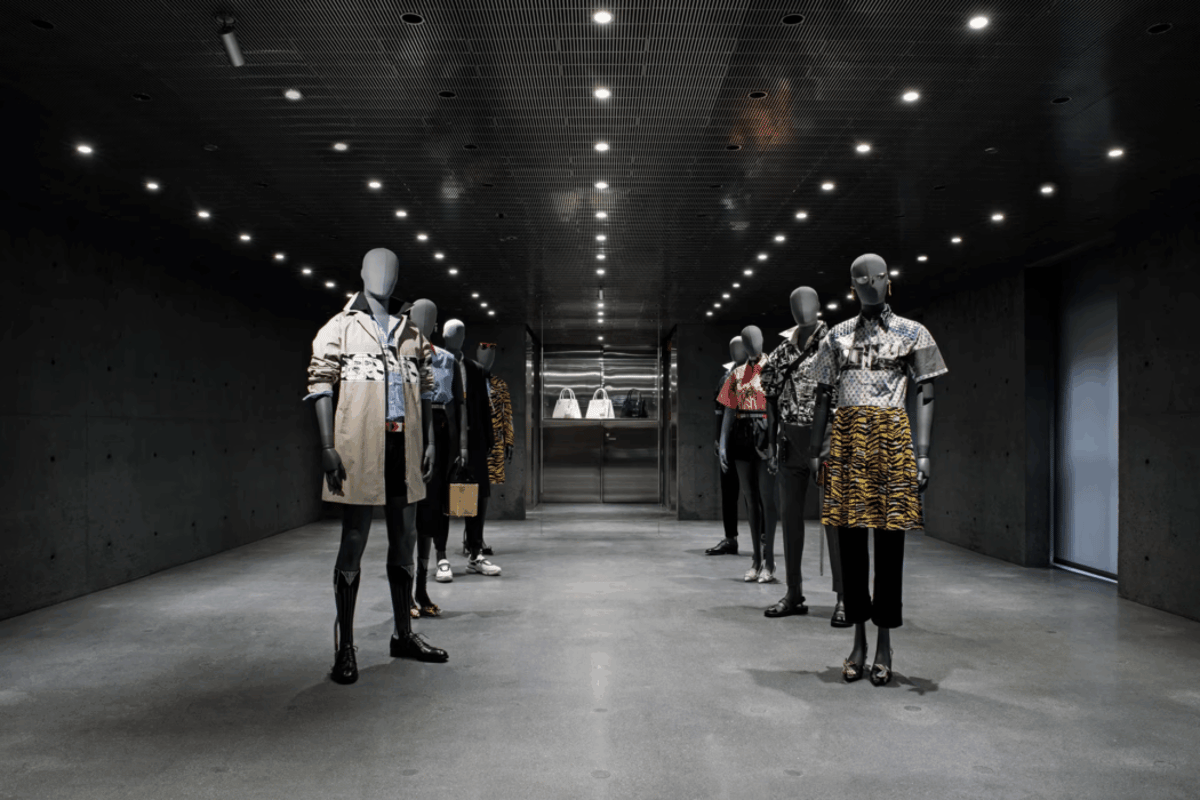
Feature image courtesy Ssense.
The post Ssense founders can buy back company, court rules first appeared on BetaKit.
Comments
Want to join the conversation?
Loading comments...